 IITA – Bénin Campus, 08 BP 0932 Tri Postal, Cotonou – République du Bénin
 @Taat_Africa
 TAAT Africa
 @taatafrica
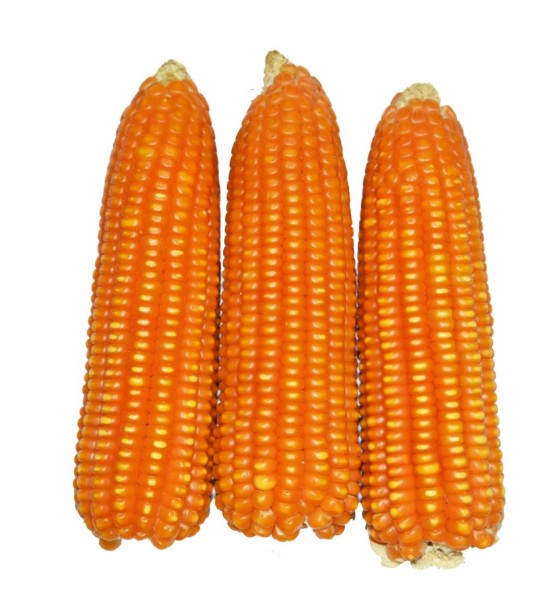
Nigeria: How TAAT is Reducing Post-Harvest Losses through Innovation and Stronger Maize Value Chains
Maize remains one of Africa’s most important staple crops, serving as a vital source of carbohydrates, protein, vitamins, and minerals for millions of households. Yet, despite its importance, a significant portion of maize produced across Sub-Saharan Africa never reaches the table.
In Nigeria alone, an estimated 20–30% of maize is lost after harvest due to poor handling, inadequate drying, inefficient storage systems, and pest infestations. Compounding this challenge is the widespread risk of aflatoxin contamination—a dangerous toxin produced by Aspergillus flavus—posing serious health risks and limiting market access.
Addressing these challenges is critical not only for improving food security but also for increasing farmer incomes and strengthening agricultural value chains.
Building Capacity to Tackle Post-Harvest Losses
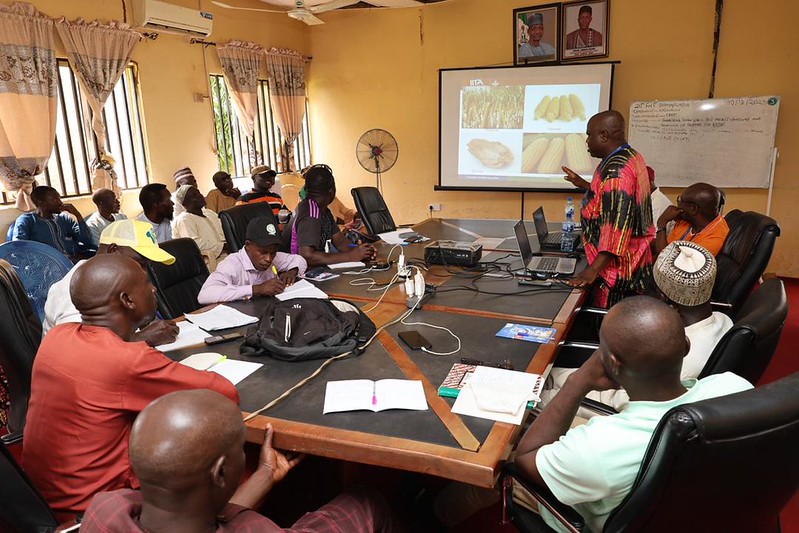
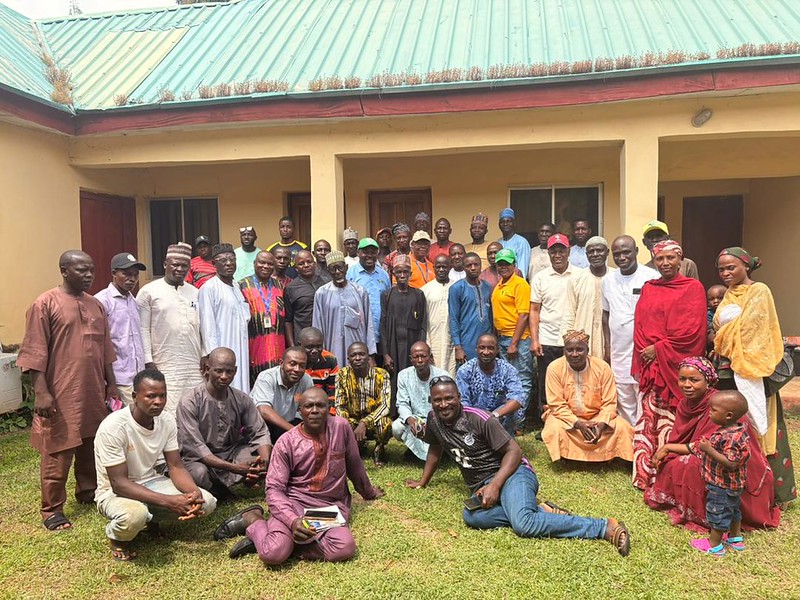
To respond to these challenges, the Technologies for African Agricultural Transformation (TAAT) and the International Institute of Tropical Agriculture (IITA), in partnership with the Sasakawa Africa Association (SAA), organised a two-day training workshop on the Management of Post-Harvest Losses and Aflatoxin in Maize.
Held from 9–10 October 2025 in Lafia, the training brought together farmers, extension agents, and key stakeholders to build practical skills in post-harvest management.
The initiative forms part of broader efforts under two Policy and Human Resource Development Grant (PHRDG) projects focused on advancing evidence-based regenerative agriculture in Africa and improving productivity through climate-smart practices.
A Hands-On Approach to Learning
The training adopted a participatory and practical approach, ensuring that participants not only understood the concepts but also gained hands-on experience.
Key learning methods included:
Expert-led presentations on grain handling, storage, and aflatoxin control; Demonstrations on drying, shelling, and hermetic storage technologies such as PICS bags; Field visits to model farms and storage facilities; Group discussions to identify local challenges and solutions; and Interactive Q&A sessions to encourage knowledge exchange
Participants were also introduced to innovative tools such as the GrainMate Moisture Meter, which helps farmers determine safe moisture levels before storage.
Promoting Best Practices for Safer, Higher-Quality Maize
A major focus of the training was on practical, proven solutions to reduce losses and improve grain quality.
Key Best Practices Highlighted were Timely harvesting at full maturity to prevent contamination; Proper drying to safe moisture levels (12–14%) using tarpaulins or dryers; Careful shelling and cleaning to minimise grain damage; Hermetic storage systems to protect against pests and moisture; and Improved packaging and grading to enhance market value
Participants also learned about aflatoxin prevention, including the use of biological control solutions such as Aflasafe and rapid testing methods to ensure food safety.
Strengthening Knowledge and Driving Adoption
A total of 43 participants (including 5 women) were trained, representing multiple local government areas. The training significantly improved participants’ knowledge of Post-harvest handling techniques; Grain quality standards for local and export markets; Pest and disease management; and Safe storage technologies.
Importantly, participants committed to cascading the knowledge within their communities—ensuring that the impact extends far beyond the training room.
Challenges Along the Value Chain
Despite the progress made, several systemic challenges remain limited access to affordable drying, storage, and testing technologies, Inadequate storage infrastructure in rural communities, Financial constraints limiting the adoption of improved practices, Low awareness of aflatoxin risks among farmers, and the need for continuous technical support and mentorship
These constraints highlight the importance of sustained investment and coordinated action across the maize value chain.
Recommendations for Scaling Impact
To build on the gains from the training, stakeholders identified several priority actions, which include establishing community-level storage and processing facilities; improving access to affordable post-harvest technologies through partnerships; developing local grain aggregation and testing centres; strengthening collaboration between farmers, cooperatives, and private sector actors; and providing ongoing training and mentorship to support adoption
Lessons from the Field
The training reinforced several critical lessons for farmers and extension agents, and these are: Harvesting during dry conditions reduces contamination risks; Proper drying is essential to prevent mould and aflatoxin; Hermetic storage significantly reduces pest damage; Maintaining grain quality improves market value and income; and Knowledge sharing is key to scaling impact across communities
A Pathway to Stronger Food Systems
By equipping farmers with the tools and knowledge to reduce post-harvest losses, this initiative contributes to a broader transformation of Nigeria’s maize value chain.
Improved practices not only reduce waste but also:
Enhance food safety
Increase farmer incomes
Strengthen resilience to climate and market shocks
As stakeholders continue to collaborate, the focus remains on building a system that preserves, values, and consumes more of what farmers produce.
Conclusion
The training on post-harvest management and aflatoxin control marks a significant step toward reducing losses and improving maize quality in Nigeria.
With sustained capacity building, stronger partnerships, and increased access to technology, farmers can unlock greater value from their harvests and contribute to a more food-secure future.
As emphasised throughout the training, the message is simple but powerful:
“Dry it well, store it safe, sell it better.”
Recent Stories
Related Stories
- Liberia Hosts Seed Sector Investment Roundtable to Unlock Agricultural Transformation
- Jigawa State Delegation explores scale-up Opportunities with TAAT
- GHANA: TAAT Engages Stakeholders on Innovation Platform Model
- TAAT Expands Toothpick Technology for Striga Biocontrol to Uganda and Beyond
- South Sudan: TAAT facilitates workshop on Strengthening Emergency Preparedness and Response to Food Crisis