 IITA – Bénin Campus, 08 BP 0932 Tri Postal, Cotonou – République du Bénin
 @Taat_Africa
 TAAT Africa
 @taatafrica
Gabon: TAAT and Partners Reinforce Cassava and Plantain Seed Systems
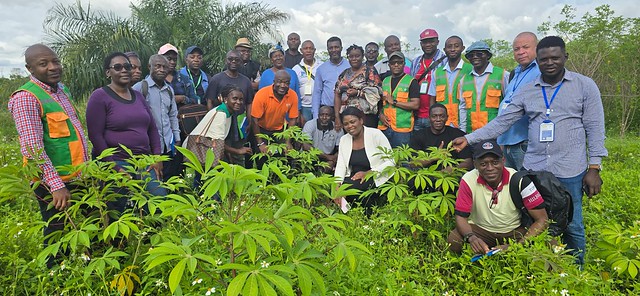
With sights on strengthening cassava and plantain seed systems in Gabon, the Technologies for African Agricultural Transformation (TAAT) programme organised a series of high-level training sessions for agricultural officers in the country.
This series of capacity-building workshops, aimed at establishing a sustainable, efficient, and traceable seed system for these two strategic crops, took place from October 26 to November 5, 2025, in Libreville, bringing together 25 senior officials from the Ministry of Agriculture, followed by 25 departmental agricultural service heads.
Organised by TAAT in collaboration with the International Institute of Tropical Agriculture (IITA), the Institute of Agronomic and Forestry Research (IRAF) and the General Directorate of Agriculture (DGA), the workshops enhanced the participants’ technical, regulatory and digital skills for improved management of the production, monitoring and certification systems for cassava and plantain seeds.
These trainings, held under the Support Project for the Graine Programme – Phase 1 (PAPG1), aim to strengthen institutional and human capacities along the cassava and plantain value chains, thereby promoting effective and sustainable governance of the national seed system.
The modules and teaching materials were co-developed by IITA and IRAF, integrating scientific, regulatory and practical aspects of seed management.
Key topics covered included seed legislation and regulatory compliance, varietal identification based on agro-morphological and molecular criteria, and best agronomic practices for cassava and plantain seed production.
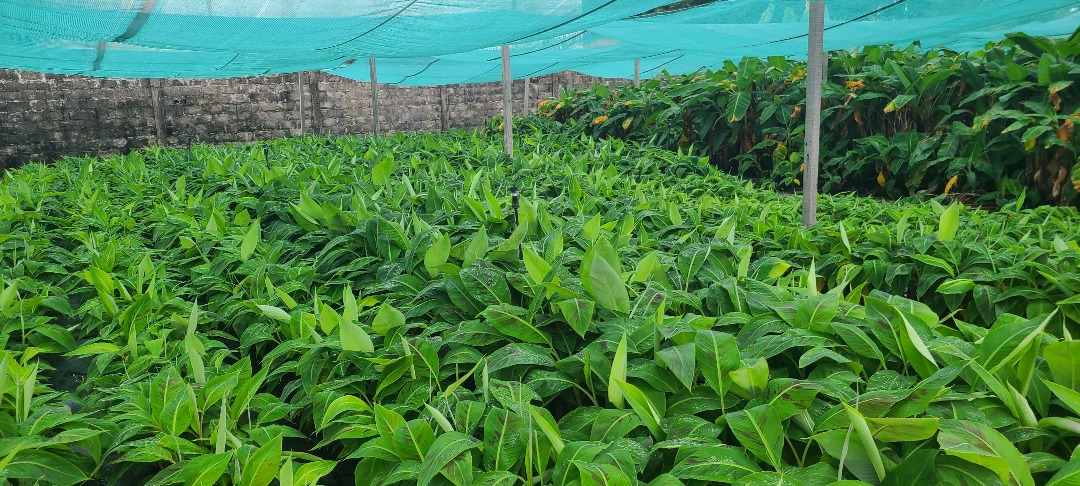
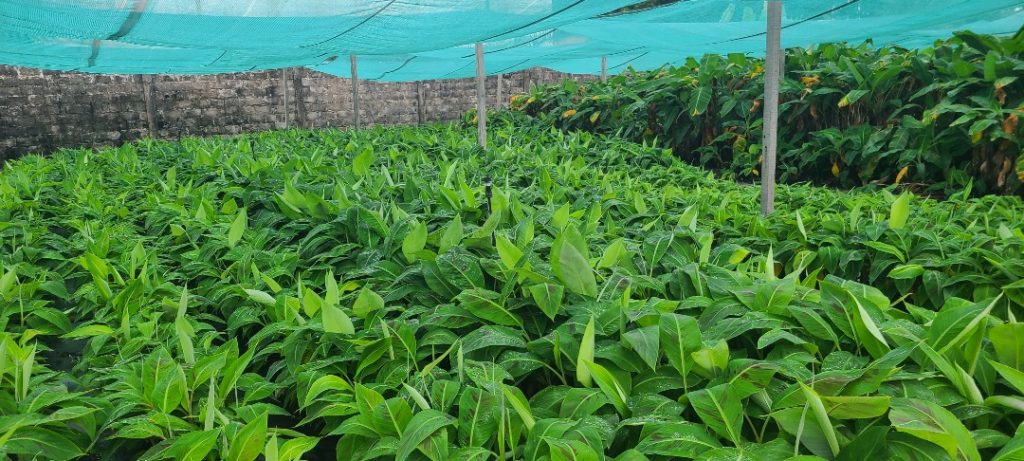
These included site selection, crop maintenance, and modern propagation methods such as in vitro culture (CIV), plants derived from fragments (PIF), and semi-automated hydroponic technology (SAH). Other themes addressed included integrated management of diseases, pests, and weeds, soil fertility diagnosis, and integrated crop nutrition management.
Additionally, data collection, organisation, and analysis for varietal performance monitoring were explored, as well as the use of digital tools, notably NURU for disease diagnosis and SeedTracker for mapping stakeholders and seed traceability.
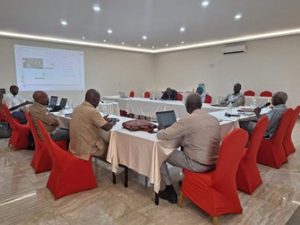
Participants benefited from a balanced approach that combined theoretical courses, practical exercises, digital simulations, and group work, thereby strengthening their ability to support the digital transformation of Gabon’s agricultural sector.
The training was led by a multidisciplinary team of experts from IITA, IRAF and national institutions, including seed specialists, agronomists, phytopathologists, entomologists, soil scientists, agricultural statisticians and IT experts, under the leadership of Dr Apollin Fotso.
This multi-stakeholder collaboration successfully involved both institutional managers and field actors, thereby ensuring greater coherence in seed sector governance and the adoption of technological innovations.
At the end of the training, 25 senior officials from the Ministry of Agriculture and 25 departmental service heads successfully completed all modules, receiving certificates of participation.
Each participant also received a set of illustrated technical guides on cassava and plantain seed systems and the main diseases and pests, including Cassava Mosaic Disease (CMD), Cassava Bacterial Blight (CBB), Cassava Brown Streak Disease (CBSD), Cassava Anthracnose Disease (CAD), Root and Tuber Scale (ARTS), Cassava Green Mite (CGM), Banana Weevil, and Banana Bunchy Top Disease (BBTD).
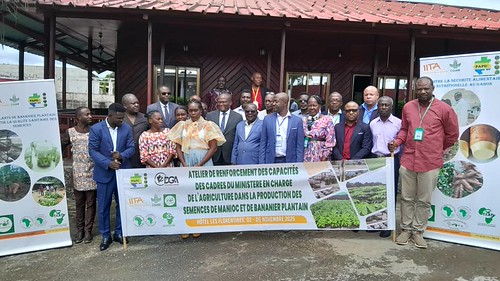
To ensure sustainability and effective follow-up, several actions were agreed upon, such as: dissemination of the training report to regional and departmental agricultural directorates; integration of the acquired skills into ministerial and operational work plans; technical support for field demonstration activities; and monitoring of performance indicators related to seed quality, traceability and varietal performance.
These measures will contribute to strengthening institutional capacities and harmonising the national seed production framework.
According to Dr Apollin Fotso, “TAAT reaffirms, through these initiatives, its catalytic role in Africa’s agricultural transformation by supporting the strengthening of technical and institutional capacities for the development of seed systems.”
“By equipping Gabonese agricultural officers with modern tools, updated skills and innovative practices, TAAT supports Gabon’s progress towards self-sufficiency in quality cassava and plantain seeds,” Dr Fotso added.
This collaboration between TAAT, IITA, IRAF, and the Government of Gabon marks a decisive step toward building a resilient, technology-driven, and sustainable agricultural sector, fully aligned with national development priorities and the African Development Bank’s “Feed Africa” strategy.
Recent Stories
Related Stories
- Gabon: AfDB supervision mission hails TAAT’s technology delivery model
- TAAT spearheads new drive to unlock South Sudan’s agricultural potential
- Sierra Leone: TAAT holds training and sensitisation sessions for Agrodealers, Youths and IP Networks
- Guinea-Bissau: TAAT engages Stakeholders on Cassava Value Chain development
- DR Congo: TAAT engages Stakeholders on SAH Technology and Innovation Platform Approach