 IITA – Bénin Campus, 08 BP 0932 Tri Postal, Cotonou – République du Bénin
 @Taat_Africa
 TAAT Africa
 @taatafrica
How ACLBC is Catalysing the Adoption of New Climate-smart Seed Varieties
Buoyed by the need to accelerate the uptake of new climate-smart seed varieties through a multi-faceted approach that addresses technical, financial, and social barriers, Technologies for African Agricultural Transformation (TAAT), in collaboration with the African Seed Trade Association (AFSTA), held a field demonstration and workshop on the 19th of August 2025 in Kenya.
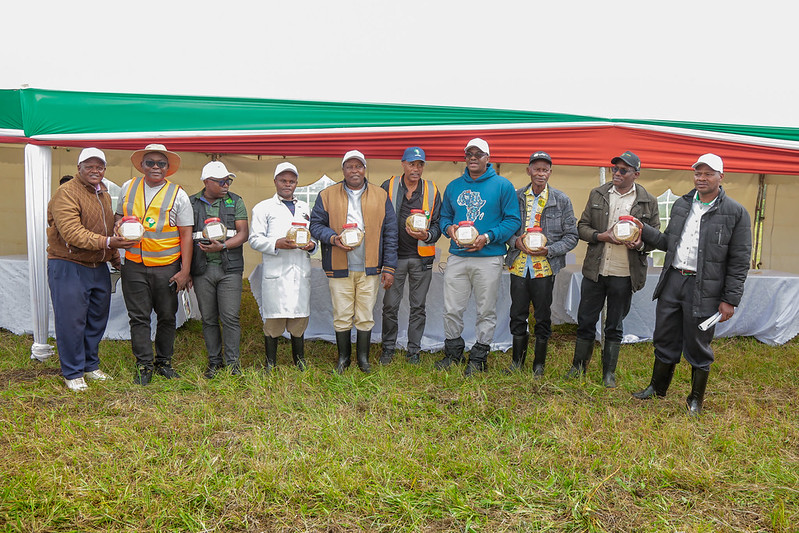
The field demonstration of climate-smart seed varieties and workshop held at the Kenya Agricultural and Livestock Research Organisation (KALRO) research station in Njoro, Kenya, under the framework of the African Cereal and Legume Breeding Consortium (ACLBC).
The event, which was held under the theme “Catalysing Seed Technology Adoption through Partnership, Performance & Field Experience,” brought together several experts from the public and private sectors, including seed companies and breeding institutions, seed inspectors and farmers from across Africa.
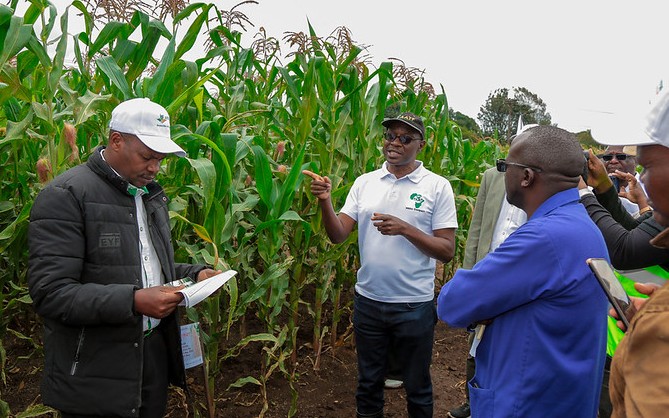
With a focal emphasis on improving access to resilient seed innovations through appropriate breeding support and robust supply chains, strengthening extension services, using peer-to-peer knowledge sharing, enhancing farmer education via demonstration plots, and tailoring seeds to local needs, the consortium took participants through a 2-acre demonstration plot established in collaboration with KALRO.
The demonstration showcased newly released, high-performing varieties of maize, soybean, rice, wheat, high-iron beans (HIB), sorghum, and millet.
This initiative, according to Geoffrey Nsofon, the ACLBC Lead, “seeks to stimulate interest among seed companies and catalyse the adoption, branding, and scaling of these elite varieties and hybrids developed by CGIAR Centres and Advanced Agricultural Research Institutions.”
According to Mr Nsofon, the consortium is not all about the uptake of new varieties and hybrids but also about reinforcing the capacity of seed companies to produce their own parental lines.
“Our intention is to accelerate the uptake of these varieties by seed companies, and we hope that those who have identified the varieties will secure licenses in their different countries,” he said.
“We work on a demand-driven approach where we produce what the seed companies want, or seed companies collaborate with us to produce what they want for their particular market, hence the need for seed companies across Africa to join the consortium for greater benefits, including the right to get the exclusive lines of your choice,” Nsofon added.
The AFSTA Secretary General, Dr Yacouba Diallo, hailed the field demonstration as a successful and significant step to achieving food systems resilience in Africa using seed innovations and seed companies as pivots.
“We want to engage the private sector, mainly seed companies, to uptake the new varieties for business purposes by putting the new varieties in their portfolio, multiplying and selling to farmers. With all these innovative varieties, we will be able to increase productivity and push the frontiers of food and nutrition security in Africa,” Dr Diallo said.
Dr Solomon Gizaw, the Head of the TAAT Clearinghouse, after participating in the extensive field demonstration, urged seed companies to take full advantage of the opportunities ACLBC offers by joining the consortium.
“This consortium offers a unique platform to facilitate large-scale investments, leverage state-of-the-art breeding technologies, and expand your footprint across the African agricultural landscape. Your active participation is crucial in scaling up the availability of superior seeds and enhancing the resilience and productivity of farming systems across the continent,” he added.
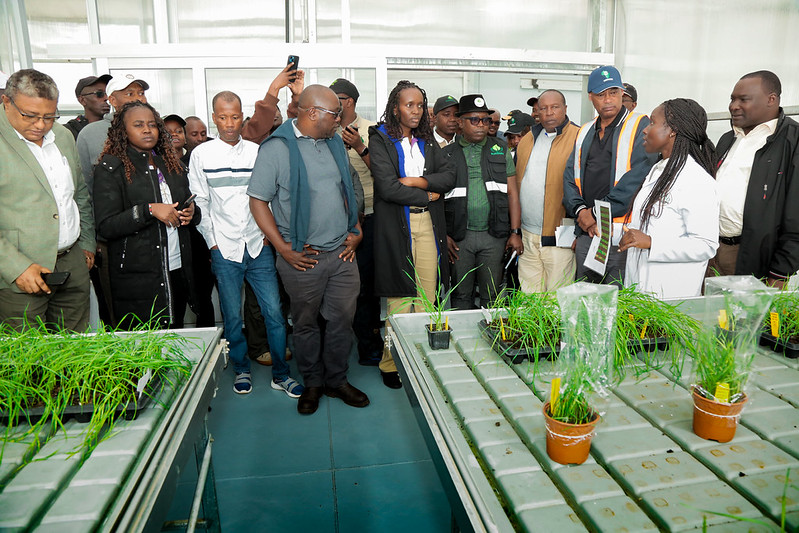
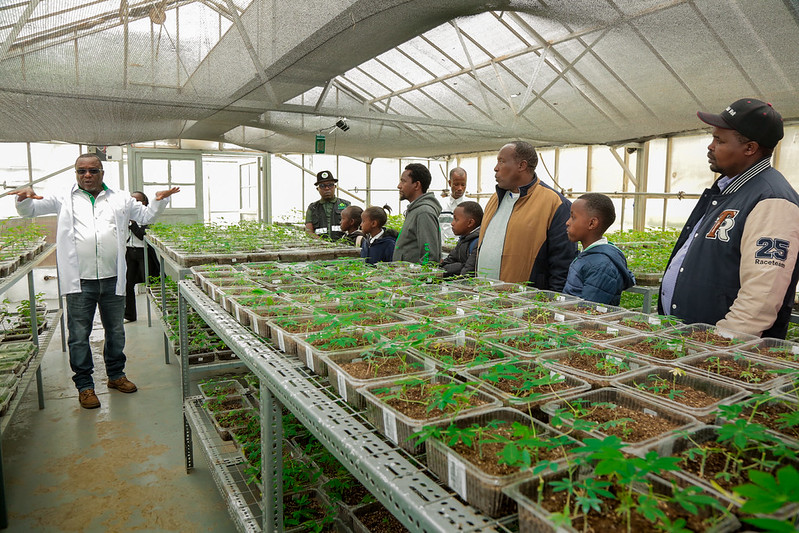
Breeders and multipliers observed several innovative technologies that aid in the production of clean planting materials for their improved seed varieties.
“I found the tour to be quite enlightening as I acquired a wealth of knowledge and discovered new crop varieties to incorporate into my portfolio. The fresh ideas and characteristics of these new varieties will enable me to increase and broaden the range of crops I am cultivating,” stated Mr. John Kimaithi Mainga, the Executive Director at Inungu CBO Seed Merchant, Kitui, Kenya.
Participants at the field demonstration appreciated the high potential of the TAAT-certified cereal and legume varieties at multiple growth stages under genuine field conditions, and they lauded ACLBC for creating a platform that enables seed companies and value chain actors to collaborate with TAAT Compacts, breeders, and technology developers.
Recent Stories

Related Stories
- Kenya: TAAT holds ToT Workshop on Soybean Agronomy, Seed Production and Entrepreneurship
- Uganda: TAAT showcases improved and resilient soybean varieties
- Ghana: TAAT and partners showcase improved maize varieties to farmers
- Cameroon: TAAT holds ToT on Soybean Production
- AALI, CORAF rally stakeholders on TAAT’s pathway for robust African seed systems