 IITA – Bénin Campus, 08 BP 0932 Tri Postal, Cotonou – République du Bénin
 @Taat_Africa
 TAAT Africa
 @taatafrica
Jigawa State Delegation explores scale-up Opportunities with TAAT
In Africa, the Technologies for African Agricultural Transformation (TAAT) programme has established itself as a major driver of innovation dissemination, the scaling up of agricultural technologies, and the strengthening of capacities among public and private sector stakeholders.
TAAT is widely recognised for its structured approach to accelerating the adoption of proven agricultural technologies, particularly in improved seeds, water management, soil fertility, mechanisation, and climate change resilience.
This integrated approach serves as a benchmark model for territories facing challenges in agricultural productivity, sustainability, and youth employment.
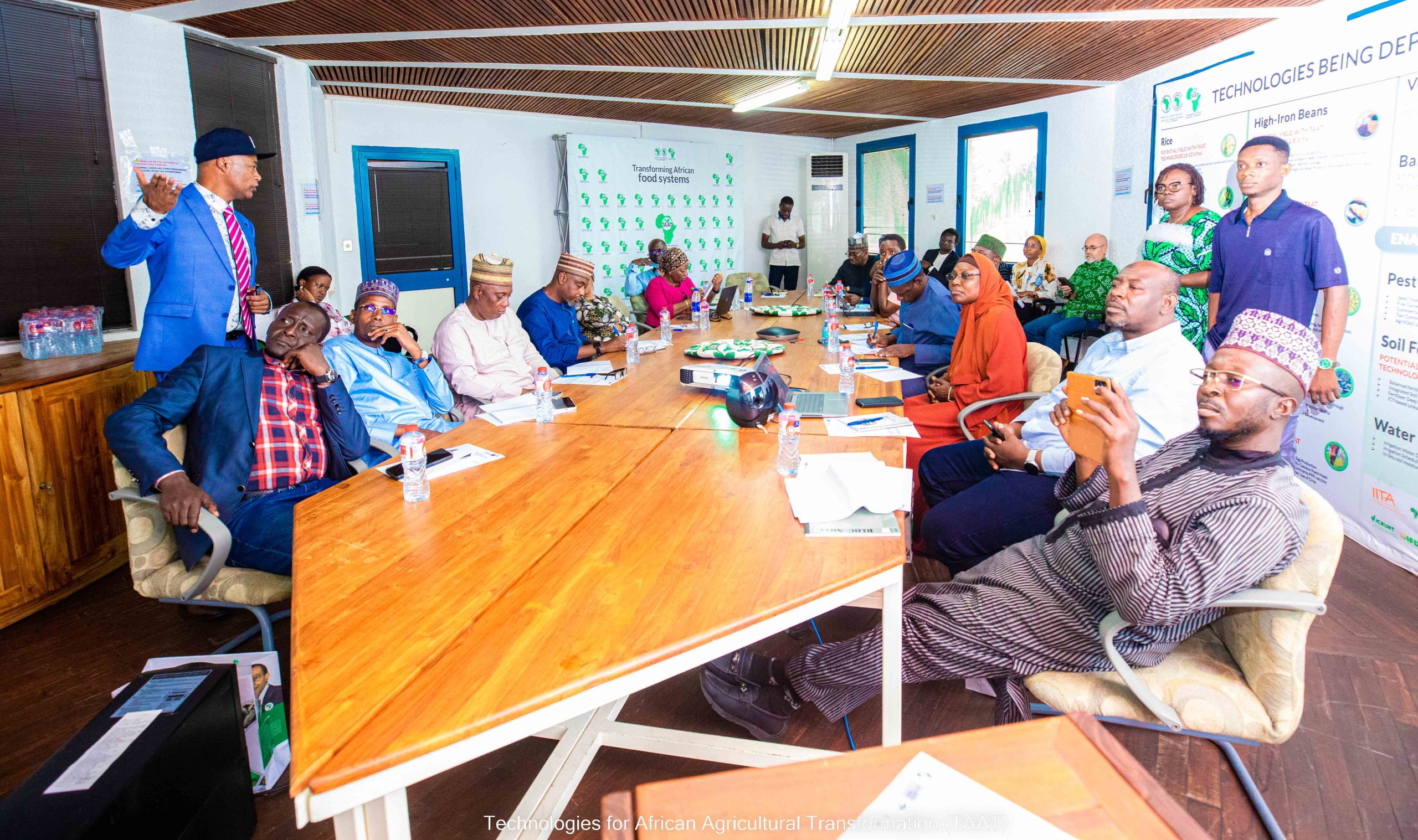
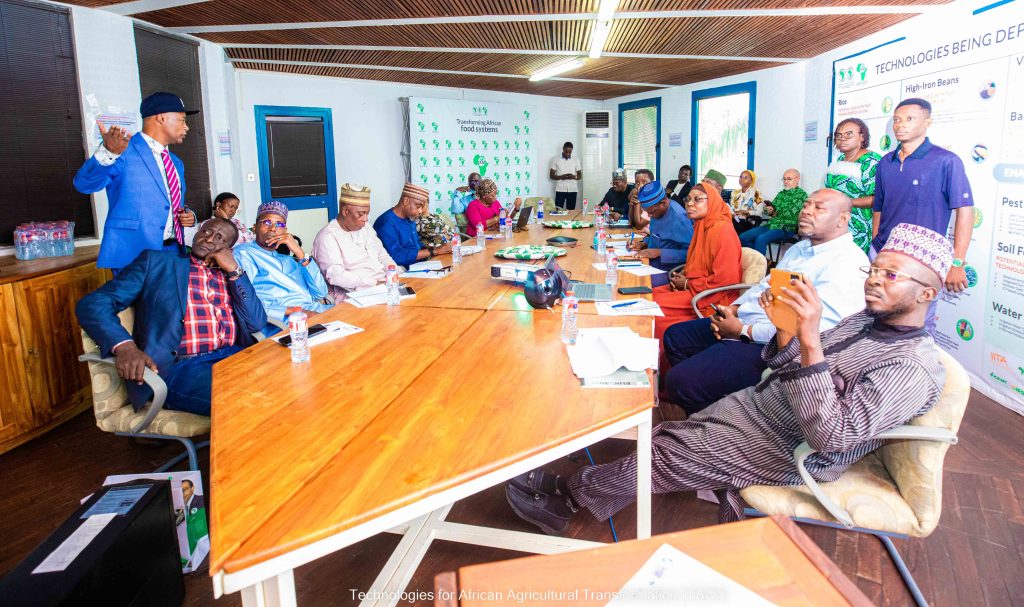
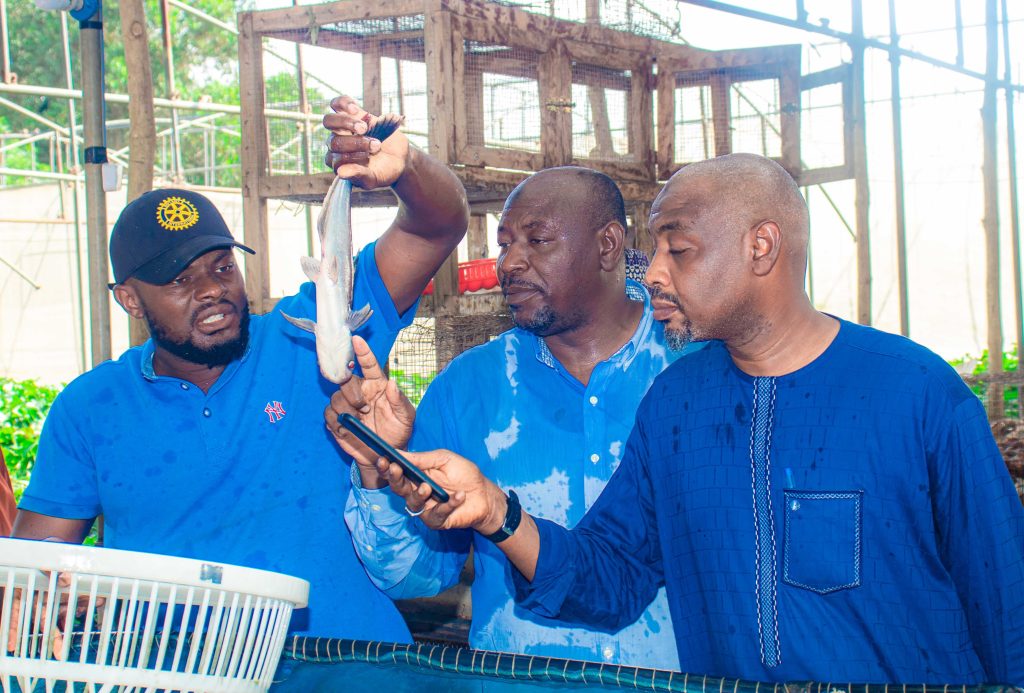
It is within this context that a delegation from the Government of Jigawa State, north-west Nigeria, undertook a study visit to the TAAT programme in Cotonou, Benin, on 17 November 2025, with the objective of acquiring in-depth knowledge of its expertise and implementation mechanisms for agricultural transformation.
Agriculture remains the backbone of Jigawa State’s economy, providing livelihoods for the majority of its citizens. To achieve sustainable growth and competitiveness, the state government considers it essential to integrate innovation, technology, and capacity development across the agricultural value chain.
A study visit to the TAAT Clearinghouse in the Benin Republic was then designed to expose key stakeholders to leading agricultural and innovation ecosystems in West Africa.
It sought to identify practical models and partnerships that can support Jigawa State’s efforts to strengthen agricultural value chains, promote youth employment through vocational and digital skills, and establish an enabling ecosystem for innovation-driven food systems.
The initiative is part of the state’s Technology and Innovation Village Committee’s mandate to establish an ecosystem that accelerates innovation, supports research-to-market pathways, and drives economic transformation across key sectors, including agriculture, education, and renewable energy.
The visit was facilitated by the Centre for Climate Smart Agriculture (CCSA) at the Cosmopolitan University, Abuja, Nigeria, which provided the technical backbone for the mission, ensuring alignment with climate-smart, technology-enabled, and innovation-driven agricultural development goals.
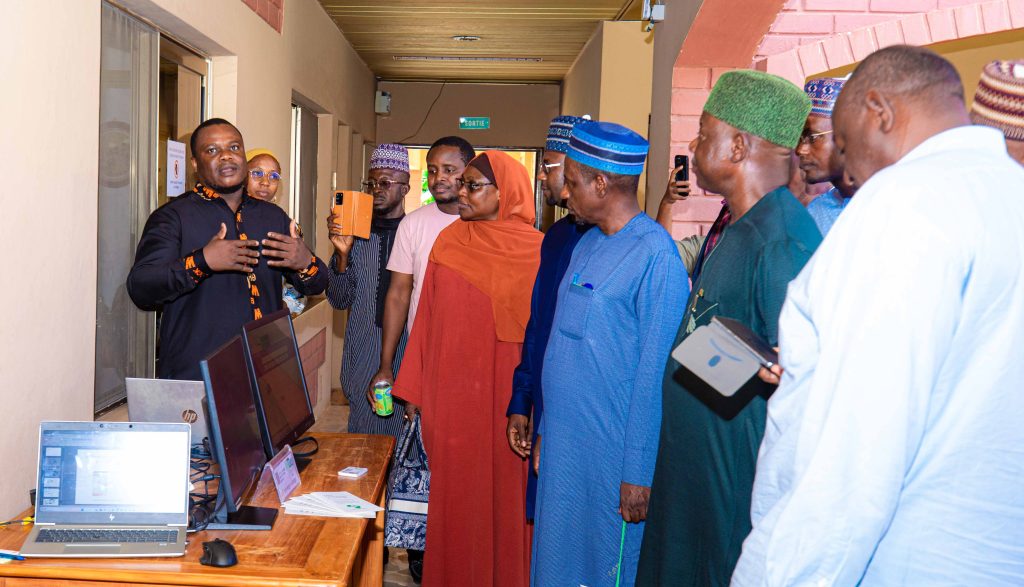
During the visit, public and private sector stakeholders from the state examined how TAAT’s technology dissemination frameworks can be adapted and integrated into national and subnational agricultural transformation strategies, particularly in contexts characterised by high agricultural dependence and a young population seeking economic opportunities.
The engagement with TAAT fostered in-depth exchanges on regional innovation platforms, multi-stakeholder partnerships, and coordination models involving governments, research institutions, the private sector, and producer organisations.
Discussions focused on mechanisms for scaling up agricultural technologies developed or supported by TAAT, the institutional frameworks required to ensure the sustainable adoption of innovations, strategies for strengthening local capacities (particularly for young people and agricultural entrepreneurs), and the conditions for replicating TAAT’s successes in other West African territories.
“Beyond learning, this study visit has laid the foundation for a sustainable partnership between the Government of Jigawa State and TAAT, centred on technical and scientific collaboration, the adaptation and dissemination of high-impact agricultural technologies, the co-development of pilot programmes and structured projects, as well as the alignment of agricultural transformation strategies with regional innovation initiatives,” Dr Solomon Gizaw, Head of the TAAT Clearinghouse, declared.
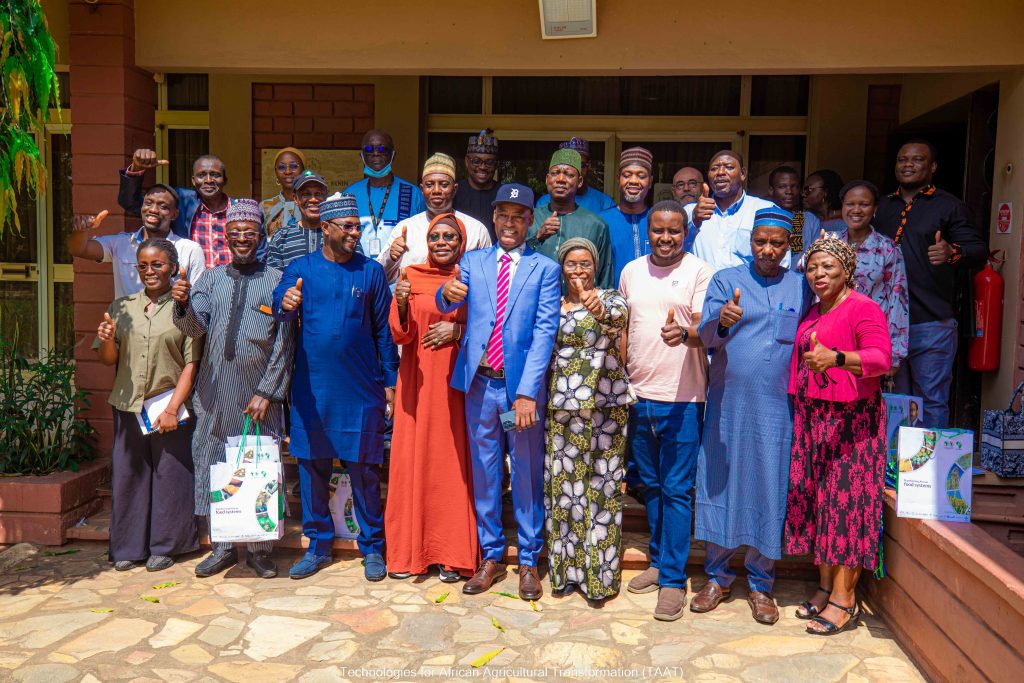
According to Dr Rislan Kanya, the Executive Director of the CCSA, “we consider our coming here as a timely and successful visit which has opened up possibilities on how Jigawa state can adopt technologies promoted by TAAT, combined with training and entrepreneurship support mechanisms, which will ultimately contribute to the emergence of a new generation of young agricultural entrepreneurs capable of transforming agricultural value chains and stimulating local economic growth in our state.”
“By drawing on the expertise of the TAAT programme, this study visit forms part of a strategic vision for agricultural transformation based on innovation, youth entrepreneurship, the scaling up of technologies, and regional cooperation,” Dr Kanya noted.
“The lessons drawn from the TAAT approach will strengthen the capacity of our policymakers and agricultural sector actors to design and implement high-impact policies and programmes, thereby contributing to a more productive, resilient, and job-creating agricultural sector in Jigawa State, he added.
Recent Stories

Related Stories
- South Sudan: TAAT holds High-level Consultative Workshop on Food Systems Transformation
- NIGERIA: TAAT hosts Stakeholders in second Wheat Seed Production Workshop
- TAAT to highlight innovation pathways at African Food Systems Summit 2025
- TAAT and Partners convene stakeholders for the Guinea seed roadmap
- TAAT Renews commitment to transforming irrigation in Africa