 IITA – Bénin Campus, 08 BP 0932 Tri Postal, Cotonou – République du Bénin
 @Taat_Africa
 TAAT Africa
 @taatafrica
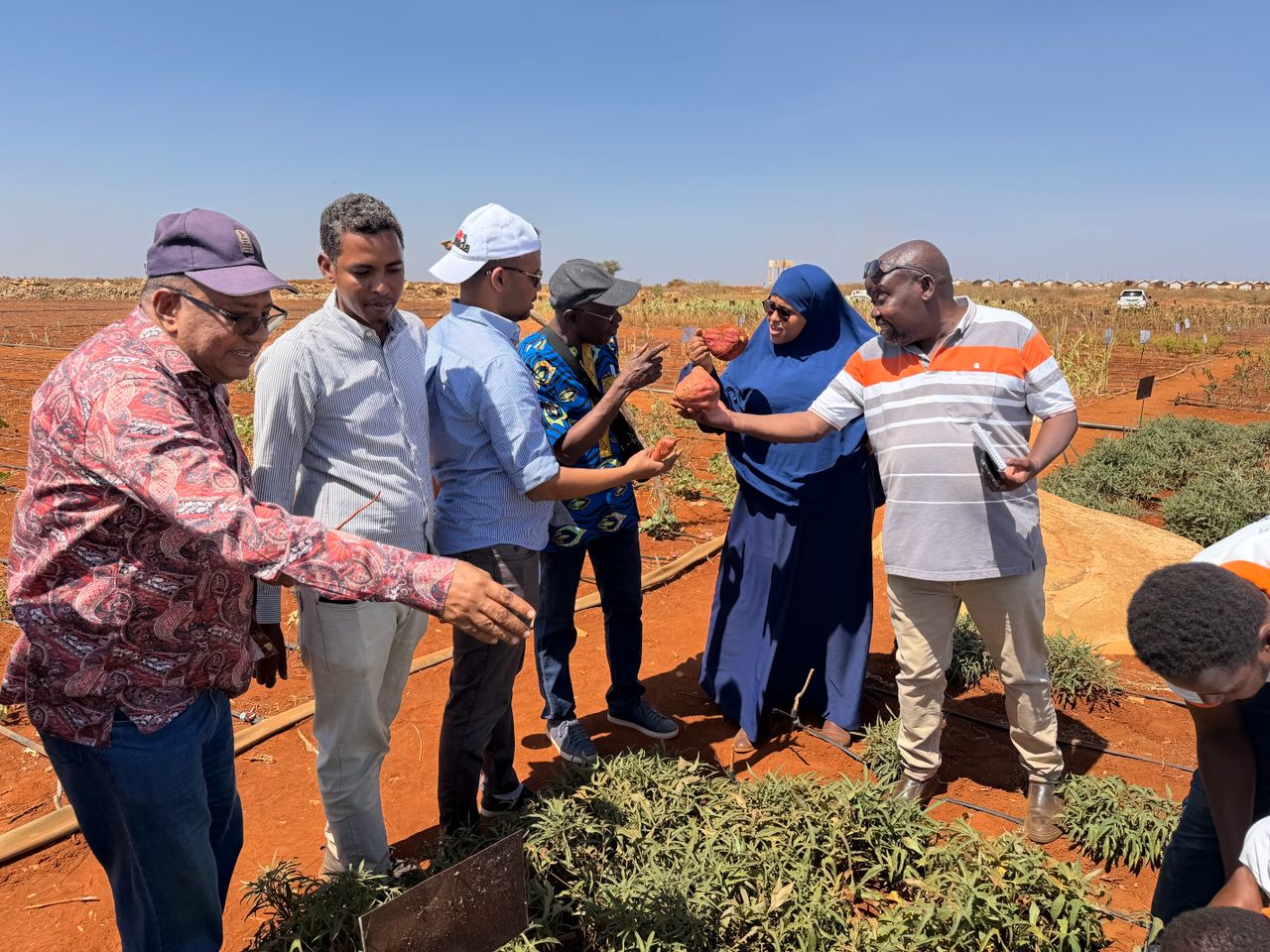
SEPAREF: How TAAT and Partners are strengthening Seed System and Early Warning Tools in East Africa
A regional initiative aimed at improving seed systems and bolstering crisis readiness in the vulnerable areas of Burundi, the Comoros, Somalia, and South Sudan has achieved remarkable strides in food security and resilience.
The project, known as Strengthening Emergency Preparedness and Response to Food Crisis (SEPAREF), was executed by the Technologies for African Agricultural Transformation (TAAT), with financial backing from the African Development Bank (AfDB) and in cooperation with the governmental ministries of the four nations and various partners.
Established in response to worsening food security issues exacerbated by global supply chain disruptions related to the Russia–Ukraine War, the initiative focused on strengthening seed system foundations, optimising input markets, and promoting digital early warning platforms to enhance local production.
The project’s favourable outcomes emphasise the importance of leveraging these initial results through a second phase of investment to secure long-term sustainability and support effective scaling.
Consolidating the outcome
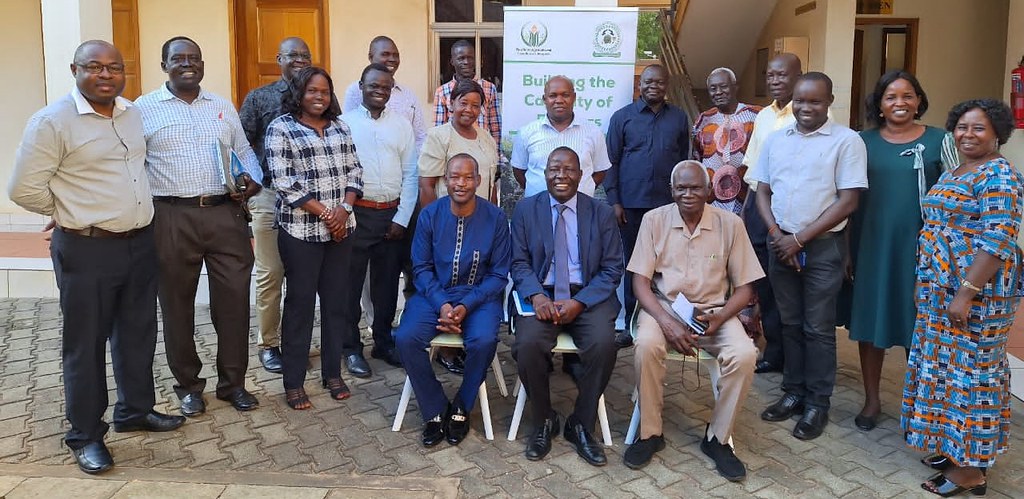
To reinforce achievements and plan for the future, a regional validation workshop was conducted from March 4 to 6, 2026, in Nairobi, Kenya.
The meeting brought together technical teams from AfDB, TAAT, Food and Agriculture Organization (FAO), International Institute of Tropical Agriculture (IITA), National Agricultural Research Systems (NARS), and the ministries of agriculture and finance from the participating nations, as well as private-sector representatives. Participants reviewed project results and examined strategies to incorporate the advancements made in seed systems and digital early warning tools into an enduring national infrastructure.
Pathways for Scaling Seed System Resilience
Participants at the workshop highlighted several significant results achieved under the project.
More than 956 tonnes of Early Generation Seed (EGS)—valued at approximately USD 1.7 million—were produced, significantly improving farmers’ access to climate-resilient and drought-tolerant crop varieties.
The initiative also supported the rehabilitation of irrigation infrastructure and seed storage facilities, while strengthening local production capacity by engaging over 250 seed outgrowers.
In collaboration with the TAAT compacts and IITA, the project further enhanced the technical capacity of national research institutions to ensure that high-quality seed technologies reach smallholder farmers efficiently and at scale.
Beyond production gains, the project also delivered important institutional improvements. These included establishing national seed councils, developing digital early warning systems, and strengthening coordination mechanisms to support crisis preparedness.
Through these digital platforms, more than 160,000 farmers have already been registered, enabling improved access to early warning information and agricultural advisory services.
Building on the Gains
During the workshop, Pascal Sanginga, Regional Manager for Agriculture and Agro-Industries at the African Development Bank, emphasised the need to scale up the initiative to deliver greater impact across the region.
“Scaling this initiative is essential for strengthening food and nutrition security, creating jobs, and significantly reducing grain import bills across participating countries,” he noted.
At the same time, he cautioned that important risks remain, including limited government budgets, continued reliance on donor funding, and restricted access to capital for seed enterprises.
“This gathering should serve as a strategic design laboratory—transforming three years of lessons into a structured roadmap for a multi-country seed security and resilience programme,” he added.
Speaking at the event, Farayi Zimudzi, FAO Representative in Kenya, underscored the importance of sustaining the project’s gains beyond its current implementation phase.
“Financial sustainability for the seed sector is critical,” she said. “Equally important is embedding seed certification systems and digital early warning tools within national structures, supported by harmonised standards and stronger public–private partnerships to scale seed enterprises.”
The workshop concluded with strong commitments from stakeholders to sustain the progress achieved and to support the development of a multi-country follow-on programme. The proposed initiative aims to transform the project’s achievements into regional public goods, while scaling up seed security and resilience efforts across participating countries.
Recent Stories
Related Stories
- TAAT holds regional workshop for Seed Actors in fragile states
- TAAT Showcases Agricultural Innovations at the Kilimo Biashara Expo 2026
- Benin: TAAT hosts Green Field Day, Showcases Wheat Potential
- Sierra Leone: TAAT targets Food Security via Wheat Production
- How ACLBC is Catalysing the Adoption of New Climate-smart Seed Varieties