 IITA – Bénin Campus, 08 BP 0932 Tri Postal, Cotonou – République du Bénin
 @Taat_Africa
 TAAT Africa
 @taatafrica
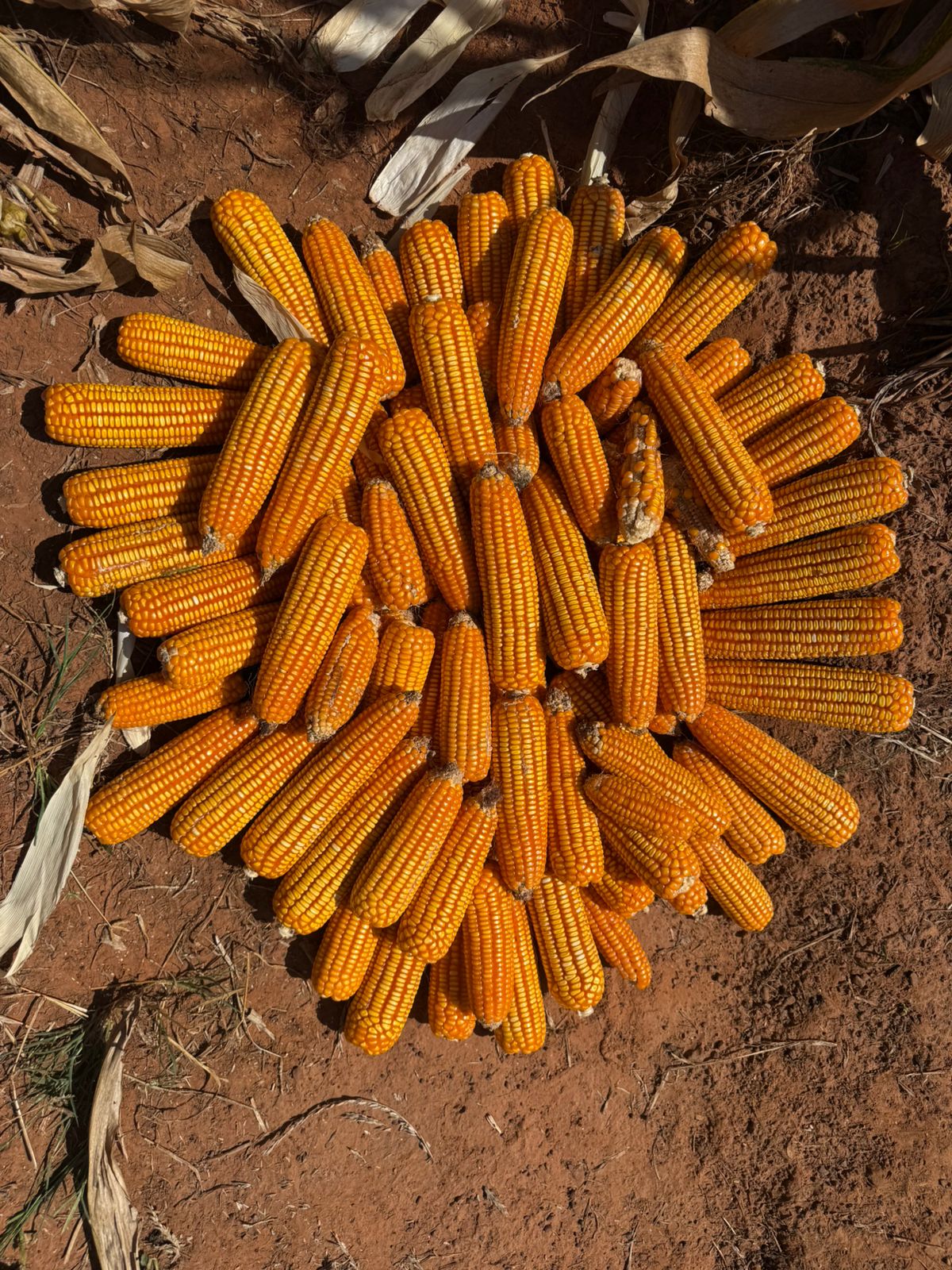
TAAT Showcases Climate-Smart Maize Varieties in Ghana
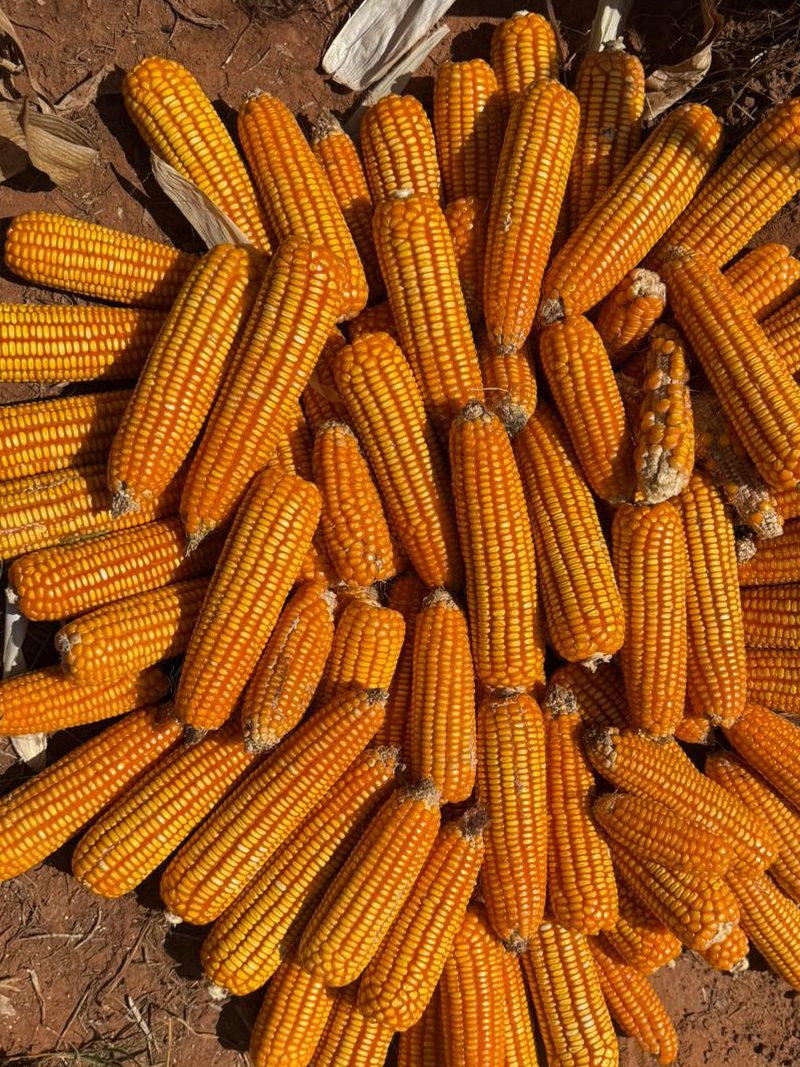
The Technologies for African Agricultural Transformation (TAAT) Programme, through its Maize Compact, has unveiled climate-smart maize varieties and improved agronomic practices to farmers and stakeholders in Ghana. The field event was organized by the Council for Scientific and Industrial Research–Savanna Agricultural Research Institute (CSIR–SARI), in collaboration with the Kassena-Nankana Municipal Directorate of the Ministry of Food and Agriculture (MoFA), at Punyoro in the Kassena-Nankana Municipality.
The brown field day brought together farmers, teachers, agricultural officers, input dealers and researchers to observe practical demonstrations showcasing improved hybrid maize varieties designed to enhance productivity, resilience, and nutritional value.
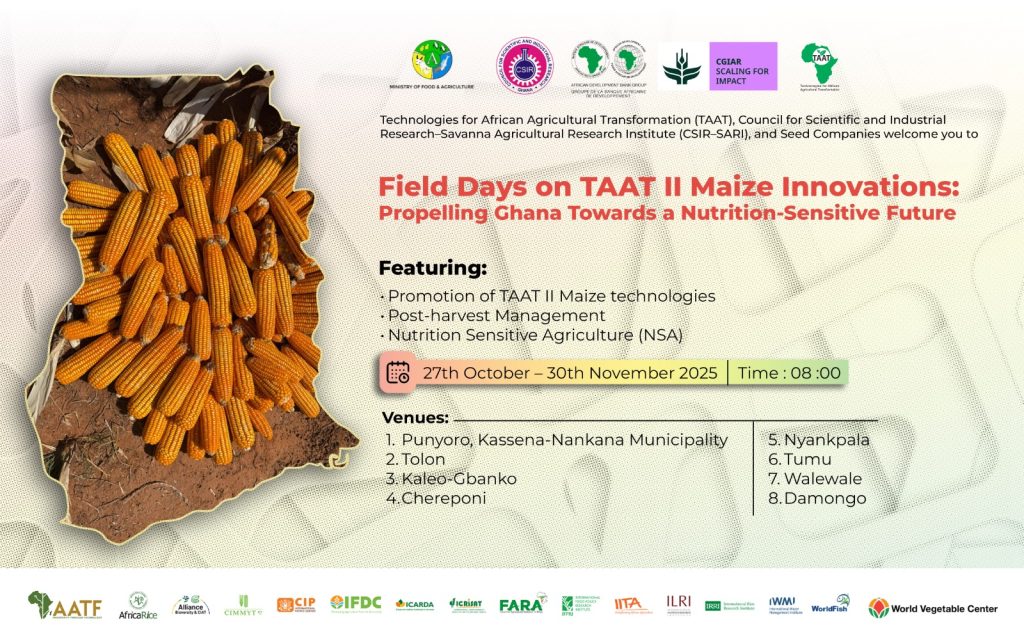
The Municipal Agricultural Extension Officer Elijah Bobi, who supervised the exercise, explained that the initiative seeks to expose farmers to modern production technologies and high-yielding maize varieties capable of performing well under changing climatic conditions.
“We guided farmers through a maize demonstration involving four climate-smart, nutrient-dense hybrids compared with the local farmer variety and practice,” Bobi noted.
Dr. Isaac Kodzo Amegbor, Research Scientist and Maize Breeder at CSIR–SARI, emphasized that the demonstration forms part of the institute’s broader mandate to promote climate-smart agricultural technologies through participatory learning and farmer adoption.
He highlighted that the activity is being implemented under TAAT II, with support from the African Agricultural Technology Foundation (AATF), which leads the TAAT Maize Compact.
“We want our farmers to appreciate the potential of the varieties developed at CSIR. These climate-smart, nutrient-dense hybrids are not only drought-tolerant but also enriched with vitamin A and higher protein content to help combat malnutrition,” Dr. Amegbor explained.
He further noted that yellow and orange hybrids such as Dimaale-Engee and CRI-Abebe are provitamin A-rich, while CSIR-Adubi-Boyo is a quality protein maize (QPM) variety enriched with lysine and tryptophan. These attributes make the varieties both agronomically superior and nutritionally beneficial.
“These varieties are bred locally, right here in Ghana. Demonstrations like this empower farmers to become ambassadors of these technologies,” he added.
Kassim Salifu, Municipal Director of Agriculture, praised the collaborative effort and highlighted its potential to transform agricultural productivity in the municipality. “If we adopt what we are seeing today, Navrongo will change and when Navrongo changes, the Upper East Region will change, contributing to national development,” he said.
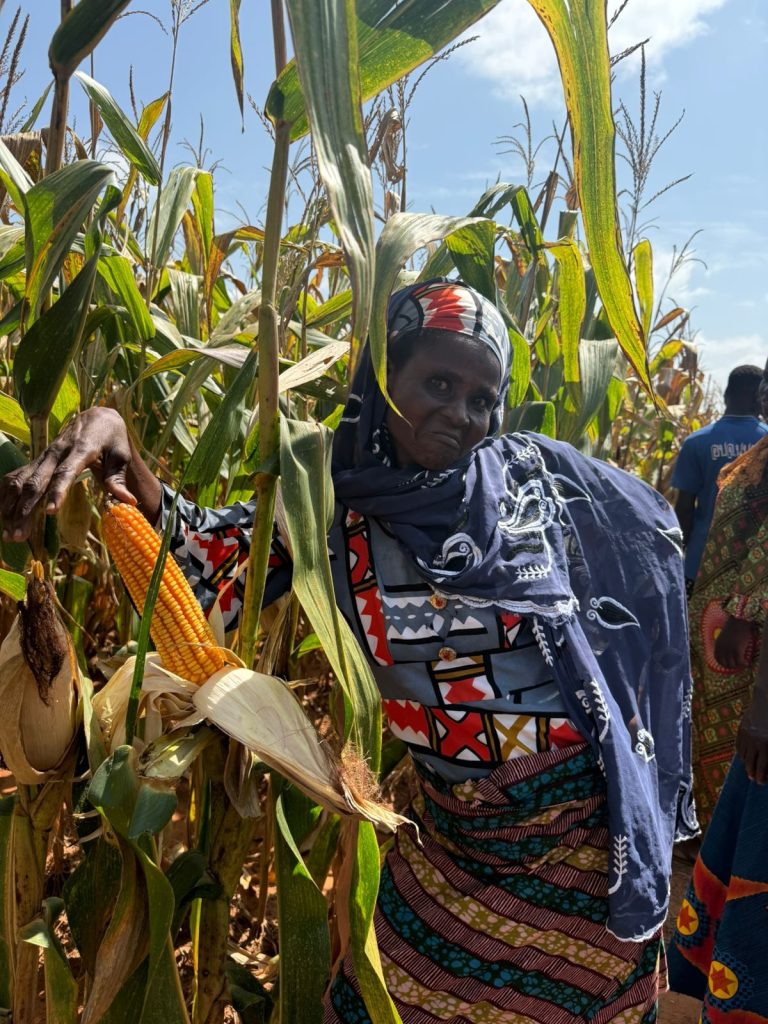
Lead farmer of the Punyoro Vorobia Farmers Group, Adewoyi Peter, expressed appreciation for the initiative, describing it as a valuable learning experience.
“These varieties mature early, stand well without lodging, and produce excellent cobs even under drought. Varieties like CSIR-Adubi-Boyo also maintain green leaves at maturity, which is useful for livestock feed,” he noted.
Assembly Member for Punyoro, Solomon Kanye, called on CSIR–SARI and TAAT stakeholders to expand the demonstrations to reach more farmers and ensure the availability of certified seeds.
“I encourage community members to register and learn from these fields. I appeal for the initiative to be extended so more communities can benefit,” he said.
The field day marks an important milestone in the ongoing partnership between CSIR–SARI, MoFA, AATF, and TAAT. It reaffirms their shared commitment to scaling climate-resilient maize technologies, strengthening farmer knowledge, boosting productivity, and improving food and nutrition security across northern Ghana.
Recent Stories

Related Stories
- Ghana: TAAT and partners showcase improved maize varieties to farmers
- GHANA: TAAT Engages Stakeholders on Innovation Platform Model
- South Sudan: TAAT strengthens the varietal release system
- TAAT spearheads new drive to unlock South Sudan’s agricultural potential
- Ghana: How TAAT is Growing Nutrition and Opportunities through Improved Vegetables