 IITA – Bénin Campus, 08 BP 0932 Tri Postal, Cotonou – République du Bénin
 @Taat_Africa
 TAAT Africa
 @taatafrica
TAAT spearheads new drive to unlock South Sudan’s agricultural potential
In South Sudan, where most of the population depends on agriculture for survival, poverty and food insecurity remain alarming.
According to the World Bank, over two-thirds of South Sudanese live in poverty, despite 95% of the population engaging in farming.
The country’s heavy dependence on food imports (especially maize, bananas, and cassava) has deepened its economic and nutritional vulnerability. Yet, the potential for agricultural transformation is immense.
At the heart of this transformation lies the Technologies for African Agricultural Transformation (TAAT), a flagship programme of the African Development Bank (AfDB) under its Feed Africa Strategy.
TAAT is designed to double the productivity of crops, livestock, and fish across Africa by equipping more than 40 million smallholder farmers with proven, climate-smart technologies.
Since its inception in 2018, TAAT has become a cornerstone of Africa’s agricultural modernisation efforts. It achieves this by accelerating technology delivery, strengthening agribusinesses, and integrating innovation into national food systems.
In collaboration with the International Institute of Tropical Agriculture (IITA–CGIAR), the Government of South Sudan, and the Food and Agriculture Organisation (FAO), TAAT is spearheading a new drive to unlock South Sudan’s agricultural potential.
Through this partnership, CGIAR technologies and innovative solutions are being integrated into existing national initiatives such as the Climate Resilient Agri-Food Systems Transformation (CRAFT-1).
The goal is to strengthen the Ministry of Agriculture and Food Security (MAFS) and enhance the country’s research and production capacity for sustainable growth.
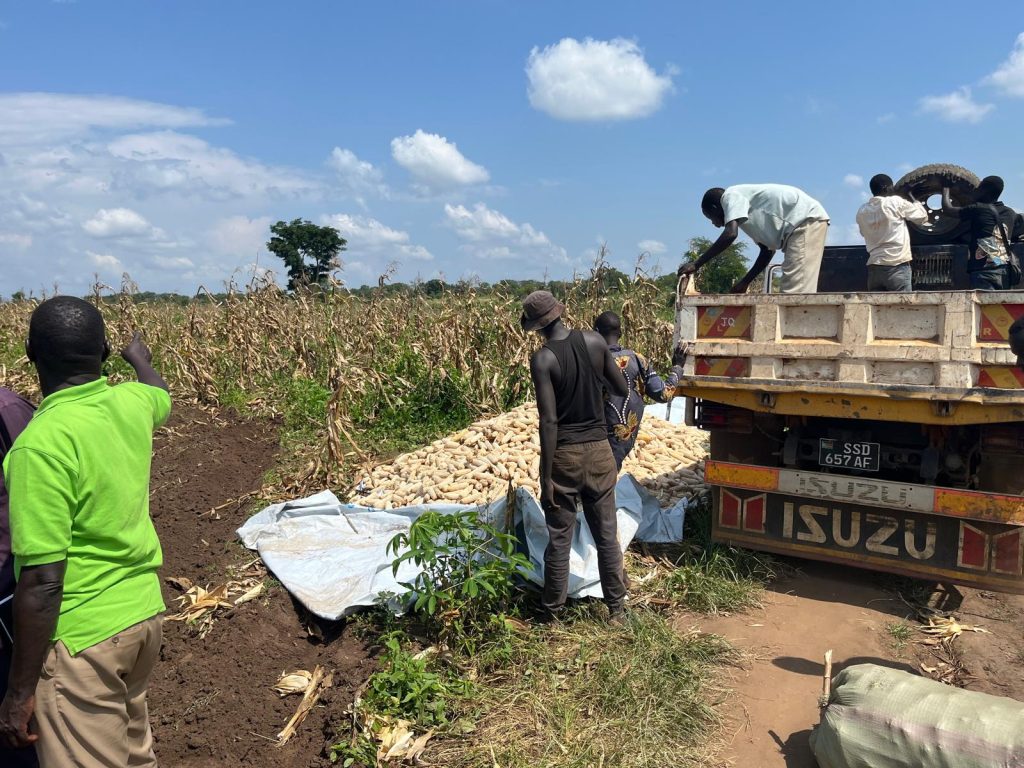
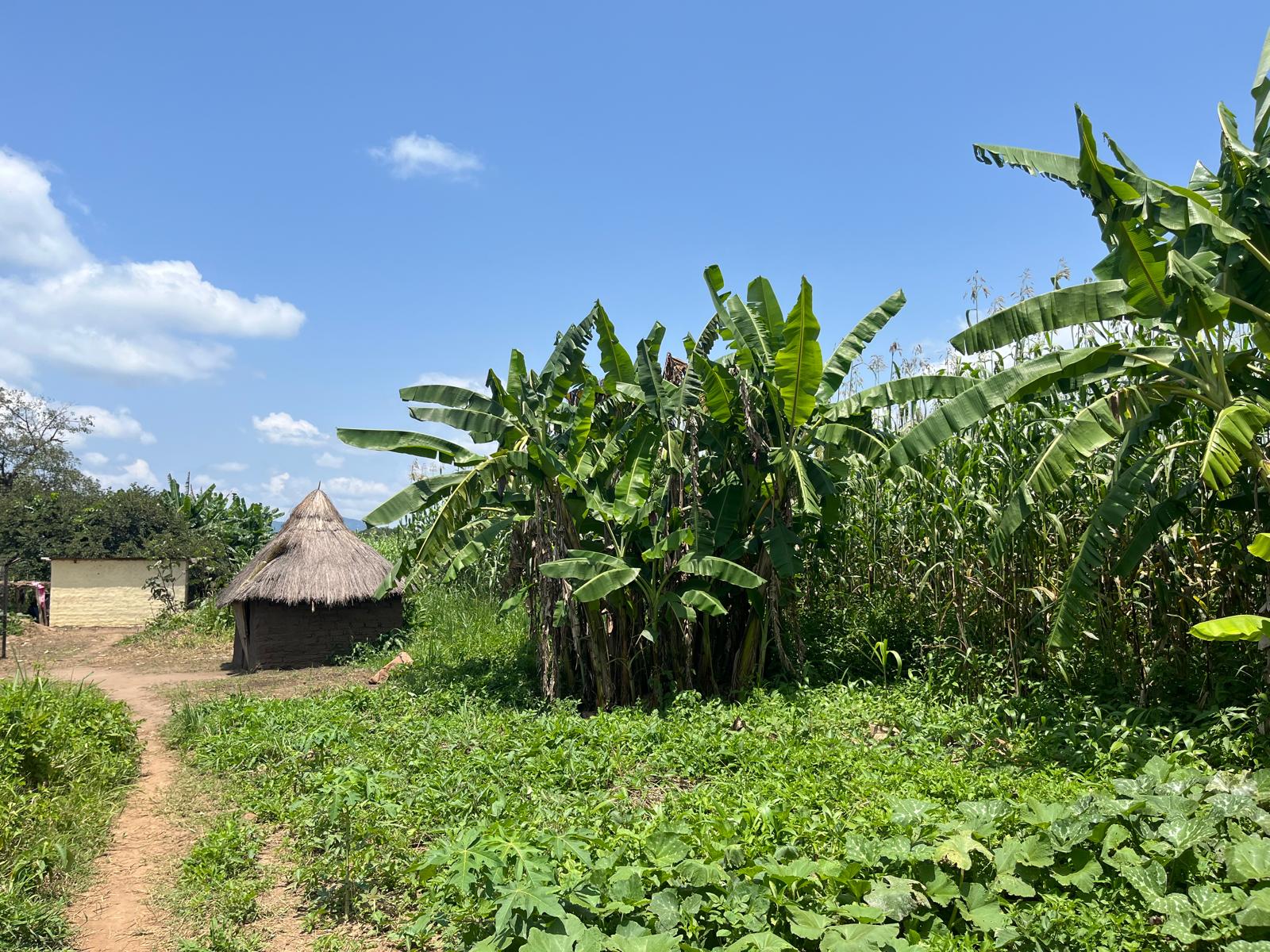
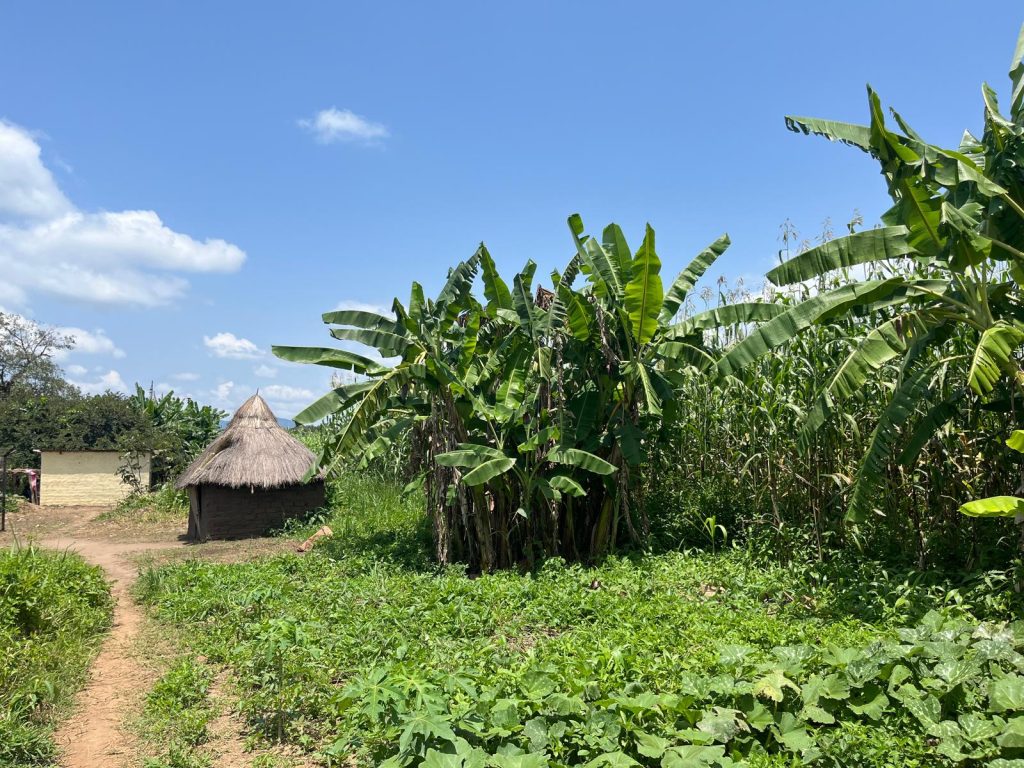
From September 3 to 10, 2025, a TAAT-sponsored scientific mission led by IITA assessed South Sudan’s agricultural landscape. Field visits revealed significant opportunities to improve banana, cassava, and maize production systems through better agronomic practices, post-harvest management, and disease control.
Dr Silvestro Meseka, IITA Maize Breeder, highlighted the country’s potential. “A maize farm near Magwi town was grown without fertilisers or chemical pest control yet yields reached 3 tons per hectare. This shows great soil fertility potential when combined with good agronomic practices.”
IITA’s vast experience in breeding and plant health (especially from its programmes in Uganda, Tanzania, and Nigeria) positions it as a strategic partner for South Sudan.
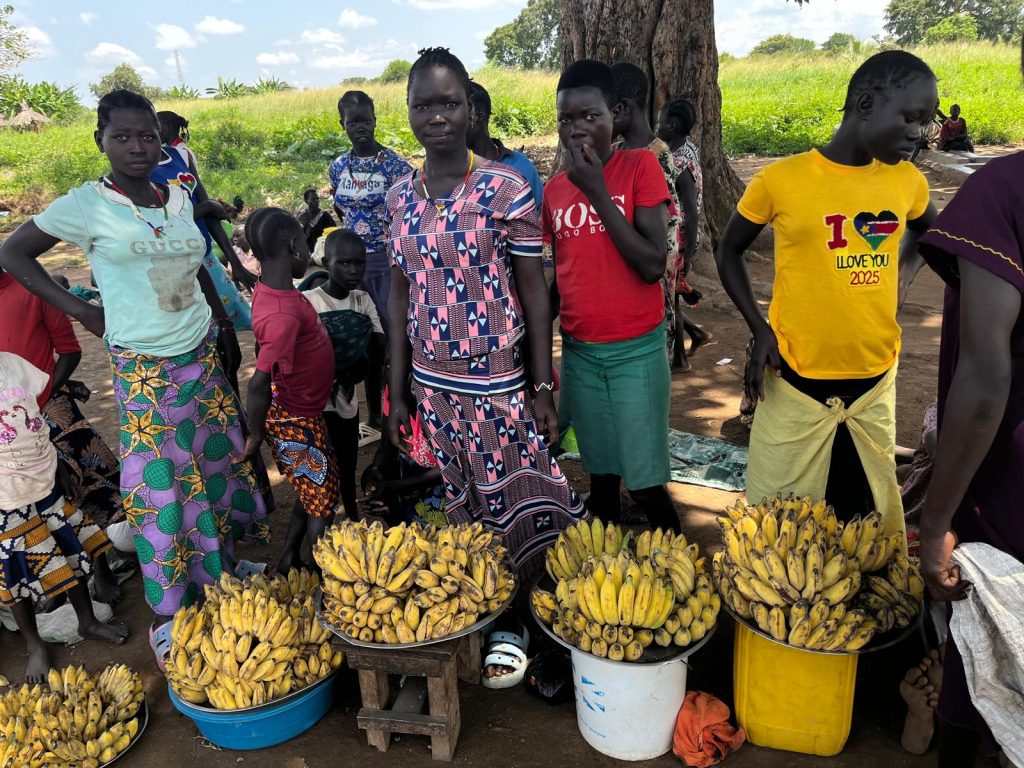
Together with MAFS, IITA aims to establish robust testing programs for major crops, strengthen pest and disease management, and promote high-yielding, disease-free planting materials to reduce dependence on imports.
Dr Rony Swennen, IITA Banana Breeder, expressed optimism about the country’s future. “It is exciting to be back in South Sudan and support the country’s agricultural agenda, especially to eradicate banana diseases and introduce superior varieties.”
The mission’s findings have drawn strong interest from development partners, including the AfDB, European Union, andFAO, who see this initiative as a transformative pathway to food self-sufficiency.
By aligning resources and expertise through TAAT, these partners are creating synergies that will accelerate South Sudan’s agricultural transformation.
Through TAAT, IITA, and committed partners, South Sudan stands on the brink of a new agricultural era, one driven by technology, resilience, and sustainability.
TAAT see this collaboration as not just about improving yields. “It is about restoring hope, empowering smallholder farmers, and building a self-reliant nation that can feed its people,” Dr Solomon Gizaw, Head of the TAAT Clearinghouse, said.
Recent Stories
Related Stories
- South Sudan: TAAT strengthens the varietal release system
- Gabon: TAAT and Partners Reinforce Cassava and Plantain Seed Systems
- South Sudan: TAAT facilitates workshop on Strengthening Emergency Preparedness and Response to Food Crisis
- South Sudan: TAAT holds High-level Consultative Workshop on Food Systems Transformation
- Gabon: AfDB supervision mission hails TAAT’s technology delivery model