 IITA – Bénin Campus, 08 BP 0932 Tri Postal, Cotonou – République du Bénin
 @Taat_Africa
 TAAT Africa
 @taatafrica
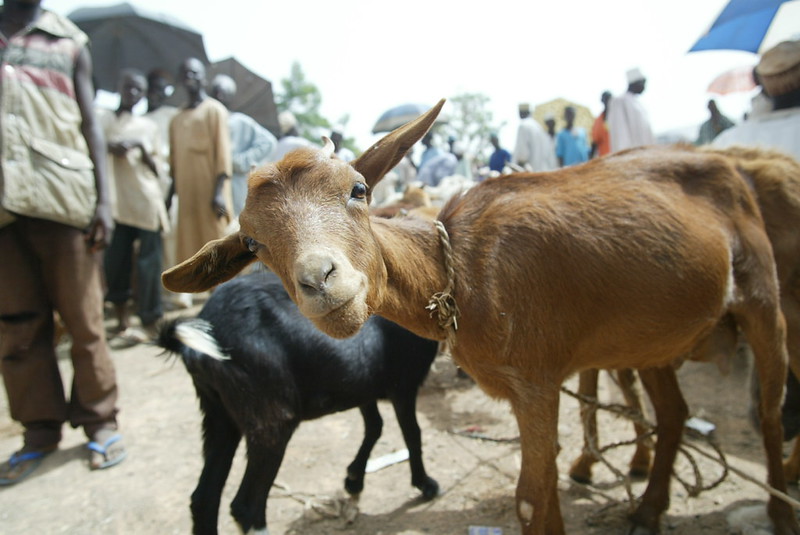
Togo: TAAT eyes increased and sustainable investments in Livestock
Despite contributing 15% of agricultural added value and 6.7% of national GDP, Togo’s livestock sector has faced chronic underinvestment. Between 2015 and 2022, it received less than 8% of total agricultural financing, which limited productivity, infrastructure development, and increased dependence on imports for animal-source foods.
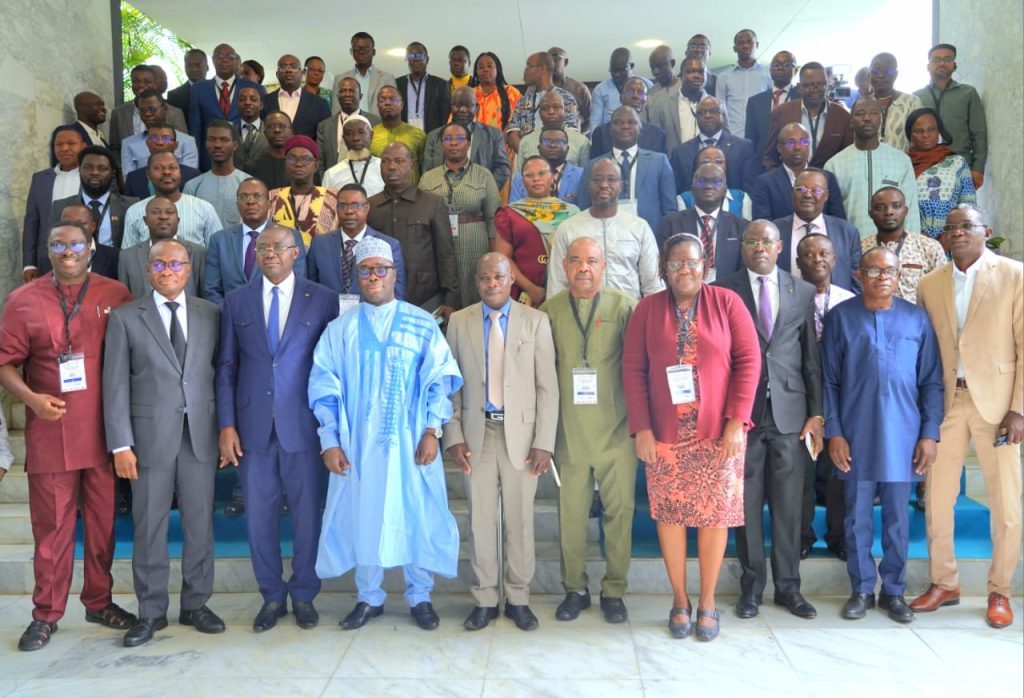
To address this, the African Development Bank, through the Technologies for African Agricultural Transformation (TAAT), held a national advocacy workshop on August 21, 2025, in Lomé, the country’s capital, to promote increased and sustainable investments in the country’s livestock sector.
The workshop, which brought together over 70 high-level officials, private sector leaders, and development partners, was organised by the TAAT Livestock Compact TAAT in collaboration with the International Livestock Research Institute (ILRI), and Togo’s Ministry of Fishery, Animal, and Transhumance Regulation (MRHART).
The workshop mobilised political, technical, and financial commitment to co-create National Livestock Master Plans (LIVEMAP), aligned with Togo’s Strategic Plan for the Development of Livestock, Fisheries, and Aquaculture (PSDEPAT 2025–2034), the African Union’s Agenda 2063, and the UN Sustainable Development Goals.
Dr Lamboni Mateyendou, Secretary General of the Ministry of Livestock, highlighted the urgency of scaling investment. “Over 60% of the animal protein consumed in Togo is imported. Instead of relying on imports, we should build a resilient domestic sector that creates jobs, empowers women, and reduces poverty,” he said.
The AfDB’s Head of the Regional Agriculture and Industry Division, Dr Eklou Somado, described livestock as a “pillar of resilience” for rural communities.
“We have seen the government’s strong commitment, but livestock remains underfunded. Through innovative mechanisms and partnerships with institutions like the World Bank, we can turn these challenges into opportunities and make livestock a strong economic driver in Togo,” Dr Somado said.
The Togolese Minister for Environment and Forest Resources, Foli-Bazi Katari, who declared the workshop open, emphasised the sector’s dual role as an economic driver and social safety net. “Livestock accounts for 6.7% of our GDP and provides income to about a quarter of households,” he said.
“But our current production of 68,000 tons of meat, 250 million eggs, and 12,350 tons of milk in 2023 still falls short of national demand. We import heavily, which raises costs and dependency. Our vision under the Government’s 2025 Roadmap is to transform livestock into a driver for youth employment and national self-sufficiency, ” he added.
He called for a collaborative approach among public authorities, technical and financial partners, the private sector, professional organisations, and research centres to build a competitive, inclusive, and sustainable livestock sector, driving employment opportunities for young people and women.
Dr Tunde Amole, the TAAT Livestock Compact Leader, described the workshop as a “giant step forward in ILRI’s goal of reaching 300 million people. By mobilising investments in livestock, we are laying the foundation for resilience, nutrition, and livelihoods across Togo,” he said.
Frameworks for Action
Dr Youssouf Kaboré from the AfDB introduced the LIVEMAP initiative, a pathway from advocacy to action based on four pillars: sustainable productivity, value chain development, food security and nutrition, and the One Health approach.
“This workshop is the first stage of advocacy. The next steps will involve the identification, evaluation, and structuring of investment projects that can unlock financing for livestock in Togo,” he said.
Dr Barry Danto Ibrahim presented Togo’s Strategic Plan for Livestock, Fisheries, and Aquaculture (PSDEPAT 2025–2034), aimed at transforming the sector into a sustainable, dynamic, and competitive engine of national growth.
He noted that the national meat production of 68,000 tons falls far below the demand of over 107,000 tons. PSDEPAT focuses on sustainable and productive development, value chain structuring, and improved governance, with an estimated budget of 308,286 million FCFA (€470 million) and calls for robust private-sector engagement.
ILRI’s West and Central Africa Director, Abdrahmane Wane, showcased innovations such as climate-smart seeds, thermotolerant vaccines, livestock insurance, and high-frequency market data to manage climate risks and boost productivity.
He emphasised business models and Livestock Investment Master Plans as crucial for attracting funding, citing examples from Ethiopia, Tanzania, and Rwanda.
From Strategy to Implementation
The afternoon session, moderated by Prof Bonfoh Bassirou, included high-level panels and a roundtable titled “What levers for funding structuring inclusive and sustainable in the breeding sector in Togo.” Participants included representatives from AfDB, Food and Agriculture Organisation (FAO), the Ministry of Livestock, and other key stakeholders.
Discussions highlighted poultry as the priority sector due to its widespread production and consumption, while noting challenges including high feed costs, limited access to finance, and low professionalisation among breeders. Panellists called for inclusive financing, phased planning, and strong public–private partnerships.
The plenary addressed youth integration, training gaps, and inefficiencies in the value chain. Experts cited Cameroon’s dual training model and Veterinary Without Borders initiatives as successful examples.
Participants agreed that feed security is crucial for livestock growth, urging investment in maize and soybean production to strengthen the poultry and broader livestock value chain.
Insights from the Floor
Participants highlighted high feed and energy costs in fisheries and requested tax exemptions and grants. An FAO representative confirmed Togo’s livestock priorities align with FAO objectives and pledged support in mobilising resources.
Alidou Alassane, President of the National Federation of Cattle and Milk, emphasised that cattle owners must not be sidelined and called for increased infrastructure investment and the inclusion of young breeders.
A government planning specialist assured that workshop outcomes would align with Togo’s National Development Framework (2020–2025) and inform future strategies.
A Roadmap for Investment
Stakeholders agreed on four pillars: prioritising value chains (poultry, small ruminants, dairy, and feed), closing infrastructure gaps, scaling innovative financing, and establishing a technical committee to oversee roadmap development and monitor commitments.
The National Advocacy Workshop marked a pivotal moment in elevating Togo’s livestock sector from the margins of agricultural policy to the centre of economic development.
Political will was reaffirmed, data-driven priorities were defined, and stakeholders united behind a vision for a resilient, inclusive, and self-sufficient livestock industry.
Participants agreed that sustainable transformation will require innovative financing, coordinated action, and long-term commitment from the public and private sectors.
As the technical committee begins its work, the outcomes of this workshop are set to shape a new era of investment and growth in Togo’s livestock sector, advancing national goals and contributing to Africa’s broader agricultural transformation agenda.
Recent Stories

Related Stories
- TAAT, AfricaRice and Partners eye Rice Value Chain Revolution across Africa
- Togo: TAAT holds training and sensitisation sessions for Agrodealers, Youths and IP Networks
- South Sudan: TAAT holds High-level Consultative Workshop on Food Systems Transformation
- African Development Bank approves phase II of TAAT programme
- TAAT eyes $2.8bn additional food production for Africa