

 IITA – Bénin Campus, 08 BP 0932 Tri Postal, Cotonou – République du Bénin
 @Taat_Africa
 TAAT Africa
 @taatafrica

eProd: How TAAT is Digitising Rice Seed Systems in Africa
The programme Technologies for African Agricultural Transformation (TAAT), in its Phase II, marked a decisive turning point towards the modernisation of seed systems through digital data management in seven African countries.
Indeed, Africa faced several structural obstacles that long limited the rapid development of the seed sector and the scaling of climate-smart rice technologies.
Fragmented and paper-based data systems, inconsistencies in producer registers, the systematic absence of plot geolocation, and a lack of real-time visibility into seed flows from SMEs all required significant manual consolidation. This combination of obstacles reduced traceability, slowed reporting and limited the scaling of certified seed distribution.
Aware that scaling climate-smart rice technologies required a robust digital architecture, TAAT, through its Rice Compact coordinated by AfricaRice, introduced the eProd digital platform, a transformative solution that is now the operational backbone of the Rice Compact.
The deployment of eProd under TAAT-II constitutes one of the most significant digital transformations, particularly within the rice value chain, says Dr Sali Atanga Ndindeng, the TAAT Rice Compact Leader.
“Before eProd, producer databases were fragmented and often outdated. Today, each producer registered in this digital database benefits from a structured profile linked to their geolocated plots. Thus, enabling precise targeting of climate-smart advisory services, data-driven planning for demonstration plots, verification of technology adoption rates and improved traceability in the distribution of certified seeds,” Dr Ndindeng added.
With 15,853 producers digitally registered (profiles linked to sex, age and geolocation), 3,678 rice plots mapped (covering 12,200 geolocated hectares), 31 SMEs (seed and grain enterprises) integrated into digital stock management and quality control systems, more than 17,000 tonnes of certified seeds traced through digitally registered enterprises and more than 817 SMS alert and advisory messages sent in one month, strengthening producer engagement and the dissemination of climate advice.
“These results demonstrate not only adoption, but also the systemic integration of eProd. eProd has moved from a pilot solution to an operational infrastructure,” he said.
The 31 SMEs across seven countries already actively using eProd can now record in real time the inflows and outflows of certified seed batches, monitor technical stages (production, drying, cleaning and packaging), enhance transparency vis-à-vis regulators and financial institutions, restore confidence in local supply chains and strengthen compliance with certification standards.

& Almut van Casteren, eProd Solutions Ltd)
As the coordinating organisation of the TAAT Rice Compact, AfricaRice requires robust Monitoring, Evaluation, Learning and Impact Assessment (MELIA) systems. Before digitalisation, international-scale reporting relied on manual compilations.
However, with eProd, it can be observed that producer coverage and seed flows are instantly verifiable, areas and demonstration sites are GPS-validated, quarterly and annual reporting cycles are accelerated, and data inconsistencies are reduced.
The integrated SMS function of eProd has enhanced extension efficiency, with more than 817 messages sent across five countries in a single month, marking a major milestone in the digital dissemination of innovations under the Rice Compact.
Producers now receive climate advice tailored to their plots, recommendations on Good Agricultural Practices (GAP), notifications about training sessions and seed availability, and information on mechanisation services.
The platform has also fostered socio-economic inclusion: trained youth serve as digital field agents for data collection and GPS mapping, new income sources are created through digital support for SMEs, and women seed processors use digital logs to manage aggregation and packaging.
By integrating digital roles within the seed ecosystem, eProd has strengthened system sustainability.
The eProd experience shows that digital infrastructure is not an afterthought: it is fundamental to scaling climate-smart technologies.
Under the supervision of AfricaRice, eProd has enabled: evidence-based planning for the implementation of National Rice Development Strategies (NRDS); traceability and accountability of seed enterprises; increased efficiency in certification and SME monitoring; youth-driven digital entrepreneurship; and climate risk management through geospatial data.
The platform, now a structural catalyst for rice sector transformation in Africa, is recommended for institutionalisation in the final TAAT-II report.
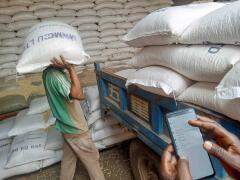
“eProd must be considered as a national seed traceability tool, a MELIA infrastructure for regional programmes, a digital registry (for the deployment of hybrid and climate-smart seeds) and a service platform for Innovation Platforms and seed SMEs.”
“AfricaRice is already working towards its integration into national extension systems, seed councils and digital agriculture strategies to ensure sustainable anchoring.”
TAAT has demonstrated that digital transformation fundamentally strengthens the delivery of seed systems, with eProd as the perfect example. This innovation illustrates how strategic investment in digital solutions accelerates scaling, strengthens accountability and consolidates the resilience of rice production systems in Africa.
Recent Stories



Related Stories
- TAAT Demonstrates that Food Systems Transformation and Sustainability Can Go Hand in Hand
- Guinea-Bissau: How TAAT is Cultivating the Next Generation of Agribusiness Leaders
- Inspired by Nature for Climate and for the Future: How TAAT is Scaling Nature-Based Agricultural Solutions Across Africa
- Liberia Hosts Seed Sector Investment Roundtable to Unlock Agricultural Transformation
- TAAT supports Productivity Design for Nigeria’s SAPZ Phase II Tranche II