 IITA – Bénin Campus, 08 BP 0932 Tri Postal, Cotonou – République du Bénin

 @Taat_Africa
 TAAT Africa
 @taatafrica


Somalia Bets on Seeds: TAAT Maps a Path From Fragmented Systems to Climate-Resilient Farming
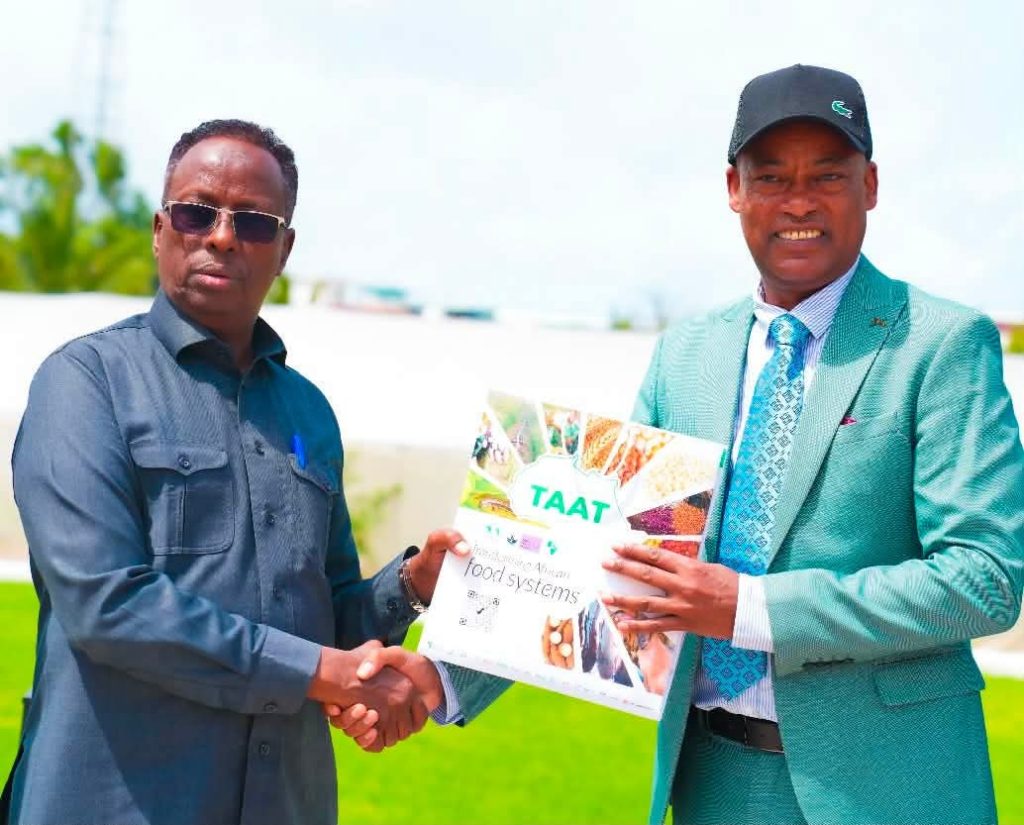
After a high-level mission to Mogadishu, TAAT and Somalia’s agriculture ministry have a validated plan to get better seed to farmers
For Somali farmers, a better crop variety is only useful if they can get it. Improved seed is scarce, the seed sector is still taking shape, and research and extension institutions lack capacity. Together, these have kept potential from turning into productivity.
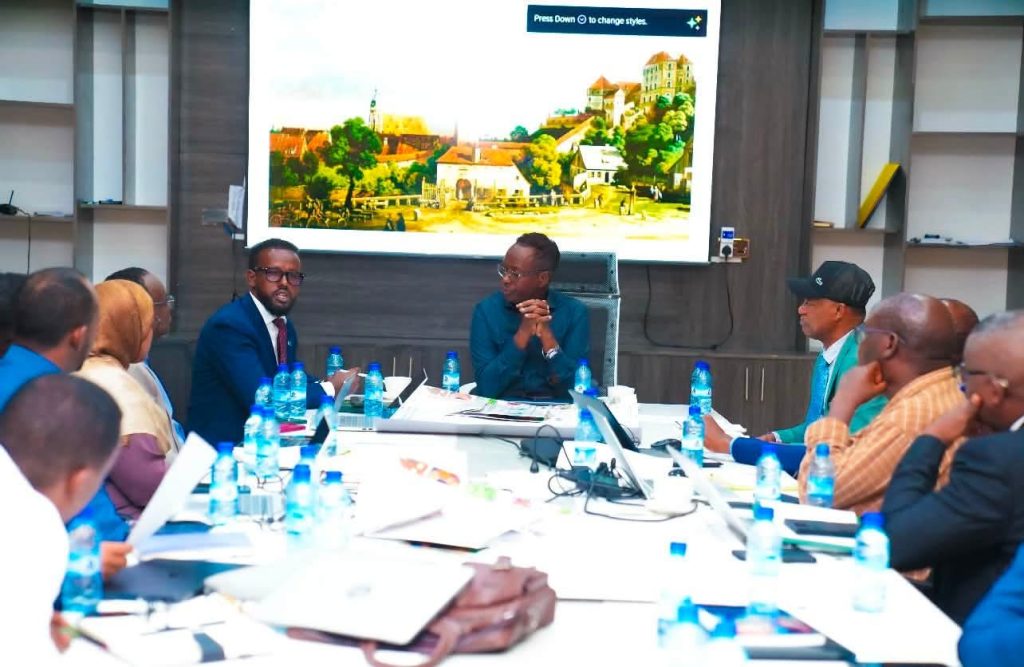
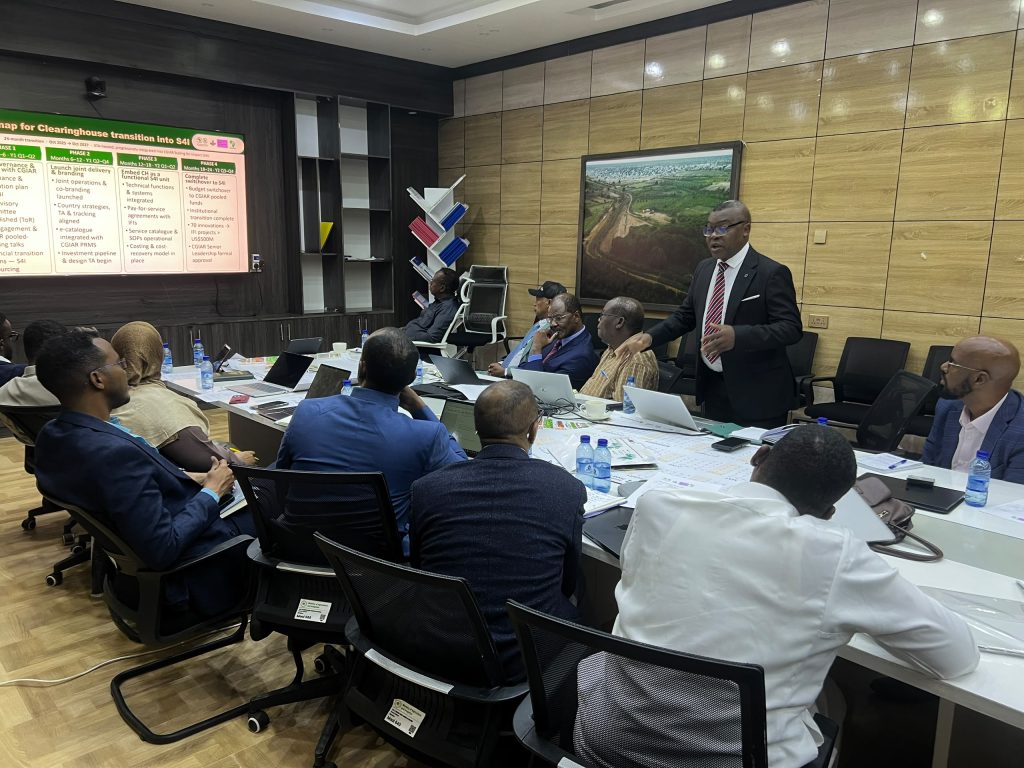
The Technologies for African Agricultural Transformation (TAAT) programme and Somalia’s Ministry of Agriculture and Irrigation (MoAI) now have a plan for closing that gap. It was shaped during a high-level TAAT mission to Mogadishu in July 2026, and it treats seed as the centre of Somalia’s agricultural transformation.
Seeds First
TAAT’s proposals start with the seed that reaches farmers. Through its Sorghum and Millet Compact, the programme is advancing climate-resilient, early-maturing and dual-purpose varieties. It is also advancing integrated approaches to managing Striga, a parasitic weed that threatens cereal production. Technical assistance will adapt these technologies to Somali conditions before wider deployment.
Introducing varieties is only half the job. Their potential is realised at scale only when quality seed moves through working production and distribution systems. TAAT is therefore proposing seed-sector reform, including:
- a National Seed Roadmap;
- a review and harmonisation of seed regulations;
- a National Seed Business Summit to advance a five-year roadmap for the sector.
The aim is a more supportive environment for local seed businesses and clearer pathways for improved varieties to reach farmers.
Building the Institutions Behind the Seed
Technology also needs institutions that can test, demonstrate and spread it. TAAT’s approach includes capacity development for Somalia’s agricultural research and extension systems. The goal is for national institutions to take on progressively greater responsibility for adapting, promoting, and scaling innovations beyond individual pilot projects.
Beyond Sorghum and Millet
The package reaches further:
- More crops: Improved varieties and technical assistance have been identified for possible introduction and scaling for maize, rice, wheat and vegetables.
- Digital tools: TAAT proposes a pilot of Seed Tracker, a digital platform to support seed-sector operations.
- Food safety: The mission flagged IITA’s Aflasafe technology for further assessment against aflatoxin contamination. A national assessment would determine how it could be adapted to Somalia.
- Wider constraints: Policy harmonisation support and an assessment of the fertiliser sector are also proposed.
The specific technologies and implementation pathways will be further developed with the Ministry to align with national priorities and local conditions.
From Mission to Action Plan
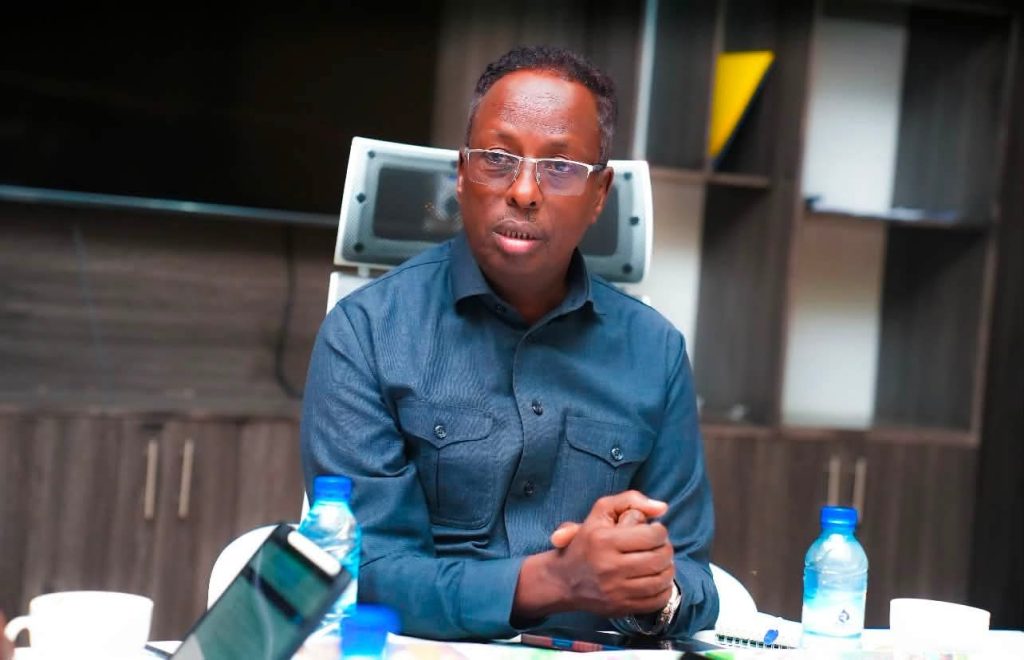
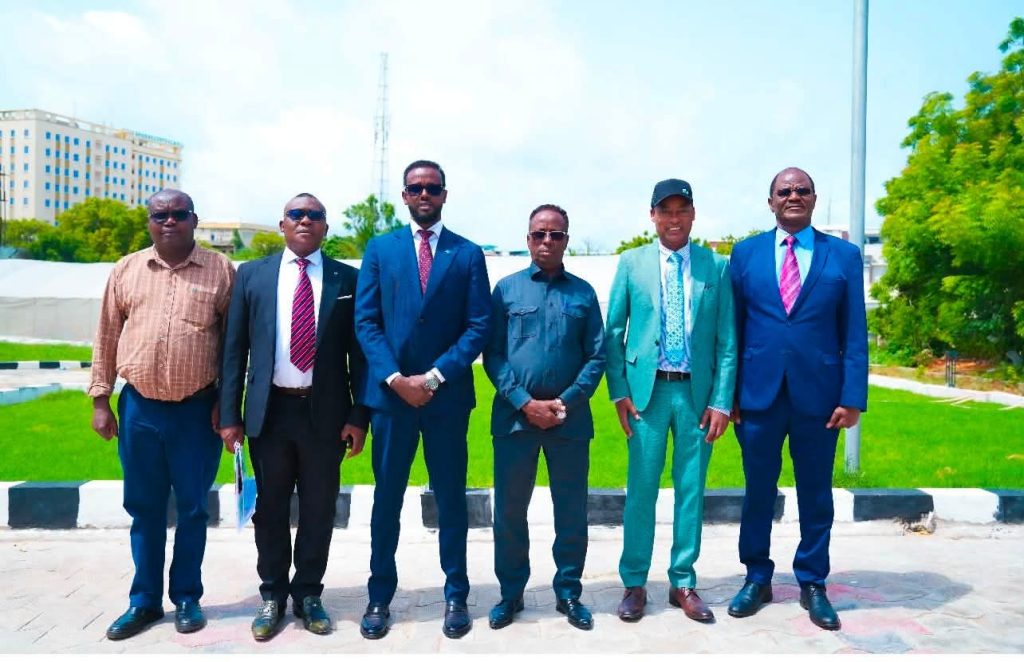
The mission brought TAAT’s technical experts together with senior officials, including the Minister of Agriculture and Irrigation, Hon. Mohamed Abdi Hayir, and the Ministry’s Director General, Eng. Mohamed Hassan Abdulle, as well as technical directors for research, extension, crop production, seed systems, plant protection, agribusiness and planning. In his opening remarks, the Minister highlighted the country’s progress in strengthening its agricultural institutions, policies and regulatory systems, setting an encouraging tone for deeper cooperation.
The talks produced a validated action plan running from the third quarter of 2026 to the fourth quarter of 2028. It rests on four pillars of policy and regulatory harmonisation, seed systems transformation, institutional support and capacity building, and knowledge management and partnerships.
From priority to delivery
The next step is turning priorities into delivery. The partners plan to prepare detailed technical recommendations, identify demonstration sites, develop concept notes for priority interventions and mobilise resources. The Beero Barwaaqee Soomaaliya (BBS) project and Somalia’s National Agricultural Transformation Strategy provide the national frameworks. TAAT and the Ministry have also agreed to work towards a Memorandum of Understanding to formalise their long-term collaboration. A proposed Joint Technical Working Group would coordinate implementation, clarify responsibilities and monitor progress.
The Hard Part
Significant challenges remain. Research and extension institutions need sustained investment, and the developing seed sector needs targeted support to strengthen local businesses and attract private investment.
Dr Solomon Gizaw, head of the TAAT Clearinghouse, said delivering the proposed interventions at scale “will also require resources, institutional coordination and continued engagement with national and development partners.” Those constraints, he said, “underline why technology introduction must go hand in hand with policy support, capacity development and investment planning.”
He framed the engagement as bigger than new varieties: “TAAT’s engagement in Somalia therefore represents more than the introduction of improved crop varieties. It is an effort to connect climate-resilient technologies with stronger seed systems, capable national institutions, supportive policies and pathways for sustained implementation.”
The plan is agreed on paper. The test now is whether it reaches Somali farmers, builds national capacity and contributes to the country’s long-term agricultural transformation.
Recent Stories
Related Stories
- Zimbabwe Hosts National Seed Summit to Accelerate Food Systems Transformation
- Seeing Is Believing: Nigeria’s Seed Industry Heads to the Field to Test Africa’s Next Generation of Crops
- From Research to Farmers’ Fields: TAAT and AFSTA Mobilise Africa’s Seed Industry to Scale Improved Crop Varieties
- Zimbabwe Charts a Bold Path for Food Systems Transformation through National Seed Roadmap
- Liberia Hosts Seed Sector Investment Roundtable to Unlock Agricultural Transformation