 IITA – Bénin Campus, 08 BP 0932 Tri Postal, Cotonou – République du Bénin
 @Taat_Africa
 TAAT Africa
 @taatafrica
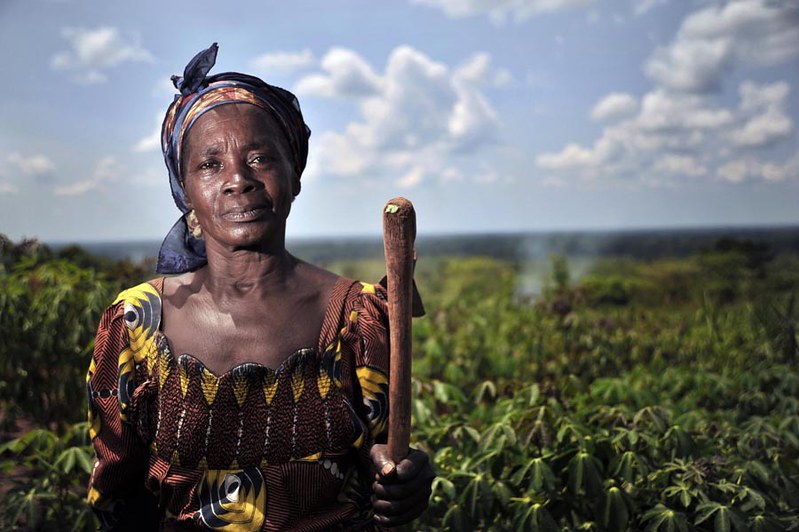
TAAT set to scale Regenerative Agriculture in the Central African Republic
From 16 to 21 March 2026, a joint mission by the Technologies for African Agricultural Transformation (TAAT) programme and the African Development Bank (AfDB) Group was conducted in Bangui, Central African Republic (CAR).
The high-level mission primarily aimed to finalise the Project Appraisal Report (PAR) for the Regenerative Agriculture and Agroforestry project (PARA), an ambitious initiative designed to strengthen climate resilience in the country’s agricultural sector.
The PARA project is part of a broader effort to transform agricultural systems through an innovative model combining regenerative agriculture with syntropic agroforestry.
Developed and successfully piloted by the Society of Sustainable Agricultural Industries (SIAD), an agricultural development initiative promoting regenerative agriculture and syntropic agroforestry systems in the CAR, this model has already restored over 406 hectares of degraded land, improved agricultural productivity, and reduced reliance on chemical inputs.
The next phase seeks to scale up the initiative to reach 1,600 smallholder farmers, 60% of whom are women, across the Lobaye and Mambéré-Kadéï regions.
During the mission, technical consultations with key stakeholders, including the Ministry of Environment and Sustainable Development (MEDD), the Ministry of Agriculture and Rural Development (MADR), and the United Nations Development Programme (UNDP), helped align the project’s institutional framework.
The project will be placed under the oversight of MEDD, in collaboration with MADR, while UNDP will be responsible for operational implementation, including fiduciary management and day-to-day execution.
A subsidiarity-based approach will enable the mobilisation of key technical partners, such as TAAT, the Central African Institute of Agronomic Research (ICRA), SIAD, and the National Seed Office (ONASEM), each contributing according to their respective areas of expertise.
The total project cost is estimated at USD 12.18 million, financed through a USD 5.845 million grant from the AfDB’s Climate Action Window (CAW), a USD 1.3 million contribution from UNDP, and an in-kind contribution from the Government of CAR valued at USD 5.036 million.
These resources will support four major components: the expansion of agroecological and agroforestry systems; the development of agro-processing and value chains; the strengthening of climate and digital skills; and project coordination and management.
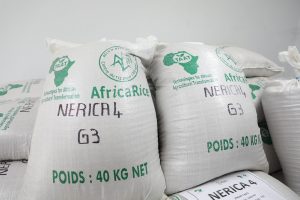
Particular emphasis will be placed on strengthening the seed system through the production of improved maize, soybean, and cassava seeds, alongside capacity building for national institutions such as the ICRA and the ONASEM.
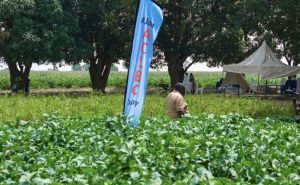
Technical training sessions, Farmer Field Schools, and demonstration activities will facilitate the dissemination of best practices among farmers.
In addition, innovative technologies, including bio-inoculants and digital climate monitoring solutions, will be introduced to enhance the resilience of agricultural systems.
The mission helped resolve outstanding misunderstandings regarding the operational approach, cost structure, and partner roles.
However, several priority actions remain essential to ensure the effective launch of the project: publication of environmental safeguard documents (P3P and PGP), establishment of the Project Management Unit (PMU), formalisation of technical partnerships, and completion of procedures for submission to the AfDB Board of Directors.
Thanks to a strong spirit of collaboration and consensus among stakeholders, the mission successfully consolidated the project’s technical and institutional foundations.
The next key milestone will be the presentation of the project to the AfDB Board of Directors, scheduled for May 2026.
According to Dr Christopher Suh, Regional Coordinator of TAAT for Central Africa, “The PARA project represents a major opportunity for the Central African Republic to sustainably transform its agriculture in the face of climate challenges.”
“By leveraging innovative approaches, strategic partnerships, and targeted investments, this initiative paves the way for a more productive, resilient, and inclusive agricultural sector in CAR,” he added.
Recent Stories
Related Stories
- Liberia Hosts Seed Sector Investment Roundtable to Unlock Agricultural Transformation
- Zimbabwe Hosts National Seed Summit to Accelerate Food Systems Transformation
- Seeing Is Believing: Nigeria’s Seed Industry Heads to the Field to Test Africa’s Next Generation of Crops
- From Research to Farmers’ Fields: TAAT and AFSTA Mobilise Africa’s Seed Industry to Scale Improved Crop Varieties
- TAAT and Partners present Zambia’s Seed Sector Assessment to Stakeholders