 IITA – Bénin Campus, 08 BP 0932 Tri Postal, Cotonou – République du Bénin
 @Taat_Africa
 TAAT Africa
 @taatafrica
Wheat in Africa: N’Djamena Declaration Charts Path Toward Food Security and Reduced Import Dependence
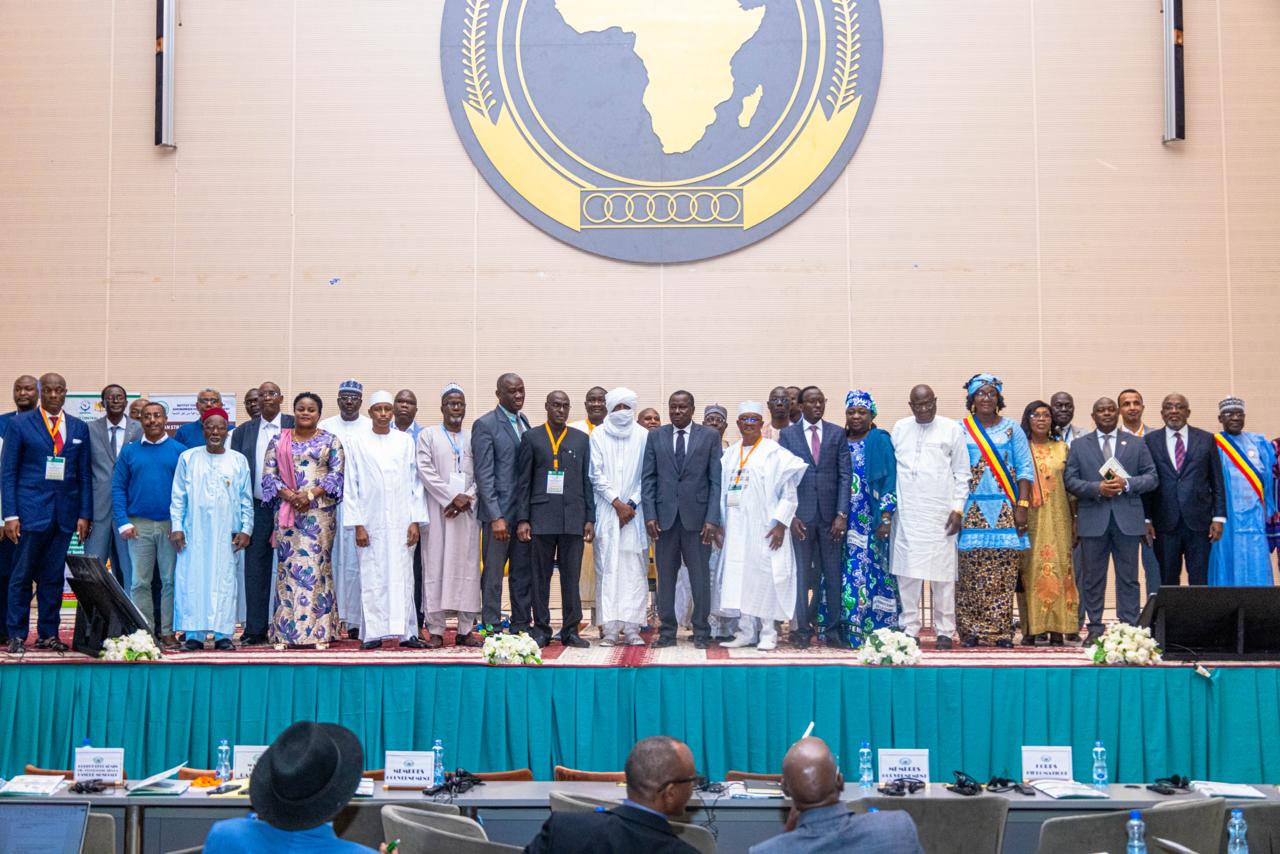
The 3rd Regional Wheat Summit of the West and Central Africa Wheat Development Network has concluded with a strong call for coordinated action to transform the wheat sector across West and Central Africa.
Held from 9–11 March 2026 in N’Djamena, the summit brought together policymakers, researchers, private sector actors, and development partners under the theme: “Accelerating Wheat Impact in West and Central Africa: Scaling Adoption, Driving Innovation, and Shaping Policy for Sustainable Growth.”
The event was hosted by the Chadian Institute of Agricultural Research for Development (ITRAD) under the patronage of the Prime Minister of Chad, with high-level participation from regional and international stakeholders, including the African Development Bank, Technologies for African Agricultural Transformation (TAAT), CGIAR Scaling for Impact Programme, International Centre for Agriculture in the Dry Areas (ICARDA), CORAF, and global wheat research networks.
A Region Facing Rising Demand and Growing Vulnerabilities
Participants highlighted a critical reality: demand for wheat across West and Central Africa is rising rapidly, driven by population growth, urbanisation, and shifting dietary preferences.
However, local production continues to lag behind demand, leaving countries heavily dependent on imports and vulnerable to global shocks, supply chain disruptions, and price volatility.
The summit underscored that this dependence poses a significant risk to food security, particularly amid climate change and geopolitical instability.
Unlocking Africa’s Wheat Potential
Despite current challenges, the summit reaffirmed the region’s strong potential to significantly increase wheat production.
Advances in agricultural research—particularly the development of heat-tolerant wheat varieties—alongside improved agronomic practices, mechanisation, and irrigation systems, are opening new opportunities for scaling production.
Participants emphasised that unlocking this potential will require a coordinated, multi-sectoral approach that integrates strong public policies, scientific innovation, private sector investment, and regional collaboration.
Strategic Priorities for Transformation
The summit concluded with a set of clear strategic directions to accelerate the growth of the wheat sector:
Making Wheat a Strategic Priority
Governments were urged to prioritise wheat within national and regional agricultural policies to strengthen food sovereignty and reduce import dependence.
Scaling Proven Technologies
Participants called for the rapid dissemination of climate-smart technologies, improved seed varieties, and mechanisation solutions tailored to local conditions.
Strengthening Seed Systems
Improving seed production, certification, and distribution systems was identified as essential to ensuring farmers’ access to high-quality inputs.
Investing in Research and Innovation
Increased funding for agricultural research and stronger collaboration among institutions were highlighted as key to developing resilient wheat systems.
Building Competitive Value Chains
The summit emphasised the need for investments in infrastructure—covering production, storage, processing, and marketing—to enhance competitiveness and create economic opportunities.
Empowering Women and Youth
Greater inclusion of women and youth in the wheat value chain was identified as critical for sustainable growth and job creation.

Toward a Continental Wheat Network
A major outcome of the summit was the proposal to expand WECAWheat into a continent-wide platform—potentially evolving into an Africa-wide Wheat Development Network.
This initiative aims to strengthen knowledge sharing, scale innovations, and enhance collaboration across all regions of Africa.
Learning from Success: The Ethiopian Model
Participants highlighted Ethiopia as a leading example of successful transformation in the wheat sector.
The country’s rapid progress in domestic wheat production—driven by strong policy support, investment, and public–private partnerships—was recognised as a model for replication across the region.
The summit recommended study tours and technical exchanges with Ethiopia, documentation of successful policy and financing models, and adaptation of best practices to local contexts.
The N’Djamena Call for Action
At the close of the summit, participants issued the N’Djamena Call, a collective commitment to transform the wheat sector through increased political commitment and investment, accelerated adoption of agricultural technologies, expansion of irrigated production systems, strengthened seed systems and research, enhanced public–private partnerships, and deepened regional cooperation.
This call represents a unified vision to position wheat as a pillar of food security, economic growth, and agricultural resilience in Africa.
Scaling Innovation for Food Systems Resilience
The summit also featured a forum on agricultural technologies aligned with the Food Systems Resilience Program (FSRP), where 23 proven innovations were identified as ready for scaling across the region.
A roadmap will guide the dissemination and adoption of these technologies to accelerate impact.
Senegal to Host Next Summit
In a forward-looking decision, participants approved Senegal as the host of the 4th WECAWheat Regional Wheat Summit. The 3rd WECAWheat Summit marks a critical milestone in Africa’s journey toward wheat self-sufficiency.
By aligning policy, research, investment, and partnerships, stakeholders are laying the groundwork for a resilient, inclusive, and competitive wheat sector—capable of feeding millions and reducing dependence on global markets.
Recent Stories


Related Stories
- TAAT Demonstrates that Food Systems Transformation and Sustainability Can Go Hand in Hand
- Ethiopia: TAAT and Partners Train Extension Agents to Scale Climate-Smart Wheat Production
- TAAT holds regional workshop for Seed Actors in fragile states
- Ethio-Seed Digital Platform: TAAT Facilitates National Seed Sector Modernisation Efforts
- TAAT fosters Regional Approach to Innovative Wheat Seed Enterprise Development