 IITA – Bénin Campus, 08 BP 0932 Tri Postal, Cotonou – République du Bénin
 @Taat_Africa
 TAAT Africa
 @taatafrica
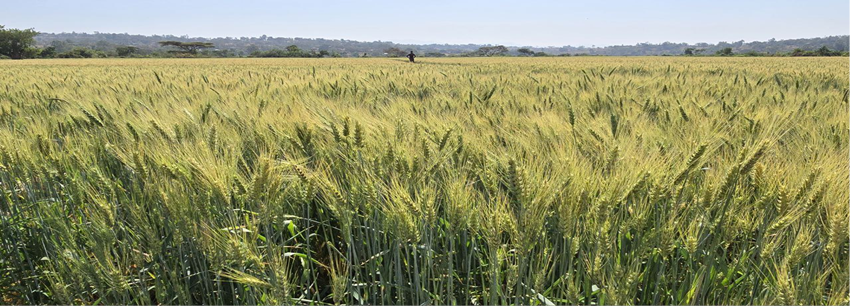
Ethiopia: TAAT and Partners Train Extension Agents to Scale Climate-Smart Wheat Production
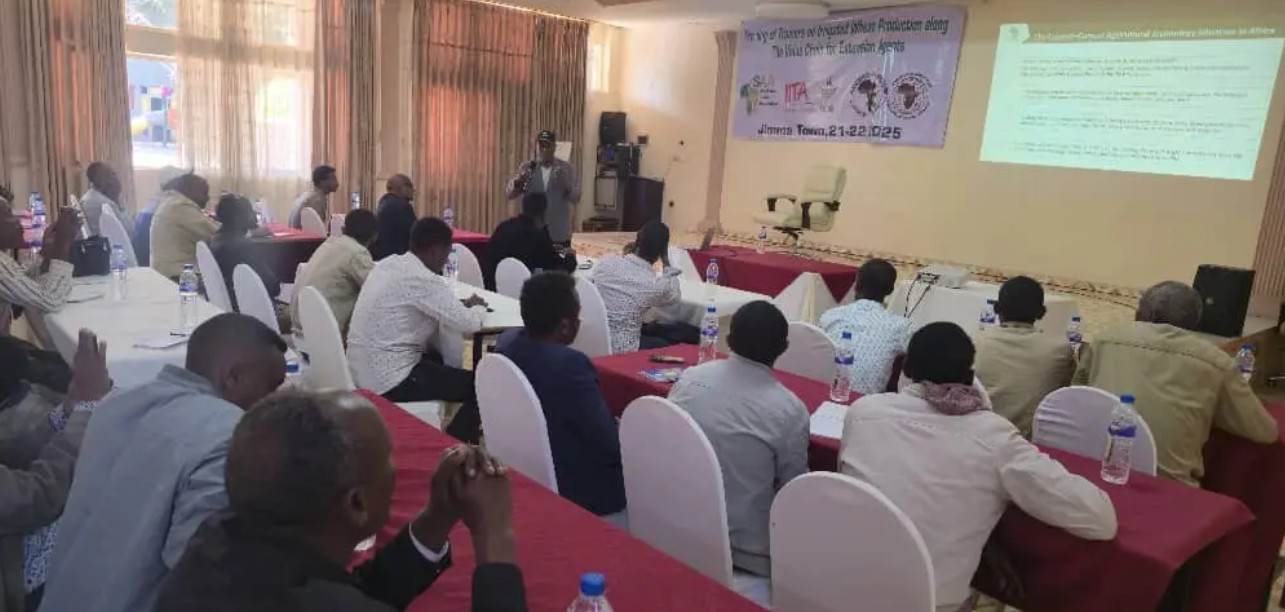
The Technologies for African Agricultural Transformation (TAAT), in collaboration with key partners, has conducted a Training-of-Trainers (ToT) programme to strengthen the capacity of agricultural extension agents and accelerate the adoption of climate-smart wheat production practices in Ethiopia.
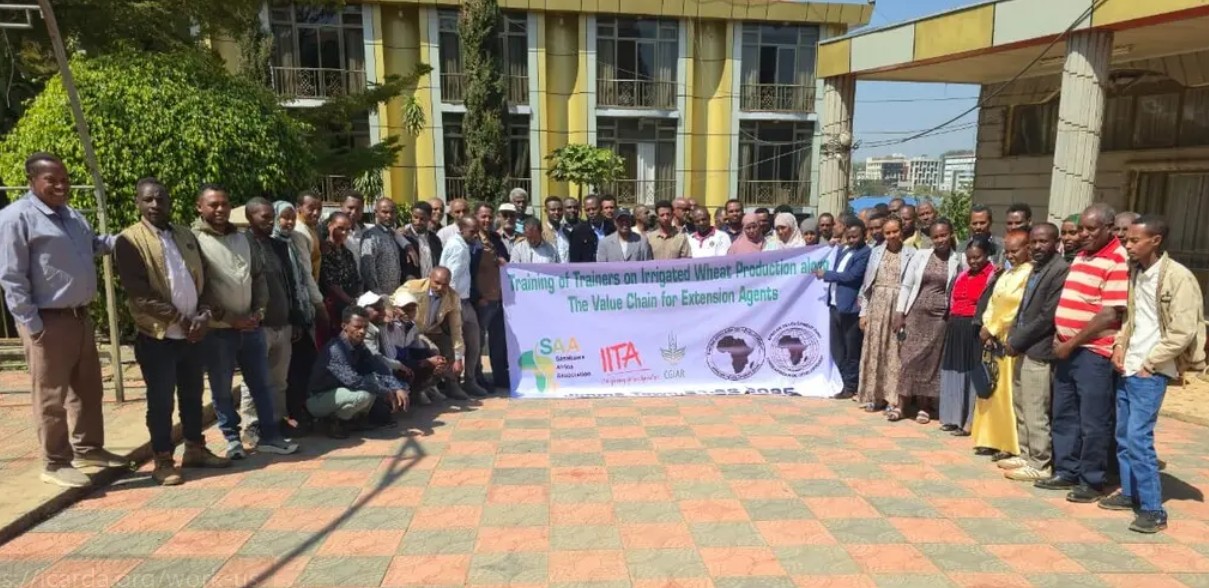
Held from 21–22 November 2025 in Jimma, the training brought together extension professionals and agricultural experts to enhance technical knowledge, improve productivity, and promote sustainable farming systems.
Strengthening Capacity for Climate-Smart Agriculture
The training was implemented under the TAAT Wheat Compact (TWC), led by the International Center for Agricultural Research in the Dry Areas (ICARDA), in partnership with the Sasakawa Africa Association (SAA) and the Ethiopian Institute of Agricultural Research (EIAR), with support from the African Development Bank through the Policy and Human Resource Development Grant.
A total of 73 participants, including 13 women, were trained, representing 11 districts across the Jimma Zone, including Dedo, Gera, Goma, Gumay, Kersa, Limu Kosa, Mencho, Nedhi Gibe, Seka Chekorsa, Shebe-Senbo, and Sokoru.
The ToT aimed to address technical knowledge gaps and promote the widespread adoption of Good Agricultural Practices (GAPs) for irrigated wheat production—an increasingly important component of Ethiopia’s agricultural transformation agenda.
Comprehensive Training for Improved Wheat Systems
Participants received both theoretical and hands-on training across key areas of wheat production:
1. Irrigated Wheat Agronomy
Site selection and land preparation
Use of improved wheat varieties
Planting methods and timing
Fertiliser application and crop rotation
Harvesting, post-harvest handling, and storage
2. Irrigation and Water Management
Irrigation scheduling and efficiency
Crop water requirements
Soil water retention and irrigation methods
3. Seed Production and Quality Assurance
Seed classification and purity
Differences between grain and seed production
Seed certification and quality systems
Post-harvest handling and storage
4. Integrated Pest Management (IPM)
Identification of major pests and diseases
Pest control strategies and safe pesticide use
Weed and insect management
5. TAAT Technical Support Framework
Participants were also introduced to TAAT’s broader mission, including its role in advancing the Feed Africa Strategy and deploying proven agricultural technologies across the continent.
Driving Impact Through Knowledge Transfer
The training is expected to have a multiplier effect, as participants committed to cascading the knowledge and practices within their respective communities.
Key outcomes include:
Enhanced technical capacity in wheat production and seed systems
Improved understanding of seed certification and quality assurance
Increased awareness of irrigation methods and pest management
Strengthened collaboration among partners
This effort is particularly significant for districts such as Nedhi Gibe and Seka Chekorsa, where Innovation Platforms are already operational, providing a foundation for scaling impact.
Challenges and Lessons Learned
Despite the progress made, several challenges were identified during the training, including:
Inefficient irrigation leading to nutrient leaching and crop yellowing
Lodging caused by over-irrigation
Uneven germination due to poor land preparation
Pest pressures, including damage from Quelea quelea
Soil fertility issues, including acidity and salinity
Limited access to irrigation water
These challenges underscore the need for continued technical support and adaptive management practices.
Recommendations for Scaling Impact
To sustain and expand the gains from the training, the following actions were recommended:
Strengthen community-level seed selection and production systems
Organise periodic refresher trainings and mentorship programmes
Enhance continuous technical backstopping for farmers and extension agents
Looking Ahead
As Ethiopia continues to expand irrigated wheat production, initiatives such as this ToT play a critical role in building the human and institutional capacity required for sustainable growth.
TAAT and its partners remain committed to scaling climate-smart agricultural solutions, strengthening seed systems, and supporting farmers to improve productivity and resilience in the face of climate change.
A complementary training on maize production is scheduled for the first quarter of 2026, further reinforcing efforts to transform Ethiopia’s agricultural sector.
Recent Stories

Related Stories
- TAAT Demonstrates that Food Systems Transformation and Sustainability Can Go Hand in Hand
- Wheat in Africa: N’Djamena Declaration Charts Path Toward Food Security and Reduced Import Dependence
- TAAT holds regional workshop for Seed Actors in fragile states
- Ethio-Seed Digital Platform: TAAT Facilitates National Seed Sector Modernisation Efforts
- TAAT fosters Regional Approach to Innovative Wheat Seed Enterprise Development