 IITA – Bénin Campus, 08 BP 0932 Tri Postal, Cotonou – République du Bénin
 @Taat_Africa
 TAAT Africa
 @taatafrica
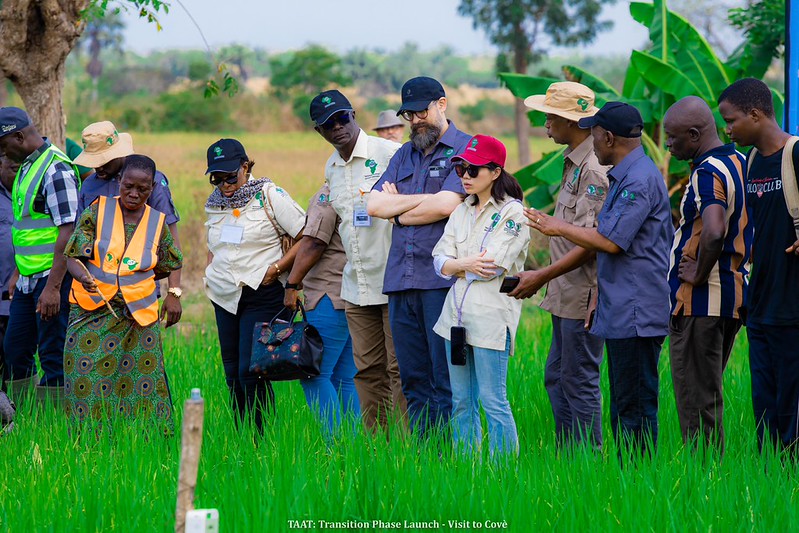
TAAT Demonstrates that Food Systems Transformation and Sustainability Can Go Hand in Hand
How Environmental, Social, Health and Safety Standards are Driving Inclusive Agricultural Growth Across Africa
As Africa strives to feed a growing population amid climate change, environmental degradation, and economic uncertainty, the need for agricultural transformation has never been greater. Yet increasing food production alone is not enough. Sustainable agricultural growth must also protect the environment, safeguard communities, create economic opportunities, and strengthen resilience to future shocks.
This is precisely the vision guiding the Technologies for African Agricultural Transformation (TAAT) programme.
Sponsored by the African Development Bank (AfDB) and implemented through a collaboration with CGIAR Centres and national partners, TAAT has embedded Environmental, Social, Health and Safety (ESHS) principles into every stage of programme implementation across Africa.
The result is a model of agricultural development that not only increases productivity and food security but also improves livelihoods, promotes inclusion, protects natural resources, and builds climate resilience.
Putting Sustainability at the Heart of Agricultural Transformation
In TAAT, the ESHS framework is anchored on five strategic pillars: environmental sustainability, social inclusion, health and safety management, stakeholder engagement, and regulatory compliance.
Through this integrated approach, the programme ensures that agricultural technologies are scaled responsibly while safeguarding farmers, communities, and ecosystems.
The programme promotes climate-smart agricultural technologies, responsible agrochemical management, biodiversity conservation, efficient water use, and integrated soil fertility management to reduce environmental impacts while boosting productivity.
At the same time, TAAT places strong emphasis on ensuring that women, youth, vulnerable populations, and smallholder farmers benefit equitably from agricultural innovations and market opportunities.
Transforming Lives Through Inclusive Growth
One of TAAT’s most significant achievements has been its contribution to job creation and improved livelihoods.
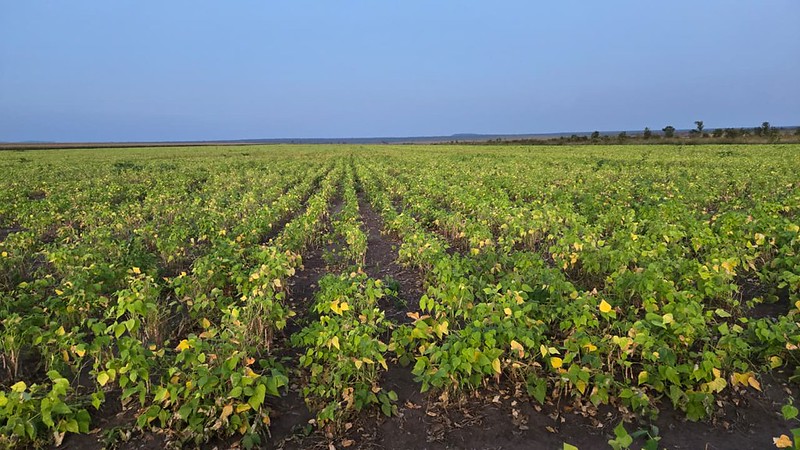
Across participating countries, the programme has stimulated employment opportunities through seed production enterprises, agro-dealership networks, mechanisation services, processing enterprises, and agricultural value chains.
Women and young people have emerged as key beneficiaries.
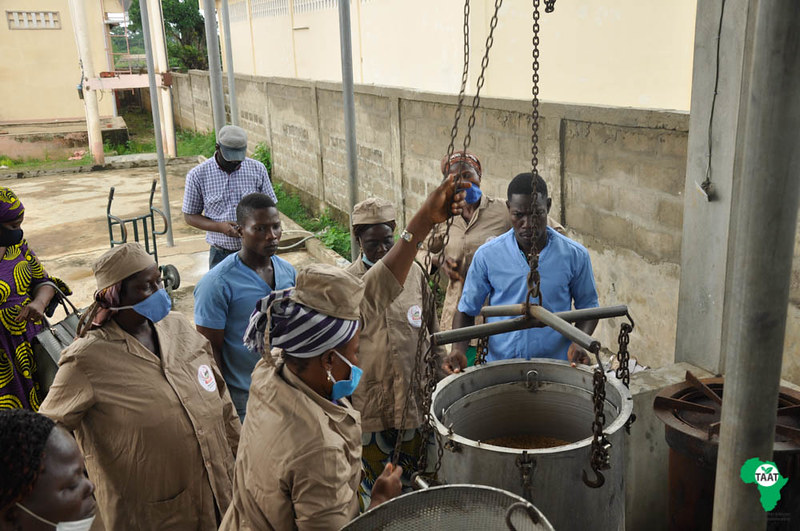
Within the Rice Compact, women are increasingly leading parboiling clusters, operating mechanisation services, and participating in digital agriculture initiatives. These interventions are enhancing incomes, strengthening household decision-making, and reducing long-standing barriers to participation in agricultural markets.
By expanding access to technologies, finance, training, and markets, TAAT is helping create a more inclusive agricultural economy across Africa.
Building Climate Resilience Through Innovation
Climate variability continues to pose a major threat to African food systems.
To address this challenge, TAAT has promoted the adoption of climate-smart technologies and stress-tolerant crop varieties that withstand drought, heat, floods, and other extreme weather events.
The programme has facilitated the distribution of hundreds of thousands of metric tonnes of certified seeds, including drought-tolerant maize and heat-tolerant wheat varieties. These technologies are helping farmers increase productivity while reducing vulnerability to climate-related shocks.
The result is stronger resilience, improved food security, and greater confidence among farming communities facing increasingly unpredictable climatic conditions.
Advancing Environmental Stewardship
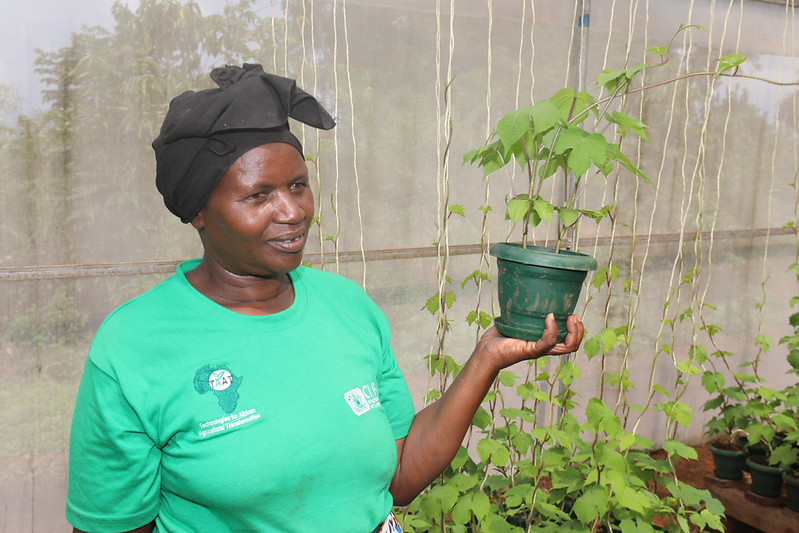
Environmental sustainability remains a central focus of TAAT’s interventions. The programme has institutionalised Good Agricultural Practices (GAP) across millions of farmers, promoting Soil conservation, Integrated pest management, Water-use efficiency, Sustainable land management, Responsible agrochemical use, and improved post-harvest handling.
These practices have contributed to increased agricultural productivity while minimising environmental degradation and preserving ecosystem health. TAAT also promotes awareness on pollution prevention, safe disposal of agrochemical containers, and responsible resource management throughout agricultural value chains.
Prioritising Health and Safety
Agriculture remains one of the most hazardous occupations globally.
Recognising this reality, TAAT has strengthened occupational health and safety awareness among farmers, extension workers, processors, and agribusiness operators. Thousands of stakeholders have received training on Safe handling of agricultural inputs, Personal protective equipment, Occupational safety procedures, Community health safeguards, and Environmental risk management
These interventions are helping create safer working environments while protecting farming communities from preventable risks.
Reducing Waste and Increasing Value
Food loss remains a major challenge across African agricultural systems.
By deploying advanced technologies such as ASI threshers, GEM parboilers, and hermetic storage systems, TAAT is significantly reducing post-harvest losses while improving product quality and market competitiveness.
Reducing waste contributes directly to food security, increased farmer incomes, and improved environmental outcomes.

Ensuring Accountability Through Strong Safeguards
TAAT’s ESHS implementation is fully aligned with the African Development Bank’s Integrated Safeguards System (ISS) and national environmental regulations in participating countries.
Dedicated Environmental and Social Safeguards Technical Assistants operating across West, Central, East, and Southern Africa conduct environmental screening, risk assessments, compliance monitoring, and stakeholder engagement activities.
This robust governance structure ensures that agricultural transformation is achieved responsibly and sustainably.
A Model for Africa’s Future
As African countries pursue ambitious food security and agricultural development goals, TAAT continues to demonstrate that productivity growth and sustainability are not competing priorities.
Through its integrated ESHS framework, the programme is showing that it is possible to increase food production, improve livelihoods, protect natural resources, empower women and youth, strengthen resilience to climate change, and safeguard communities simultaneously.
By placing people, the environment, and safety at the centre of agricultural transformation, TAAT is helping build a more sustainable and food-secure future for Africa.
Established in 2018 as a flagship of the AfDB’s Feed Africa Strategy, TAAT facilitates food systems transformation in Africa by providing access to path-breaking ag innovations, policy harmonisation, and robust seed systems. The TAAT Programme is a transformative initiative aimed at reversing the decline in food productivity in Africa.
The programme is partnership-driven, representing a collaboration between international financial institutions, the CGIAR Scaling for Impact Programme and Advanced Agricultural Research Institutes. TAAT operates through a Regional Technology Delivery Infrastructure comprising international, national, and regional research institutions, Farmer cooperatives, seed companies, extension service providers, and development partners.
So far, TAAT has integrated 71 cases of technologies into 14 large-scale projects and technical assistance into 21 projects across 24 countries, thereby influencing $857 million, and the integration of 136 cases of technologies into 18 large-scale projects across 21 countries, influencing $1.7 billion under the African Development Fund (ADF) concessional loans and grants window of the African Development Bank.
TAAT has reached 25 million farmers (62% of its 40 million target), produced 62 million MT of food, and generated $4.09 billion in agricultural value, integrating 238 technology use cases into projects across 31 countries, influencing $3.18 billion in investments to date.
Recent Stories
Related Stories
- African Development Bank approves phase II of TAAT programme
- TAAT wins National Association of Black Journalists Salute to Excellence Award
- TAAT records transformational breakthroughs in African agriculture as Phase I ends
- Sustainable cassava seed system is crucial to fighting hunger in Africa – Chief Olusegun Obasanjo
- TAAT gets $27 million boost for emergency production of 120 million tonnes of food