 IITA – Bénin Campus, 08 BP 0932 Tri Postal, Cotonou – République du Bénin
 @Taat_Africa
 TAAT Africa
 @taatafrica
Guinea-Bissau: How TAAT is Cultivating the Next Generation of Agribusiness Leaders
Guinea-Bissau’s agricultural sector remains a critical source of livelihoods and employment, particularly for young people and women.
However, the sector continues to face significant challenges, including limited access to modern agricultural technologies, weak entrepreneurial and agribusiness capacity, low productivity, and insufficient technical support services.
These constraints have contributed to high youth unemployment and reduced the attractiveness of agriculture as a viable business opportunity.
To address these challenges, Technologies for African Agricultural Transformation (TAAT), through its Youth in Agribusiness Compact (ENABLE-TAAT), is providing technical assistance to young people in Guinea-Bissau under the Support Value Chain Development and Agricultural and Rural Entrepreneurship Project (PACVEAR II), implemented in collaboration with the World Food Programme (WFP).
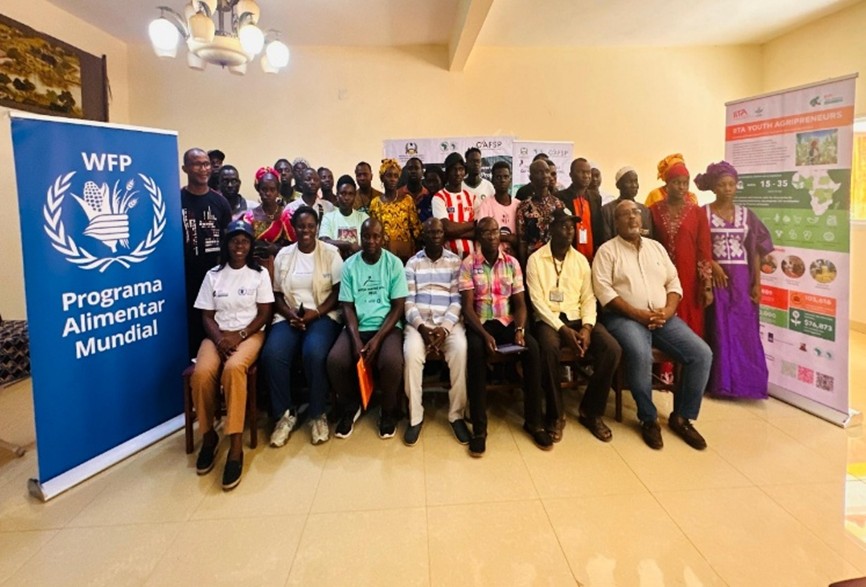
TAAT trained more than 150 young people and women from several cooperative groups across the regions of Mansoa, Oio and Gabu on the project’s key agricultural value chains.
According to Noel Mulinganya, the ENABLE TAAT Compact Lead, “efforts are underway to establish the necessary infrastructure and mechanisms to enable young people to promote, disseminate and scale TAAT technologies.”
“TAAT e-catalogs are also made available to support their access to information on available technologies and facilitate knowledge exchange and networking among peers through the Youth in Agribusiness Network,” Mr Mulinganya added.
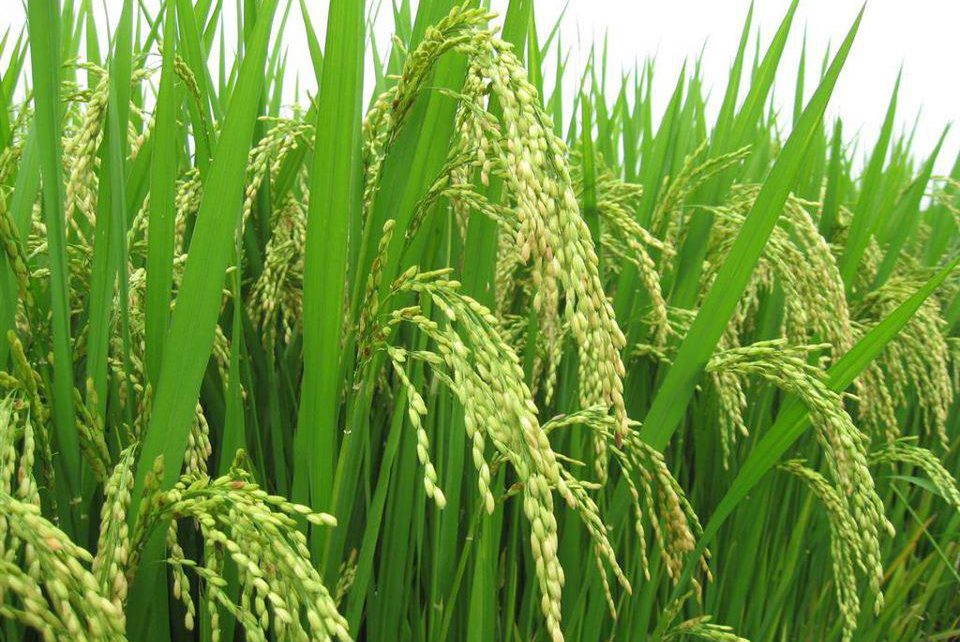
Through this strategic intervention, TAAT is empowering young people and women in Guinea-Bissau by equipping them with the skills, knowledge, and tools needed to become active players in the agricultural sector. By strengthening youth-led agribusiness initiatives and promoting access to proven agricultural technologies, TAAT is helping create sustainable employment opportunities, enhance productivity, and support the transformation of key agricultural value chains, such as rice and vegetables, across the country.
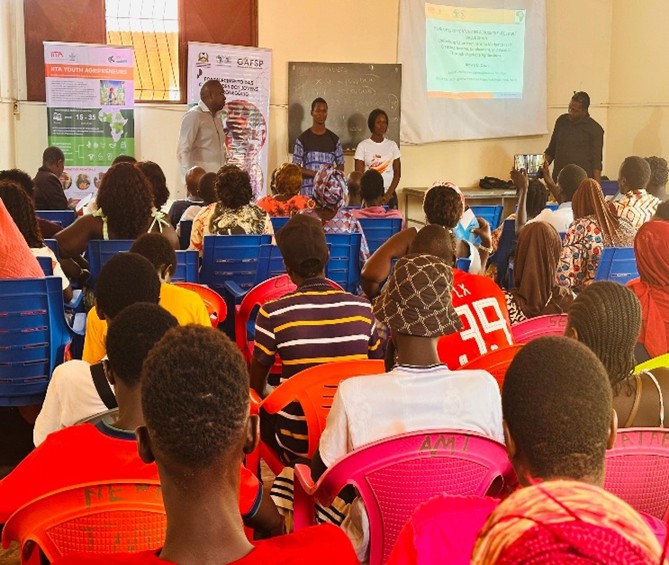
The PACVEAR II Project in Guinea-Bissau, financed by the African Development Bank (AfDB) and the Global Agriculture and Food Security Programme (GAFSP), is a $ 6.88 million initiative focused on strengthening rice and horticulture value chains, boosting rural entrepreneurship, and improving food security.
Implemented in the regions of Bafatá, Oio, and Gabú, the project promotes inclusive and sustainable farming practices, supports enterprises across production, processing, and marketing, and integrates gender-sensitive approaches to ensure women’s participation.
By linking smallholder farmers to markets and schools through a school-feeding component, PACVEAR II raises productivity and rural incomes while enhancing child nutrition. This creates a virtuous cycle of resilience, employment, and community development in one of West Africa’s most fragile contexts.
Recent Stories
Related Stories
- From Hoe to Hustle: TAAT underlines why Africa’s Farms Need a Youth Rebrand
- TAAT to showcase climate-smart soybean opportunities at Kenya’s Agribusiness Trade Fair 2026
- TAAT fosters Regional Approach to Innovative Wheat Seed Enterprise Development
- TAAT Demonstrates that Food Systems Transformation and Sustainability Can Go Hand in Hand
- Malawi: How TAAT is Unlocking Soybean Productivity for improved human and animal nutrition