 IITA – Bénin Campus, 08 BP 0932 Tri Postal, Cotonou – République du Bénin
 @Taat_Africa
 TAAT Africa
 @taatafrica

Comoros: TAAT targets Food Systems Resilience through Innovations and Entrepreneurship
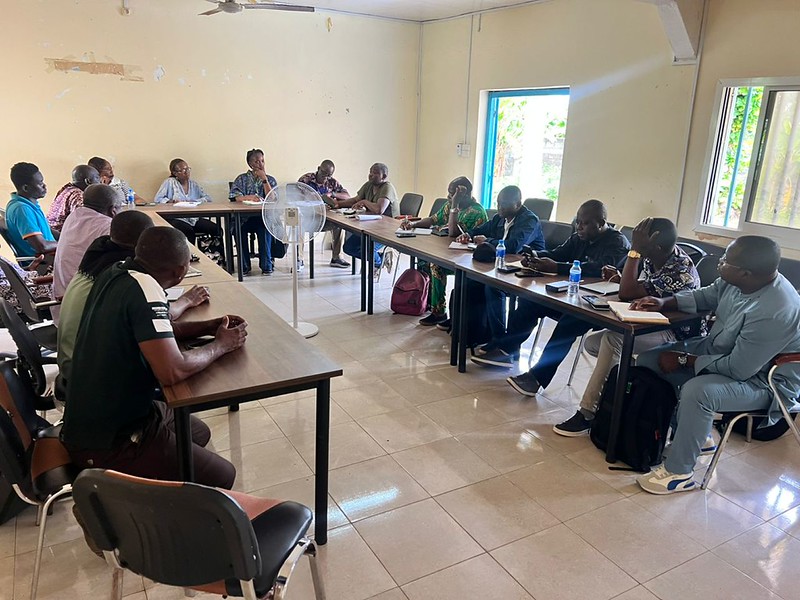
The Technologies for African Agricultural Transformation (TAAT) programme, in collaboration with the African Development Bank Group, has successfully supported a strategic preparation mission in the Union of the Comoros for the Youth and Women Entrepreneurship for Climate Change Adaptation Project (PEJFACC).
Held from 23 March to 2 April 2026 across the islands of Grande Comore, Mohéli, and Anjouan, the mission represents a key step towards creating sustainable employment opportunities and strengthening climate resilience within the country’s agricultural sector.
The PEJFACC project seeks to address one of the major challenges facing the Comoros: high youth unemployment, low agricultural productivity, and a strong dependence on food imports.
With more than half of the population under 20 and youth unemployment exceeding 40%, the project seeks to create decent, sustainable jobs while promoting the development of competitive agribusinesses led by young people and women.
With an estimated total cost of 15 million Units of Account, including financing from the African Development Fund and additional resources to be mobilised from partners, the project will focus on priority value chains, notably poultry, vegetables, and potatoes, with potential expansion into rice production.
Field visits conducted across the three islands provided valuable insights into both opportunities and constraints. At the Rural Economic Development Centres (CRDE) level, identified as operational hubs of the project, the mission assessed infrastructure, technical capacities, and the potential to scale innovations.
In Mohéli, women’s cooperatives face significant equipment constraints, while a poultry enterprise led by a young entrepreneur, managing over 3,000 birds, demonstrates the viability of agribusiness when adequately supported. In Anjouan, SMEs engaged in fruit processing and poultry production illustrate the strong potential of local value chains.
One of the most notable examples is the “Blue Village” in Grande Comore, where a cooperative of over 100 members has established an integrated model combining agricultural production, food processing, and waste recycling. This model represents a promising benchmark for scaling agribusiness development.
Despite this potential, the mission identified several major constraints. Access to finance remains limited, with only about 1% of total bank credit allocated to the agricultural sector. To address this, the project plans to leverage digital financial solutions, including the systematic use of mobile money, in order to strengthen financial inclusion and facilitate access to credit.
Furthermore, regulatory challenges, such as the double taxation of agricultural products across islands, continue to hinder market integration and value chain development. Addressing these constraints will be essential to unlocking the sector’s full potential.
The project is structured around three main pillars: Enhancing productivity and climate resilience through the introduction of climate-smart agricultural technologies, particularly those promoted by TAAT; Promoting youth and women’s entrepreneurship through structured support pathways, practical training, and improved access to finance; and Strengthening institutional capacity to ensure effective, coordinated, and sustainable project implementation.
Particular emphasis will be placed on practical learning approaches, including demonstration sites, farmer field schools, and “living labs”.
The PEJFACC project is fully aligned with the national priorities of the Comoros, particularly the Comoros Emerging Plan 2030, which positions agriculture as a key driver of inclusive growth, food security, and climate resilience.
According to Dr Christopher Suh, Regional Coordinator of TAAT for Central Africa, “the Comoros possess exceptional human potential that remains largely underutilised. By 2030, with structured and sustained support from public stakeholders and technical partners, young people will be able to fully realise their capacities and become true drivers of the country’s agricultural and economic transformation.”
With an appraisal mission scheduled for September 2026 and approval expected by the end of the year, this project represents a major opportunity to sustainably transform the agricultural sector in the Comoros.
Through the synergy between TAAT, the African Development Bank, and national stakeholders, this initiative aims to empower a new generation of agripreneurs by creating economic opportunities, strengthening resilience, and driving sustainable development across the islands.
Recent Stories
Related Stories
- From Hoe to Hustle: TAAT underlines why Africa’s Farms Need a Youth Rebrand
- TAAT fosters Regional Approach to Innovative Wheat Seed Enterprise Development
- Malawi Hosts Soybean Brown Field Day to Showcase TAAT Technologies and Boost Value Addition
- TAAT Hosts Training of Trainers Workshop on Aquaculture Technologies in Benin
- Benin: TAAT hosts Green Field Day, Showcases Wheat Potential