 IITA – Bénin Campus, 08 BP 0932 Tri Postal, Cotonou – République du Bénin

 @Taat_Africa
 TAAT Africa
 @taatafrica

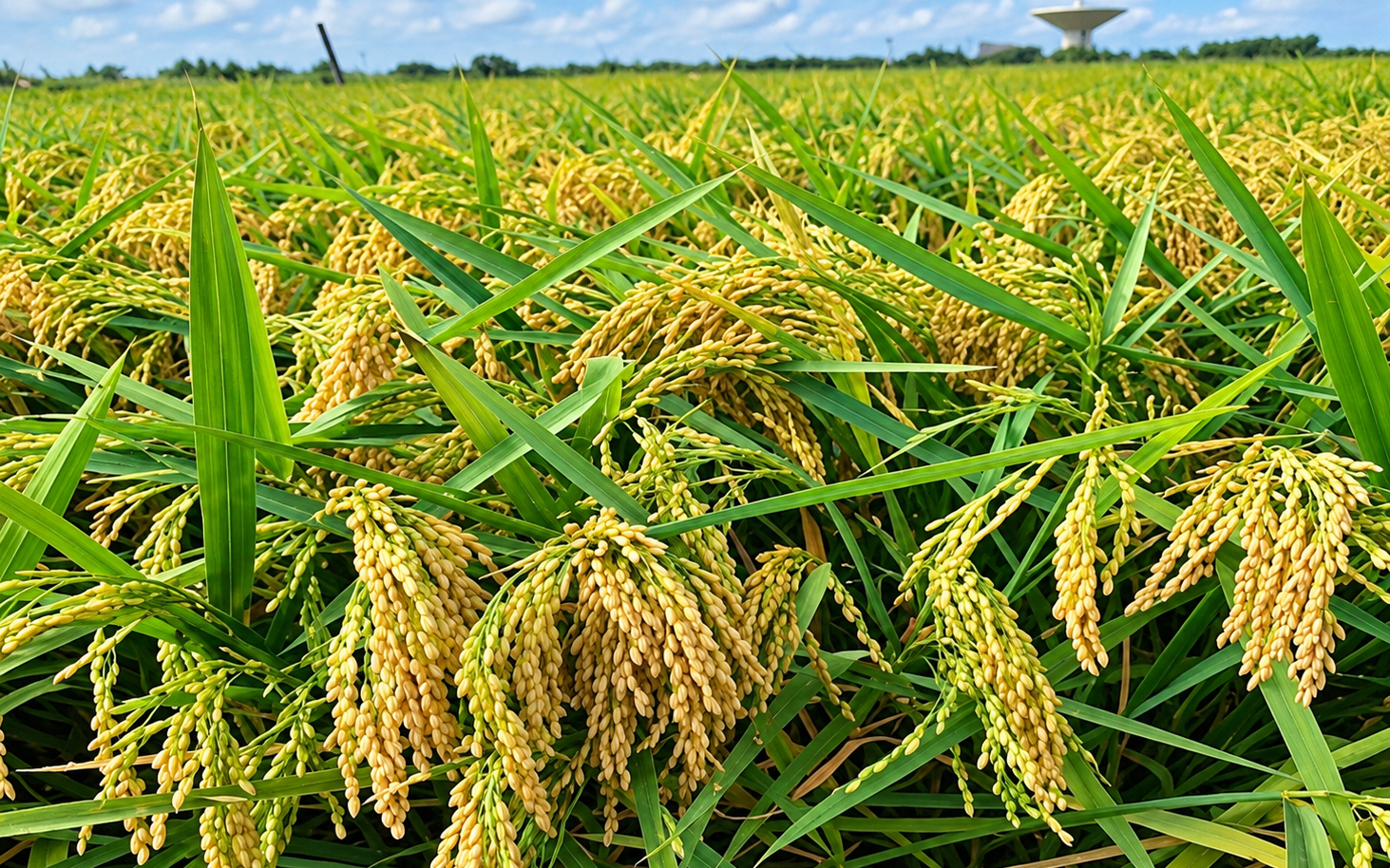
Grow It, Mill It, Buy It Local: TAAT Rallies Uganda’s Rice Value Chain Against Imports
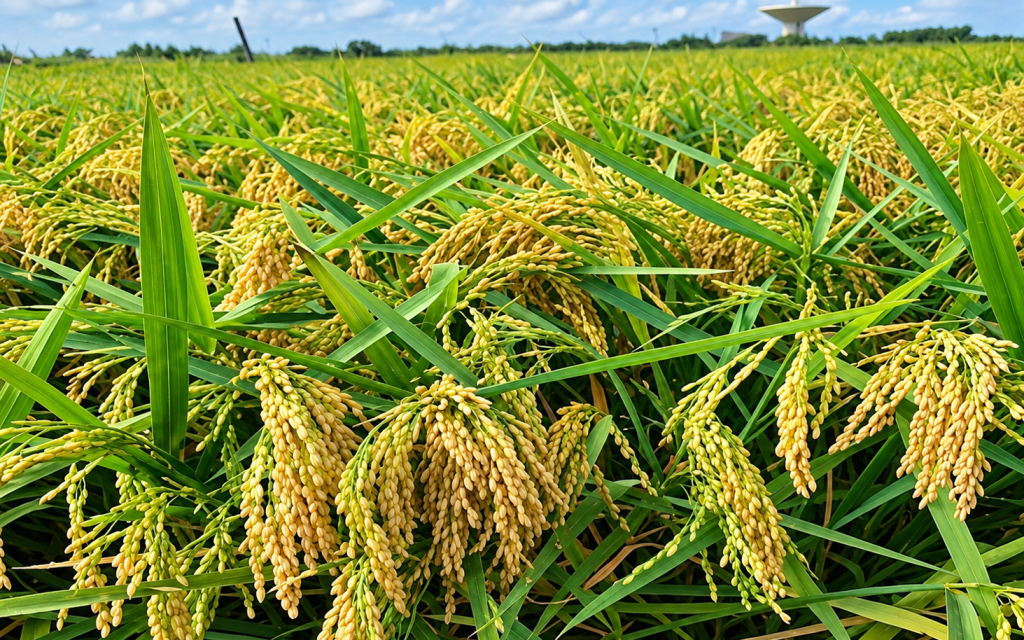
Three-day national dialogue and seed fair will broker deals to scale climate-smart rice technologies
The TAAT Rice Compact, in collaboration with the National Crops Resources Research Institute (NaCRRI), part of the National Agricultural Research Organisation (NARO), and AfricaRice, will host a national Business-to-Business (B2B) dialogue and seed and technology fair from 21 to 23 October 2026, to speed up the market-driven scaling of climate-smart rice technologies in Uganda.
Rice is Uganda’s second most important cereal after maize, and demand is rising with population growth and urbanisation. Yet the country still imports about a third of the rice it consumes, and its mills run at about 59% of installed capacity, largely because farmers have no contractual link to millers (MAAIF, 2023).
The event is designed as a deal-making process rather than an exhibition. Seed companies, millers, mechanisation providers, financiers, farmer cooperatives and government agencies will register their offers and needs in advance, meet in pre-scheduled one-to-one sessions, and record commitments that will be followed up on after the event.
The programme opens on 21 October at Namulonge with a high-level ceremony, followed by presentations of TAAT II rice delivery models and innovation packages. A policy dialogue will then address a central question: how to replace imported rice with domestically produced rice by 2030. The day ends with a seed and rice processing fair.
On 22 October, the focus shifts to business. Six B2B roundtables at Namulonge will cover seed supply, off-take, mechanisation, processing and quality, finance, and import substitution, as well as a session on building a rice seed network. At the same time, farmers will take part in a field visit in Zirobwe, Luwero.
The final day, 23 October, moves to the field. A field day at the Doho Rice Irrigation Scheme in Butaleja will showcase climate-smart practices, post-harvest mechanisation and milling quality. The event closes in Mbale with a regional dialogue and a joint communique. Under the Technologies for African Agricultural Transformation (TAAT) programme, financed by the African Development Bank, climate-smart rice varieties yielding between 4 and 7 tons per hectare, improved seed systems, mechanisation, parboiling and milling technologies and digital advisory services have been introduced across partner countries. The event aims to connect these technologies to the businesses and investors who can scale them in Uganda.
The organisers are targeting about 160 participants, at least 60 one-to-one business meetings, at least 25 recorded commitments and at least five off-take or out-grower agreements. At least 30% of participants will be women, and at least 30% youth.
The event supports Uganda’s National Rice Development Strategy II (2020-2030), which aims to raise paddy production from about 247,000 tonnes in 2022 to 663,000 tonnes by 2030.
Recent Stories
Related Stories
- TAAT Demonstrates that Food Systems Transformation and Sustainability Can Go Hand in Hand
- Uganda Imports a Third of Its Rice, TAAT, AfricaRice and Partners Aim to Change That
- Nigeria: TAAT and Partners target Impact at Scale through Extension Master-Trainers
- Liberia Hosts Seed Sector Investment Roundtable to Unlock Agricultural Transformation
- TAAT and Partners Target Bumper Rice Harvest in Benin