 IITA – Bénin Campus, 08 BP 0932 Tri Postal, Cotonou – République du Bénin

 @Taat_Africa
 TAAT Africa
 @taatafrica

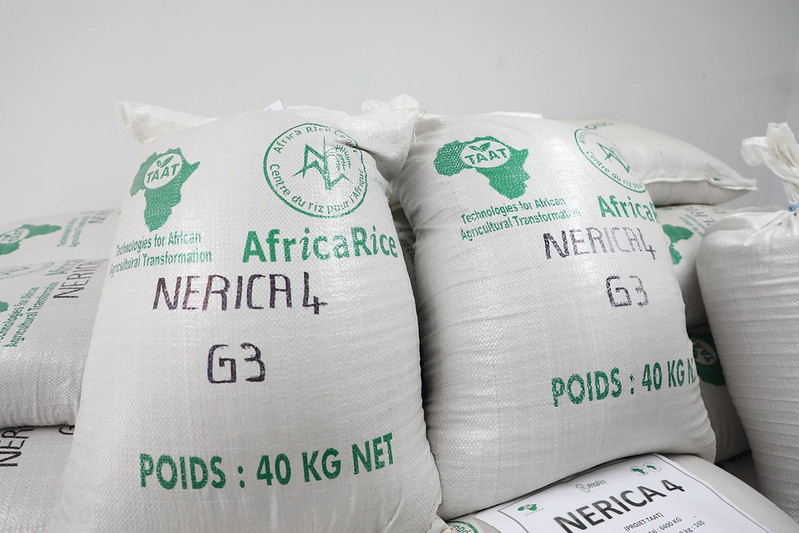
Uganda Imports a Third of Its Rice, TAAT, AfricaRice and Partners Aim to Change That
A national B2B dialogue and seed fair will try to connect farmers, millers, seed companies and financiers with signed deals, not just good intentions
Uganda’s rice problem is not a shortage of demand or of technology. It is a shortage of connections.
Rice is the country’s second most important cereal after maize, and consumption is rising with population growth and urbanisation. But Uganda still imports about a third of the rice it eats. Its mills, meanwhile, run at roughly 59% of installed capacity, largely because farmers and millers have no contractual link, according to figures from the Ugandan Ministry of Agriculture, Animal Industry and Fisheries (MAAIF). Machines sit idle while imported grain fills the gap.
From 21 to 23 October, the Rice Compact of Technologies for African Agricultural Transformation (TAAT), in collaboration with Africa Rice Centre and the National Crops Resources Research Institute (NaCRRI), will try to close that gap with a national business-to-Business dialogue and seed and technology fair, running from Namulonge to Luwero, Butaleja and Mbale.
A deal desk, not a trade show
The organisers say a one-off exhibition, however well attended, will not shift the market. So, the event is built around a deal desk. Before the event, seed companies, millers, mechanisation providers, financiers and cooperatives register what they offer and what they need. On Day 2, pre-scheduled 20-minute one-to-one meetings put them across the table, with templates for letters of intent, MoUs and off-take agreements ready to sign.
The targets are specific: at least 60 one-to-one meetings, at least 25 recorded commitments with ten or more signed, and at least five off-take or out-grower agreements. Each commitment is recorded in a register and followed up on at three and six months, with results tabled at the National Rice Platform.
The design draws on evidence from the region. The organisers point to a randomised study in Benin in which rice farmers offered a production contract by a miller saw yields rise by about 473 kg per hectare, or 29%, and per capita income by 52%. Once price risk was removed, farmers tackled other constraints themselves.
Technologies that are ready
On Day 1 at Namulonge, delegates will see what the TAAT programme, financed by the African Development Bank, has put in place: climate-smart varieties yielding 4 to 7 tons per hectare, improved seed systems, mechanisation, parboiling and milling technologies, and digital advisory tools. A seed and rice processing fair will showcase products from NARO, seed companies, and input dealers, and visitors can join a blind tasting comparing domestic and imported rice.
A policy dialogue with MAAIF, trade, finance and standards officials, an importer, a miller and farmer representatives will tackle one question: which public-private arrangements can replace imported rice with competitive domestic rice by 2030? Topics include grading and enforcement of the milled-rice standard, and the use of institutional buyers such as schools, prisons, and security forces as anchor markets.
Quality is part of the answer
Organisers say import substitution will be won on both quality and volume. Sessions will cover milling quality, grading against the East African milled-rice standard (EAS 128), branding and traceability, because urban buyers who currently choose imports look for clean, consistent rice.
From Namulonge to the paddies
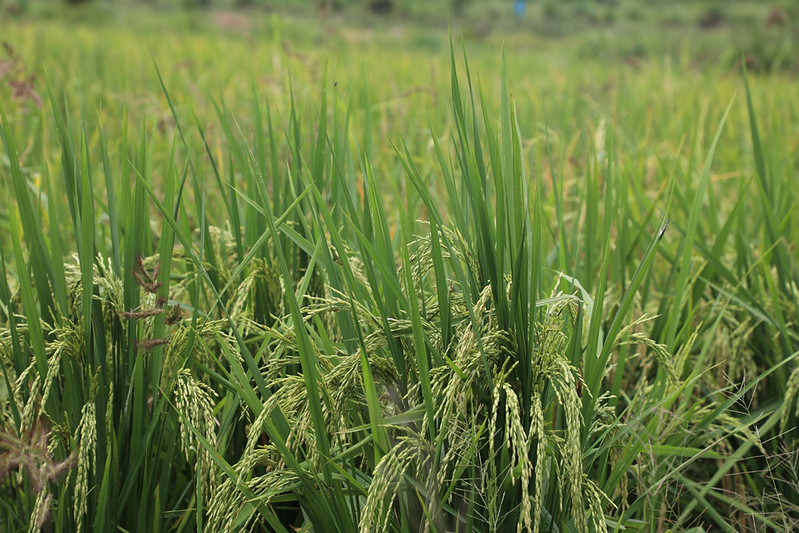
While business sessions run at Namulonge on Day 2, farmer leaders, extension agents and youth groups will visit farmers and millers in Zirobwe, Luwero, to see upland climate-smart varieties and a local aggregation and milling point. On Day 3, the focus moves east to the Doho Rice Irrigation Scheme in Butaleja for demonstrations of water management, harvest and post-harvest mechanisation, drying, storage and milling quality, before a regional dialogue in Mbale.
Who is at the table
About 160 participants are expected, including seed companies, agro-industrial rice companies, banks and microfinance institutions, mechanisation providers, cooperatives, rice producer groups, development partners, researchers, universities, and the media. The African Development Bank’s TAAT II Task Manager and the TAAT Clearinghouse’s private-sector engagement officer will present investment opportunities and help broker deals. The organisers have set quotas of at least 30% women and 30% youth.
The target behind it
The event feeds into Uganda’s National Rice Development Strategy II, which aims to lift paddy production from about 247,000 tonnes in 2022 to 663,000 tonnes by 2030. Whether this week’s handshakes become paddy contracts, seed orders, and milled rice on shelves will be what the organisers measure at three, six, and twelve months.
According to Dr Titus Alicai, NaCRRI Director and Host, “Uganda has rice varieties that perform and technologies that are ready. What has been missing is the business link between the farmer, the seed company and the miller. This dialogue is designed to build that link and to turn good intentions into agreements people can act on.”
Dr Sali Atanga Ndideng, the TAAT Rice Compact Coordinator and Rice Sector Programme Leader at AfricaRice believes that “technologies only scale when the whole package works together: the variety, the seed, the machine, the processing and, above all, the buyer. Our focus in Uganda is on finding the weakest link in each package and fixing it with the private sector.”
“TAAT has shown that climate-smart rice technologies can deliver,” Geoffrey Nsofon, the TAAT Private Sector Lead, averred. “The next step is to connect them with businesses and investments so they can reach farmers at scale. We want to see bankable deals come out of this event, including those led by women and young people,” Mr Nsofon said.
“A handshake in a conference hall is only the start. We will record every commitment, follow it up at three and six months, and help connect the strongest proposals to investment,” he added.
To the government of Uganda, reducing rice imports is a national priority under the National Rice Development Strategy II. Getting there requires the public and private sectors to plan, finance, and deliver together, and this event puts both at the same table.
Recent Stories
Related Stories
- Grow It, Mill It, Buy It Local: TAAT Rallies Uganda’s Rice Value Chain Against Imports
- TAAT Demonstrates that Food Systems Transformation and Sustainability Can Go Hand in Hand
- Liberia Hosts Seed Sector Investment Roundtable to Unlock Agricultural Transformation
- Seeing Is Believing: Nigeria’s Seed Industry Heads to the Field to Test Africa’s Next Generation of Crops
- From Breeders to Farmers: TAAT Brings Seed Technologies Closer to the Market in Nigeria