 IITA – Bénin Campus, 08 BP 0932 Tri Postal, Cotonou – République du Bénin
 @Taat_Africa
 TAAT Africa
 @taatafrica
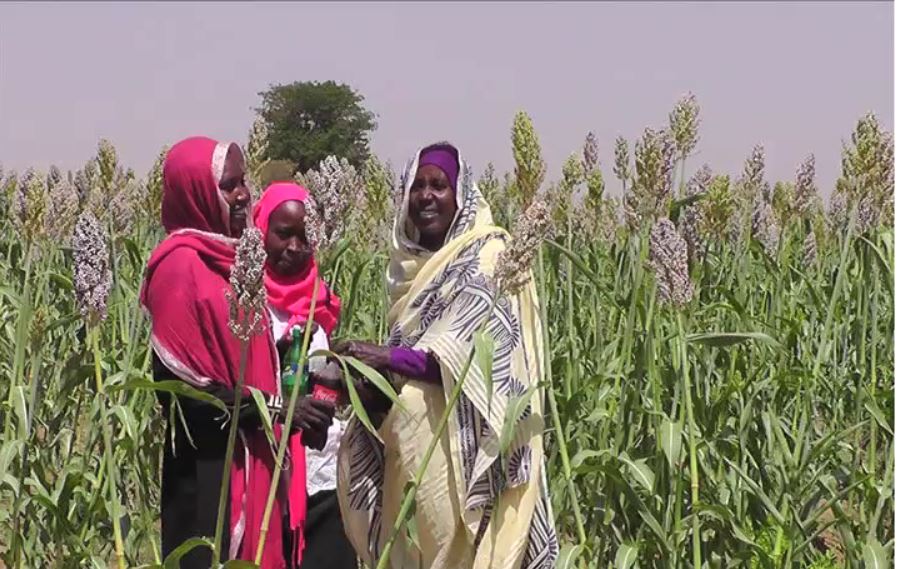
TAAT and Partners target Sustainable Sorghum Seed System in Senegal
As part of its mission to accelerate agricultural transformation across Africa, the Technologies for African Agricultural Transformation (TAAT) programme continues to strengthen the capacities of stakeholders across strategic agricultural value chains.
Sorghum occupies a strategic position within Senegal’s farming systems due to its adaptability to the Sahelian climate and its importance as a livelihood source for rural communities.
In this context, the TAAT Sorghum and Millet Compact, led by the International Crops Research Institute for the Semi-Arid Tropics (ICRISAT), is organising a training workshop on Good Agricultural Practices and OPV and Hybrid Sorghum Seed Production Techniques, to be held from 16 to 18 June 2026 in Tambacounda, Senegal.
Organised in collaboration with the Senegalese Institute of Agricultural Research (ISRA) and CARITAS Tambacounda, the training will bring together researchers, agricultural technicians, representatives of rural development services, farmer organisations and partner cooperatives.
The workshop aims to strengthen participants’ technical skills to sustainably improve the quality and availability of sorghum seed, a key driver of increased agricultural productivity and enhanced food security.
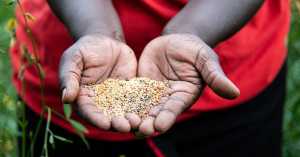
Against the backdrop of climate change, natural resource degradation and growing food demand, developing a robust national seed system has become a national priority.
Over the course of the three-day workshop, participants will enhance their knowledge of improved sorghum varieties developed by ISRA, Good Agricultural Practices to increase productivity, techniques for producing open-pollinated variety (OPV) and hybrid sorghum seed, methods for maintaining varietal purity, and best practices for harvesting, drying and storing seed.
The programme will also cover Senegal’s seed legislation and the regulatory requirements governing seed certification.
Beyond technical knowledge transfer, this initiative will help strengthen local seed systems, promote the use of certified seed, and enhance the capacities of farmer organisations.
According to Dr Dougbedji Fatondji, Coordinator of the TAAT Sorghum and Millet Compact, “This training will promote the wider dissemination of improved sorghum varieties developed through Senegalese agricultural research and promoted by TAAT.”
This activity is fully aligned with the objectives of the TAAT programme, which seeks to accelerate the adoption of proven agricultural technologies to increase productivity, strengthen the resilience of farming systems and support the sustainable transformation of agricultural value chains across Africa.
By investing in the capacity development of frontline agricultural actors, TAAT reaffirms its commitment to promoting efficient seed systems, building more resilient agriculture and supporting sustainable food production, thereby contributing to Senegal’s and Africa’s broader food sovereignty ambitions.
Recent Stories
Related Stories
- TAAT Demonstrates that Food Systems Transformation and Sustainability Can Go Hand in Hand
- National Seed Business Summit begins as Zimbabwe eyes Food Systems Transformation
- Zimbabwe Hosts National Seed Summit to Accelerate Food Systems Transformation
- South Sudan: TAAT facilitates workshop on Strengthening Emergency Preparedness and Response to Food Crisis
- How TAAT is cultivating hope and uniting for Agricultural Transformation in South Sudan