 IITA – Bénin Campus, 08 BP 0932 Tri Postal, Cotonou – République du Bénin
 @Taat_Africa
 TAAT Africa
 @taatafrica
From Radio to Resilience: How TAAT is Empowering Senegalese Farmers with Ag-Innovations and Climate Information
In rural areas of Senegal, farmers are facing growing uncertainty due to irregular rainfall patterns, rising temperatures and the continued degradation of soil fertility.
In a context where nearly 90% of agricultural production depends on rainfall, access to reliable agricultural and climate information is essential for enabling producers to make informed decisions throughout the farming season.
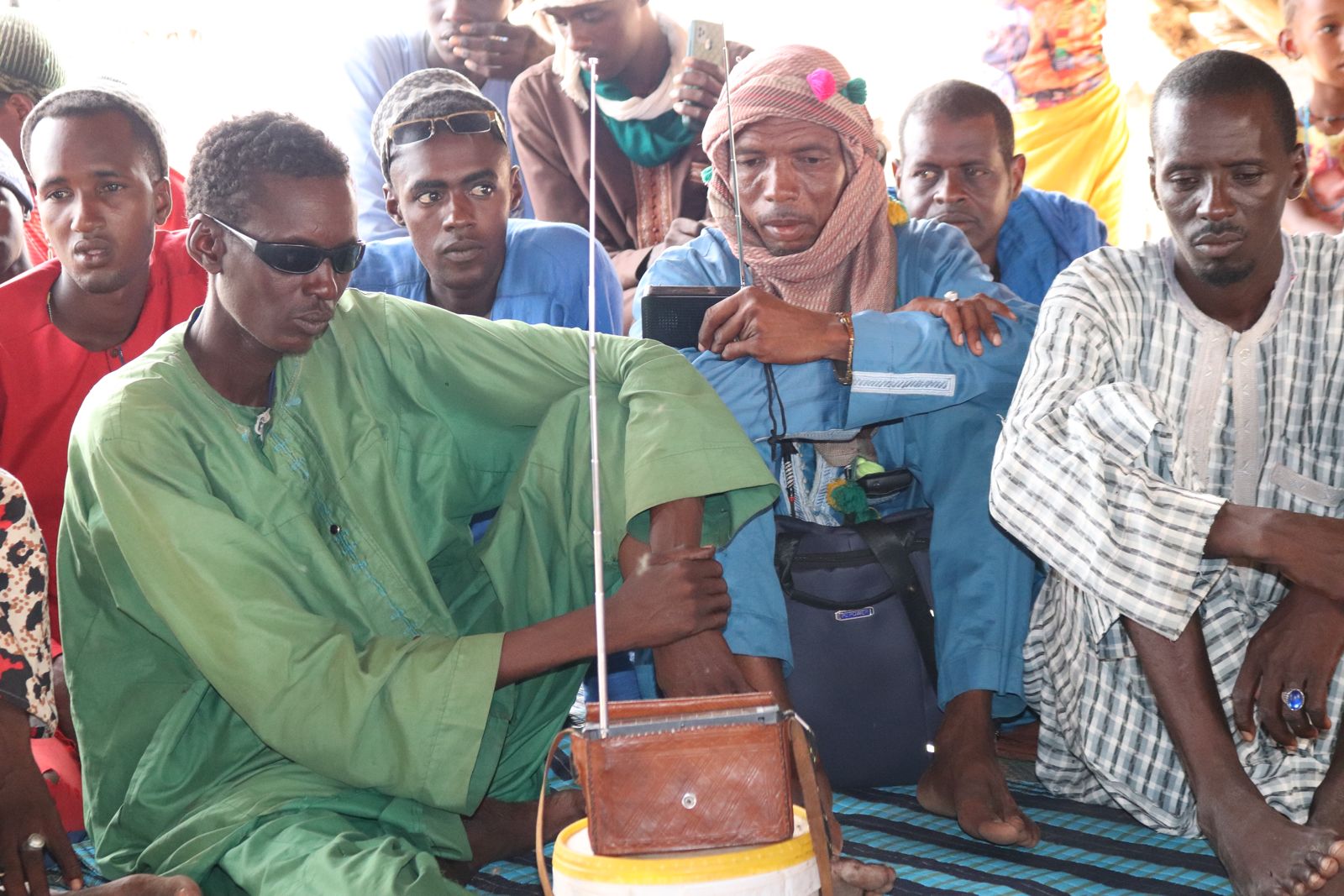
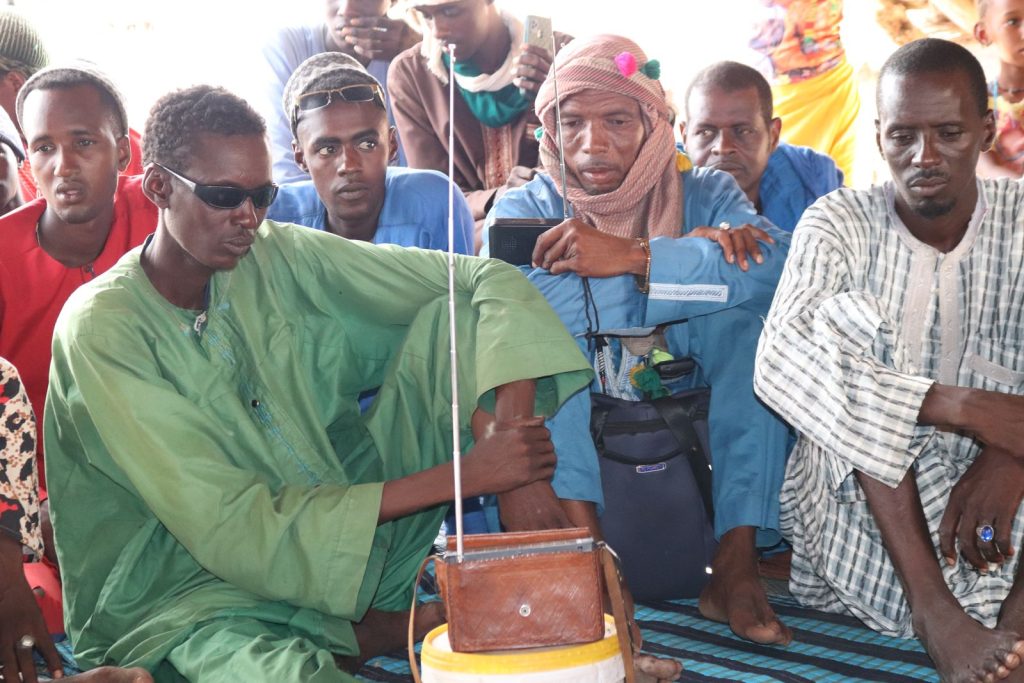
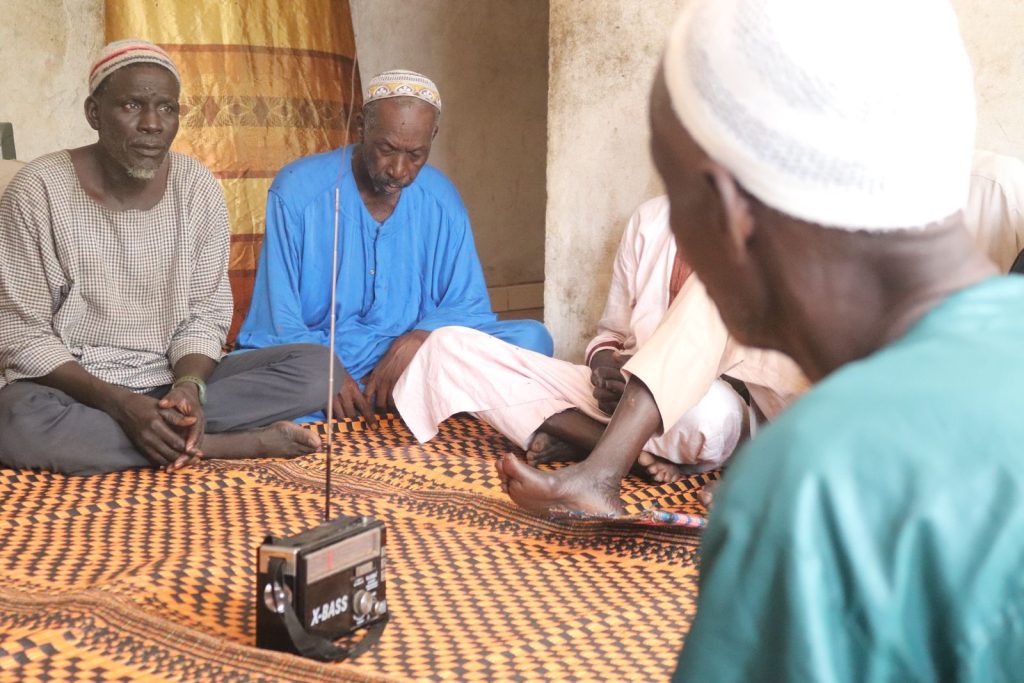
To reach a growing number of producers, including those in rural areas where agricultural extension services remain limited, the Technologies for African Agricultural Transformation (TAAT) programme relies on community radio.
Through this network of local partners, the programme directly disseminates agricultural and agro-climatic information to the most difficult-to-reach communities, using languages and formats adapted to their daily realities.
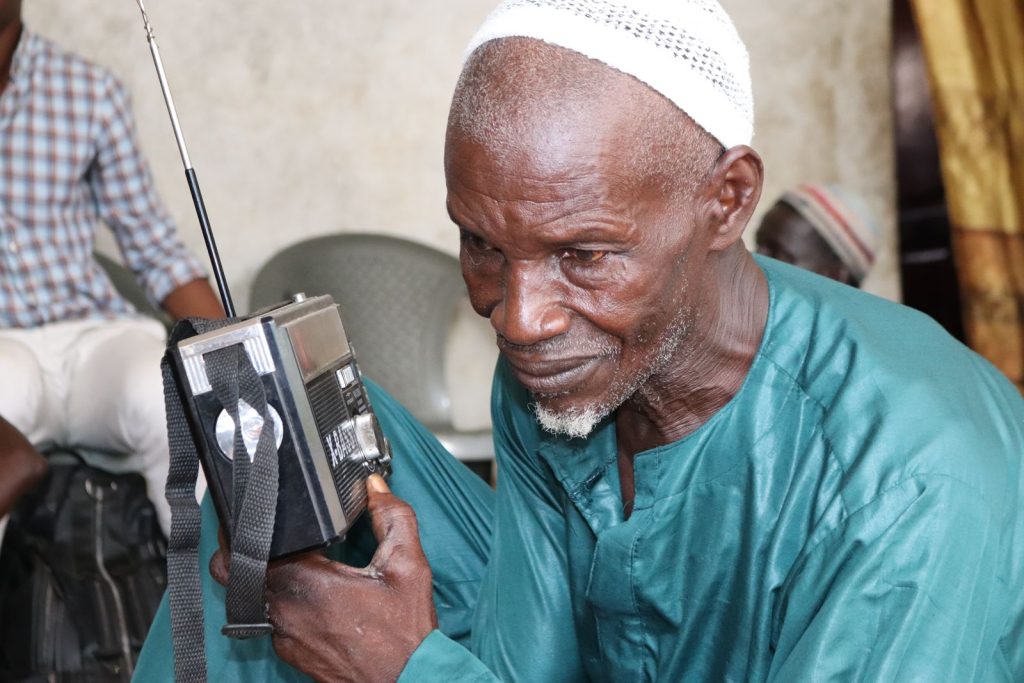
In collaboration with the Network of Peasant and Pastoral Organisations of Senegal (RESOPP) and several local partners, TAAT supports the production and broadcasting of programmes that focus on climate change, certified seeds, fertiliser micro-dosing, organic fertilisers, dual-purpose cowpea, crop-livestock integration, and good storage and marketing practices.
A recent assessment conducted by the TAAT Livestock Compact has estimated the potential audience of seven partner radio stations operating in the country’s main agricultural production areas. The analysis covered RTS Louga FM, AlBourakh FM in Tivaouane, Diobass FM in Thiès, Dunya FM in Mbour, Sokone FM, Khoungheul FM and Gabou FM in Sédhiou. Together, these stations cover several strategic regions, including the northern cereal basin, the Niayes area, the groundnut basin, the Saloum Delta and Haute-Casamance.
By covering these agricultural territories, community radio enables TAAT to progressively expand its reach among producers who, due to their geographical isolation, often have limited access to agricultural advisory services.
They therefore serve as an essential channel for rapidly disseminating innovations and good agricultural practices among rural communities.
According to the study results, these seven radio stations serve an estimated population of approximately 3.13 million people. Based on a daily listening rate adjusted to the population aged 15 years and above, their potential audience is estimated at nearly 1.21 million listeners.
Among the stations assessed, Sokone FM has the highest potential reach, with approximately 297,180 daily listeners, followed by RTS Louga FM with 266,760 and AlBourakh FM with 212,550. Khoungheul FM also has a similar potential reach of 212,550 daily listeners, while Gabou FM, Dunya FM and Diobass FM serve smaller audiences but play a strategic role within their respective intervention areas.
The study also highlights that some localities are covered by several stations. After accounting for these overlaps, the unique daily audience is estimated at nearly 1.21 million listeners, confirming community radio’s ability to effectively deliver agricultural information to rural populations across Senegal.
According to Dr Omonlola Nadine Worou of the TAAT Livestock Compact, “these results constitute a strategic tool for strengthening the effectiveness of TAAT’s communication campaigns among the communities that are the most difficult to reach.”
“This study will also help to better measure the effects of radio programmes on farming communities and their evolution,” she added.
This study confirms that community radio is a strategic channel that enables TAAT to continuously expand its reach among Senegalese farmers.
By relying on local media deeply rooted in rural communities, the programme strengthens farmers’ access to agricultural innovations and essential climate information, including in the most remote areas.
This approach helps reduce inequalities in access to agricultural knowledge, promotes the adoption of improved technologies, and strengthens the resilience of agricultural systems to climate change.
Recent Stories

Related Stories
- TAAT Demonstrates that Food Systems Transformation and Sustainability Can Go Hand in Hand
- TAAT targets resilient agropastoral systems through sustainable forage production in Senegal
- African Development Bank approves phase II of TAAT programme
- Ghana: TAAT promotes Zero Energy Cooling Chambers to reduce postharvest losses
- Guinea-Bissau: How TAAT is Cultivating the Next Generation of Agribusiness Leaders