
 IITA – Bénin Campus, 08 BP 0932 Tri Postal, Cotonou – République du Bénin
 @Taat_Africa
 TAAT Africa
 @taatafrica
Ghana: TAAT promotes Zero Energy Cooling Chambers to reduce postharvest losses
For many vegetable farmers in Ghana, producing a good harvest does not always guarantee a good income.
Once harvested, vegetables deteriorate rapidly due to high temperatures, poor handling, transport delays, inadequate packaging, and limited access to affordable cold storage facilities.
In many farming communities, these challenges result in postharvest losses exceeding 50 per cent, reducing farmers’ incomes, increasing food waste, and limiting consumers’ access to fresh and nutritious vegetables.
To address these challenges, the Technologies for African Agricultural Transformation (TAAT) programme, through its Vegetable Compact led by the World Vegetable Centre (WorldVeg), is working with Ghana’s Ministry of Food and Agriculture (MoFA) under the second phase of the West Africa Food Systems Resilience Project (FSRP2) to promote affordable postharvest technologies that improve vegetable preservation and strengthen resilient food systems.
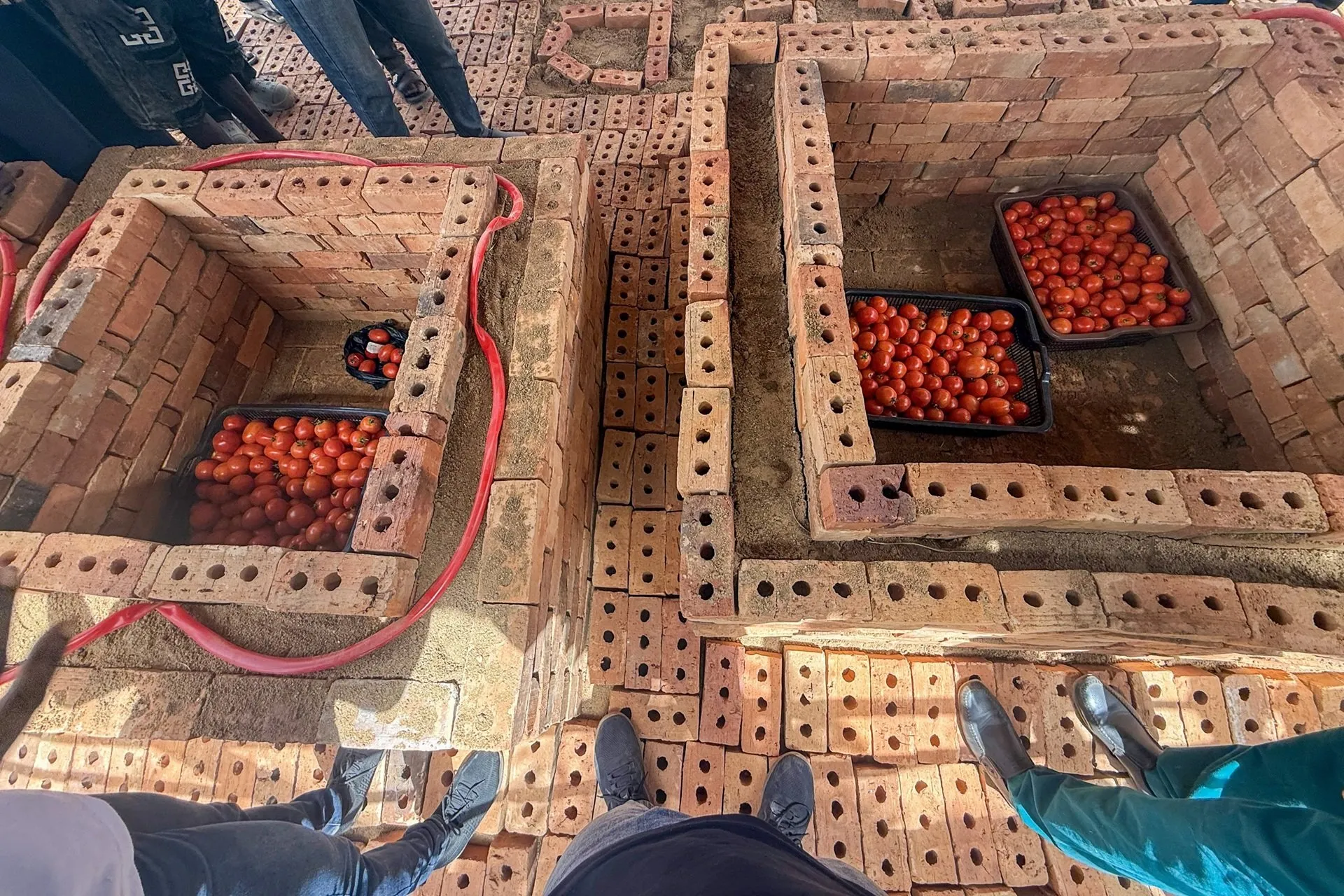
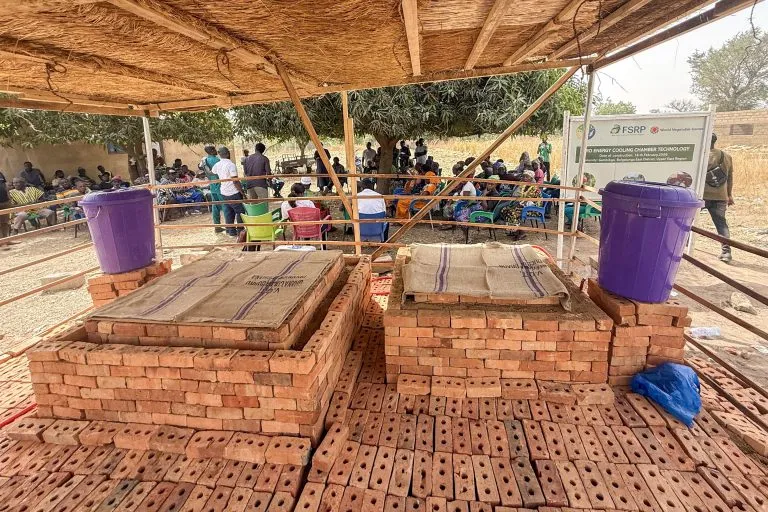
One of the technologies being promoted is the Zero Energy Cooling Chamber (ZECC), a simple and affordable storage solution that operates without electricity.
The technology relies on the natural process of evaporative cooling to reduce temperatures and maintain high humidity within the storage chamber, creating favourable conditions that significantly extend the shelf life of fresh vegetables.
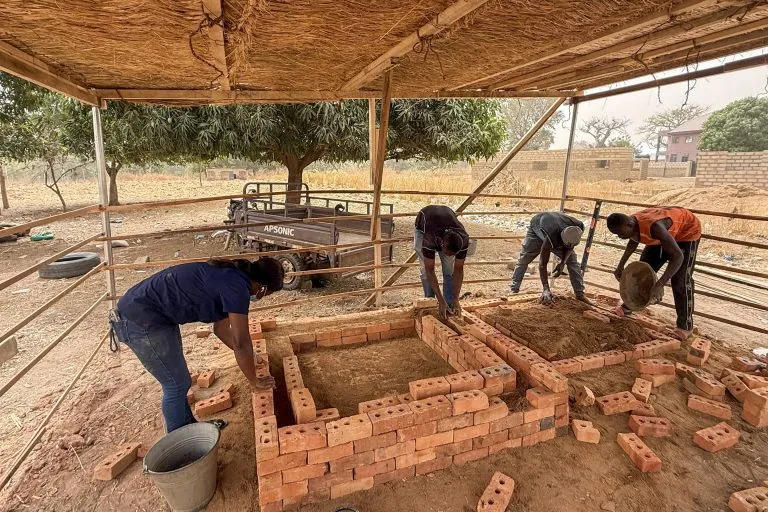
Constructed entirely from locally available materials (including burnt bricks, sand, raffia, bamboo and wood), the ZECC offers a practical alternative for smallholder farmers living in areas where access to conventional cold storage remains limited or unavailable.
The TAAT Vegetable Compact introduced the technology to farmers in Seseko, a farming community in Ghana’s Ashanti Region. Around 150 participants, including farmers from the host community, visiting farmers from the Upper East Region, traders and agricultural extension officers, took part in practical training sessions covering every stage of ZECC construction, operation and maintenance.
The training directly addressed one of the major constraints facing tomato producers in the community. During periods of peak production, poor road infrastructure, transport delays and market gluts often force farmers to sell their produce at very low prices or watch it spoil before reaching consumers.
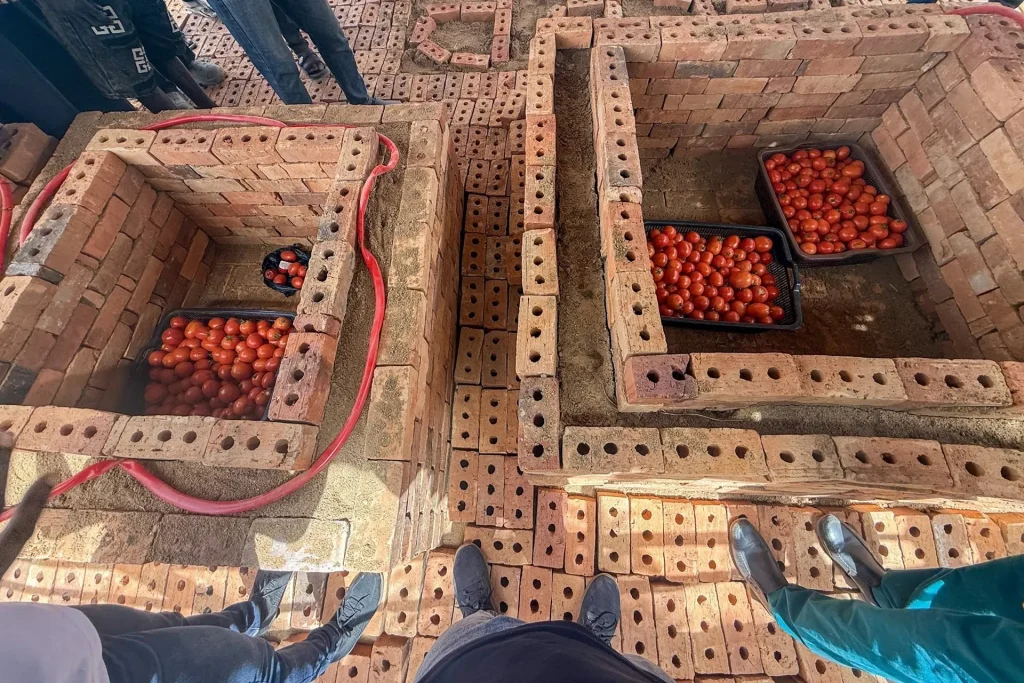
Participants observed that tomatoes stored inside the ZECC remained fresh for more than seven days while maintaining their quality. The results generated immediate interest among farmers, who recognised the technology’s potential to reduce postharvest losses, improve marketing opportunities and increase household incomes. The enthusiasm generated during the training led to the construction of two Zero Energy Cooling Chambers in the community.
Building on the success recorded in Seseko, the TAAT Vegetable Compact expanded the initiative to Gambibgo in Ghana’s Upper East Region, where farmers, traders and extension officers received similar hands-on training in constructing and managing ZECCs using affordable materials readily available in their communities.
In addition to learning the construction process, participants were trained in improved harvesting, handling and storage practices to further preserve vegetable quality after harvest and minimise losses throughout the value chain.
For many participants, the ZECC offered a practical solution to one of the region’s most persistent challenges. High temperatures and transportation delays frequently result in significant postharvest losses, undermining both food security and farmers’ profitability.
Farmers particularly appreciated that the technology requires no electricity, is inexpensive to build and can easily be replicated using locally available materials.
According to tomato farmer Abdulai Fuseini from Ghana’s Upper East Region, one of ZECC technology users, “In our community, we often lose a significant portion of our tomatoes when market prices are low, or transportation is delayed.”
“Learning that a simple structure made from locally available materials can help keep tomatoes fresh for a longer period was very encouraging,” he added.
Fuseini now plans to work with fellow farmers in his community to construct additional ZECCs and promote the technology among other producers.
“The introduction of ZECC technology demonstrates how simple, locally adapted innovations can make a significant difference in addressing postharvest challenges faced by smallholder farmers,” said Dr Paul Zaato, Research Associate in Agronomy and TAAT Technology Transfer Officer at WorldVeg.
According to Dr Mathieu Ayena, the TAAT Vegetable Compact leader, “As more communities adopt the Zero Energy Cooling Chamber, the technology is expected to play an important role in improving livelihoods, strengthening food security and ensuring that more vegetables reach consumers instead of being lost after harvest.”
By extending the shelf life of fresh vegetables, the Zero Energy Cooling Chamber gives farmers greater flexibility in deciding when and where to market their produce.
Rather than being forced to sell immediately after harvest, they can wait for better market prices while maintaining product quality.
Through innovations such as the ZECC, the TAAT Vegetable Compact continues to equip farmers with practical technologies that reduce postharvest losses, increase incomes and contribute to more resilient and sustainable vegetable value chains across Africa.
Recent Stories


Related Stories
- TAAT-vetted Vegetable Varieties Double Ghana’s Tomato Yields to 20 Tons Per Hectare
- Guinea-Bissau: How TAAT is Cultivating the Next Generation of Agribusiness Leaders
- TAAT Demonstrates that Food Systems Transformation and Sustainability Can Go Hand in Hand
- Ghana: How TAAT is Growing Nutrition and Opportunities through Improved Vegetables
- TAAT Strengthens Capacity on Vegetable Seed Certification in Ghana