 IITA – Bénin Campus, 08 BP 0932 Tri Postal, Cotonou – République du Bénin
 @Taat_Africa
 TAAT Africa
 @taatafrica
How TAAT is Unlocking Uganda’s Soybean Potential through Youth-driven Value Addition
In Uganda, a persistent gap between soybean production and processing significantly hinders youth employment, the competitiveness of agribusinesses, and access to nutritious foods.
In response to this challenge, the Technologies for African Agricultural Transformation (TAAT) programme, through the TAAT Soybean Compact and the Youth in Agribusiness Compact (ENABLE-TAAT), implemented a five-day Training of Trainers workshop held from 24 to 28 November 2025 at the School of Food Technology, Nutrition and Bioengineering, Makerere University, Kampala, Uganda.
This capacity-building initiative, organised incollaboration with Makerere University and Smart Foods Uganda Limited, was designed to bridge the gap between soybean production and value addition, with a special focus on empowering youth and women agripreneurs to transform raw agricultural produce into competitive, market-ready products.
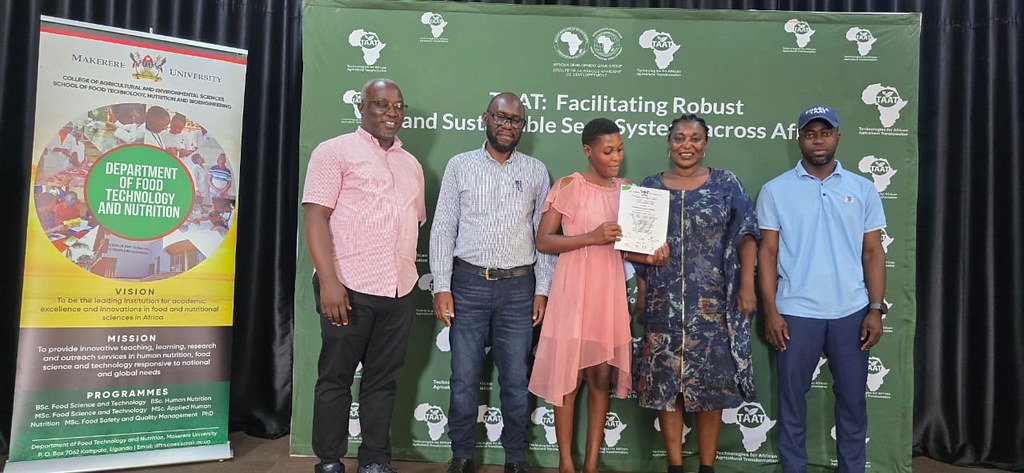
The workshop exceeded expectations, graduating 60 participants, nearly double the initial target of 30. The curriculum covered the entire value chain, from raw material selection to processing, packaging, certification by the Uganda National Bureau of Standards (UNBS), and marketing.
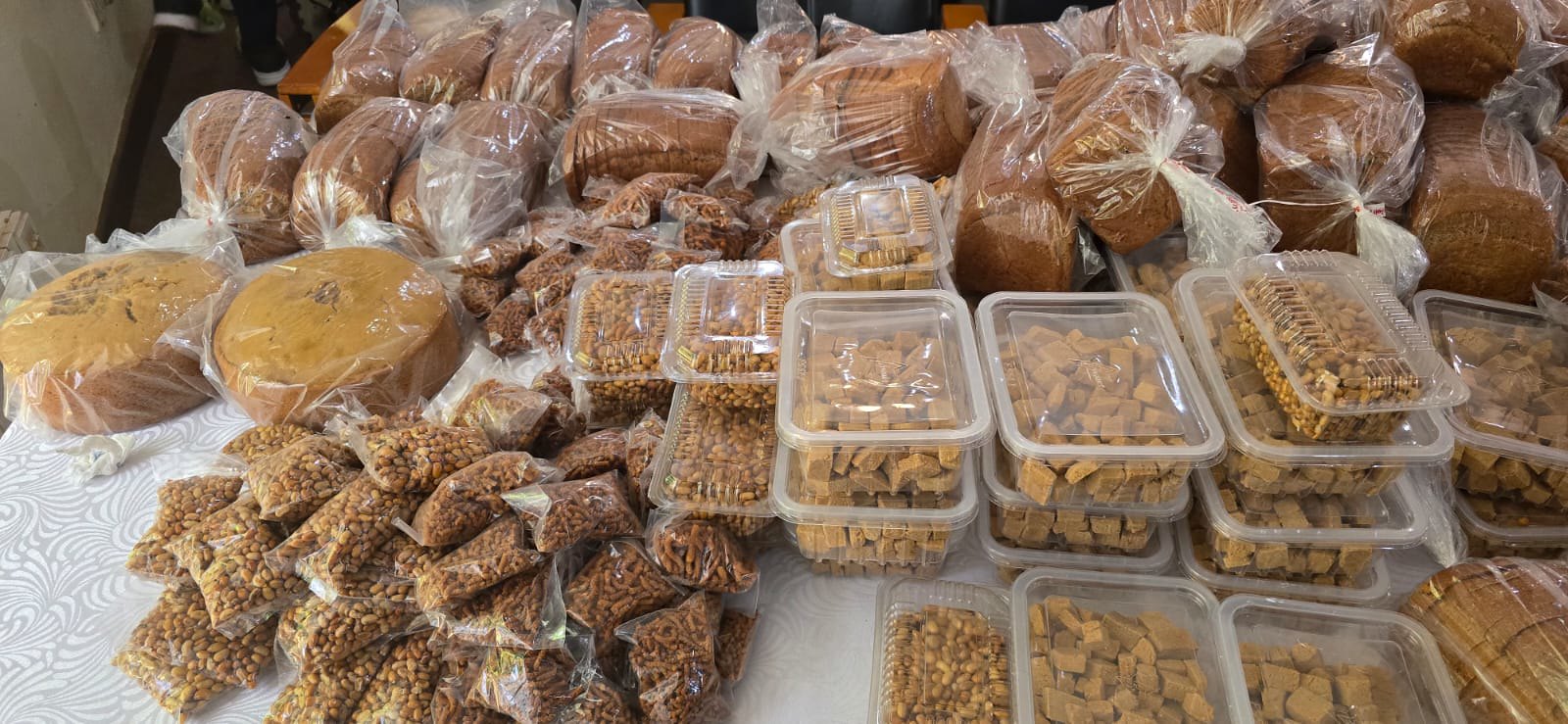
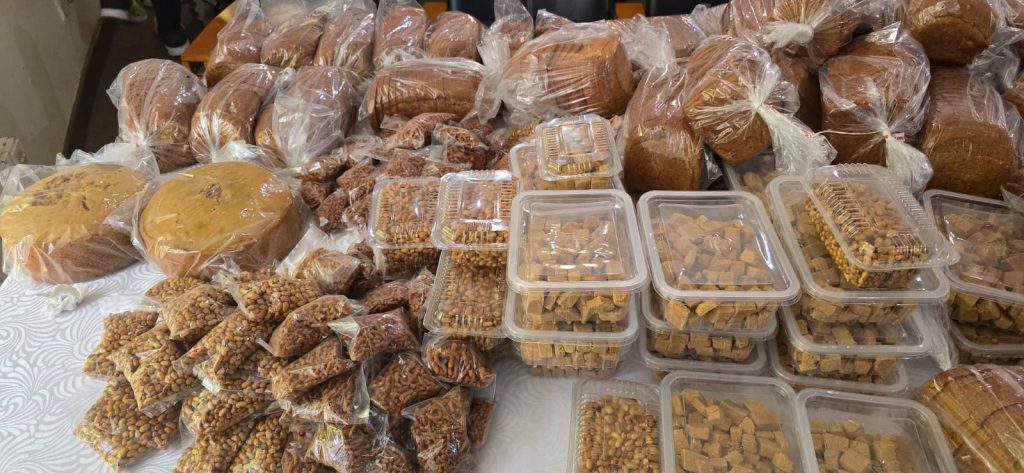
The training culminated in a graduation ceremony and a product exhibition featuring nine distinct soy-based products developed by the trainees.
Recognising that value addition is crucial for agribusiness competitiveness, the training addressed persistent challenges, strengthened technical skills, instilled Good Hygiene and Manufacturing Practices (GHP/GMP), and promoted business sustainability through improved marketing and certification knowledge.
At the Makerere Food Technology and Business Incubation Centre (FTBIC) pilot plants, participants engaged in intensive hands-on practical sessions that blended theory with real-life processing experience.
In soy milk and yoghurt production, a ratio of one cup of soybeans to six cups of water is used, and the milk is pasteurised at temperatures between 90°C and 100°C to inactivate trypsin inhibitors. It is then cooled to 45°C to introduce the starter culture for yoghurt production.
The yoghurt was incubated for a minimum of eight hours before packaging, during which participants gained experience in flavouring and sweetening formulations.
The tofu processing module placed a strong emphasis on protein concentration and product quality, with trainees using black-eyed soybeans due to their superior gel-forming properties and higher protein content.
A formulation of 250 grams of magnesium chloride per 25 litres of soy milk was applied, followed by a coagulation period of approximately 15 minutes before pressing. One participant reflected that concentrating protein makes tofu more nutritious.
In the soy-enriched baking sessions, participants experimented with wheat flour substitution levels of 10%, 20% and 25% using soy flour.
They observed technical challenges during kneading, as the inclusion of soy affected gluten network development, creating what trainees referred to as a “bubble gum structure.”
In snack production, products such as mandazi, daddies and baghia were fortified with 20% soy flour, and participants learned that soy-based products burn easily, noting that “once it starts to change colour, it’s already burnt”.
Dry processing modules were introduced, including roasting, grinding, and hygienic packaging, for the production of soy flour and soy coffee. Heat regulation during roasting was highlighted as the key determinant of product flavour and shelf stability.
To deepen their industry exposure, participants undertook a technical visit to Smart Foods Ltd in Bweyogerere, where they observed industrial-scale roasting and processing operations. Specialists from the Uganda National Bureau of Standards further guided trainees on certification requirements for marketable food products.
During his remarks, Mr Martin Ssali of Smart Foods Ltd encouraged participants to cultivate a spirit of collaboration rather than competition, urging them to adopt a mindset of abundance by stating that “there is enough space for everyone to fly”.
Prof Ivan Mukiisa Muzira of Makerere University underscored the central role of food safety in agribusiness, advising participants to fully utilise university facilities and reminding them that “this equipment belongs to you… Don’t let that knowledge stay in those books”.
Mr John Obaniyi of the ENABLE TAAT Compact highlighted the importance of “Return on Investment” through adoption and innovation, while stressing the value of partnerships, noting that “starting alone might be challenging… What happens when you have a partner? You can share the burden”.
He further encouraged each participant to apply their newly acquired skills to combat malnutrition and expand income opportunities in their communities, reinforcing TAAT’s mission of empowering youth-led agribusinesses and enhancing food systems through innovation and value addition.
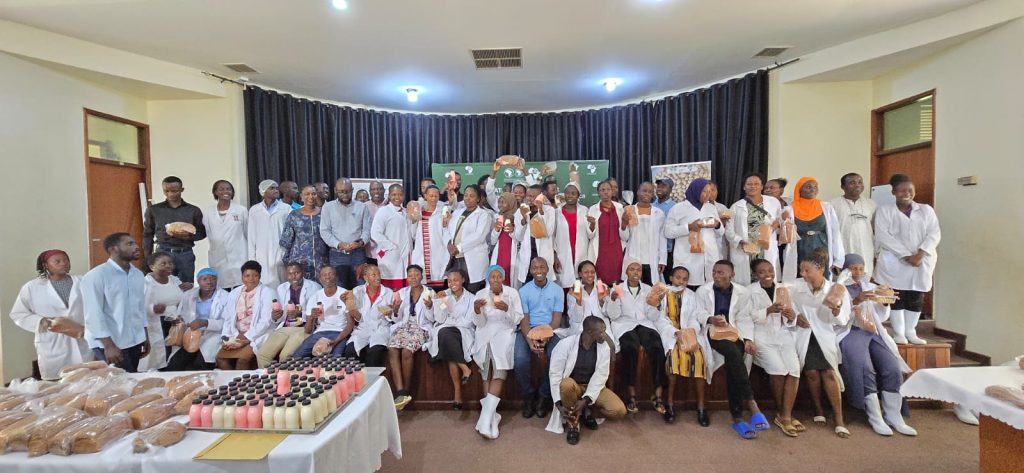
The workshop produced 60 certified trainers who are now expected to commence small-scale production using the standardised formulations developed during the training. Graduates have been granted access to FTBIC equipment to support their initial production runs, ensuring a smooth transition from training to real-world enterprise development.
Through strengthened linkages between the trained youth, Makerere University, and Smart Foods Uganda Limited, participants will benefit from continued mentorship, technical backstopping, and improved market access. This sustainable ecosystem positions the beneficiaries to cascade their knowledge, stimulate local enterprise development, and significantly contribute to soybean value addition within their respective communities under the broader framework of the TAAT programme.
Recent Stories

Related Stories
- Uganda: TAAT showcases improved and resilient soybean varieties
- Kenya: TAAT holds ToT Workshop on Soybean Agronomy, Seed Production and Entrepreneurship
- Zimbabwe: TAAT eyes Impact at scale with Wheat Value Chain Workshop
- How TAAT Orange-fleshed sweet potatoes sparked a wellness movement
- Cameroon: TAAT holds ToT on Soybean Production