 IITA – Bénin Campus, 08 BP 0932 Tri Postal, Cotonou – République du Bénin
 @Taat_Africa
 TAAT Africa
 @taatafrica
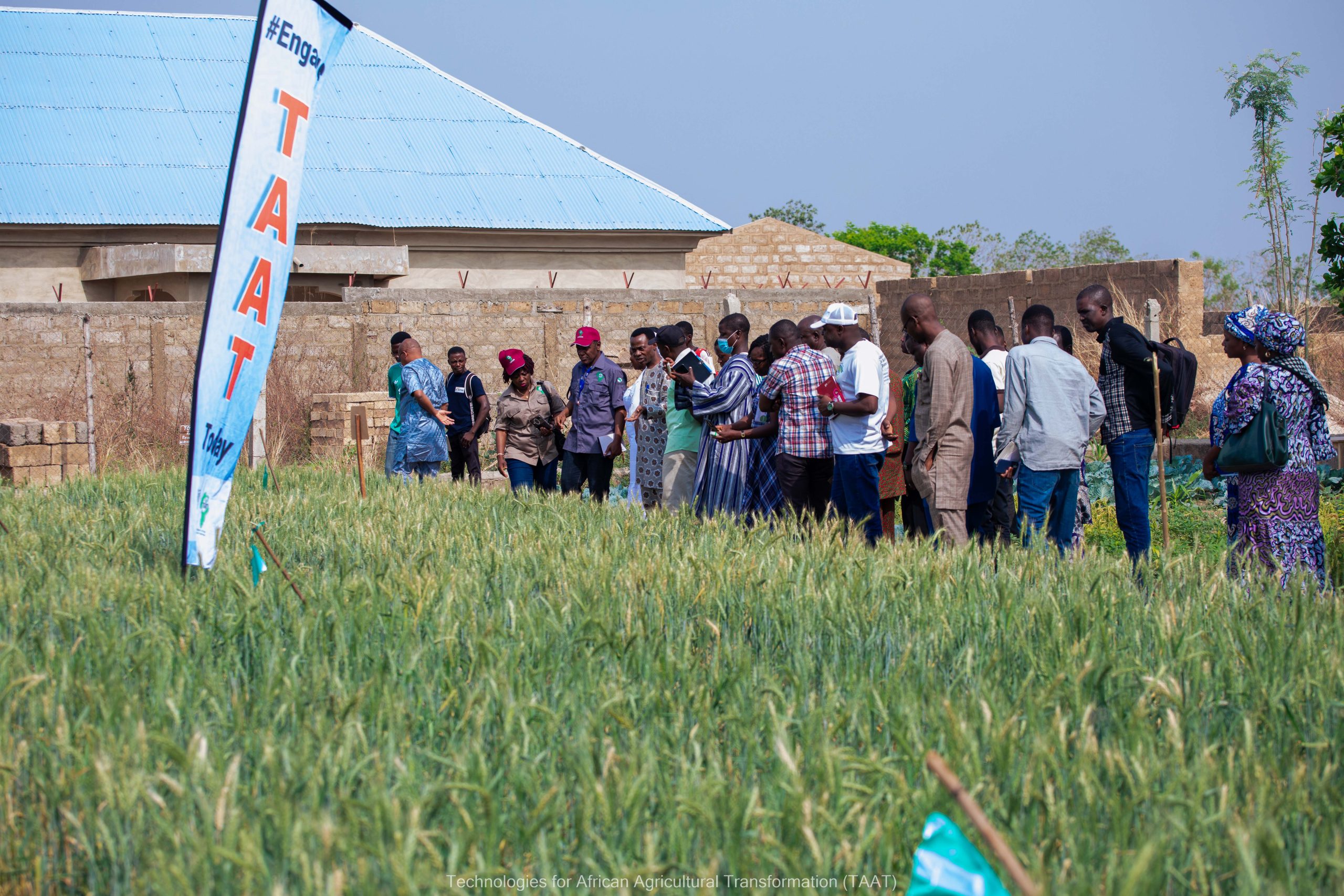
Benin: TAAT hosts Green Field Day, Showcases Wheat Potential
Achieving wheat self-sufficiency remains a challenge for many African countries due to high import bills, still-low domestic production, and steadily increasing consumption.
This limited production capacity is mainly due to irregular climatic conditions, insufficient irrigation infrastructure, limited access to high-yielding improved seed varieties, inadequate adoption of modern agronomic practices, low levels of mechanisation among smallholder farmers, and insufficient storage capacity.
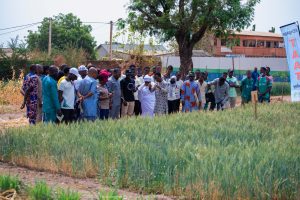
Within this context, the Technologies for African Agricultural Transformation (TAAT) programme, in collaboration with the Ministère de l’Agriculture de l’Élevage et de la Pêche (MAEP), the Institut National des Recherches Agricoles du Bénin (INRAB) and the Université de Parakou (UP), organised a Green Field Day on 5 March 2026 in Parakou, Republic of Benin.
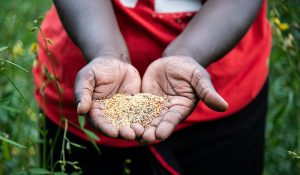
Prior to the event, demonstration plots had been established to assess the performance of two major wheat varieties, Borlaug 100 and Atila gan Atila (also known as Imam).
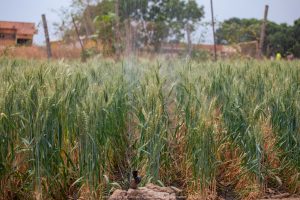
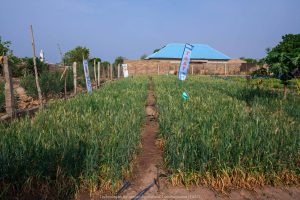
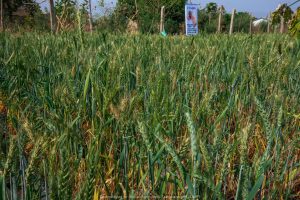
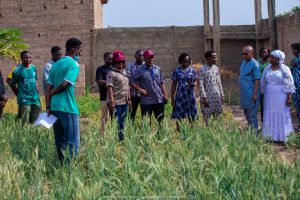
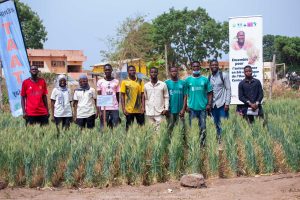
Demonstrating these varieties under real production conditions generated essential data on their adaptability to Benin’s agroecological conditions and their productivity potential for future scaling.
The Green Field Day provided a platform for technical exchanges and for showcasing innovations promoted by TAAT.
The event enabled participants to assess the results of implementing improved technologies made available to farmers and to practically demonstrate the potential of wheat cultivation in Benin.
This initiative is part of a strategic vision to move the country from a net wheat importer to a net exporter in the medium term.
Jointly organised with partner institutions and the private sector, the event brought together a wide range of stakeholders, including farmers, extension officers, researchers, private agronomy universities, students, local decision-makers, and technical partners.
Participants were introduced to the TAAT intervention model and the opportunities offered by developing a high-performing wheat value chain in Benin.
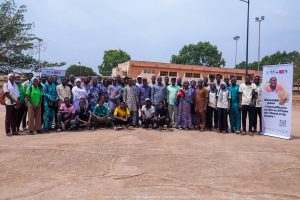
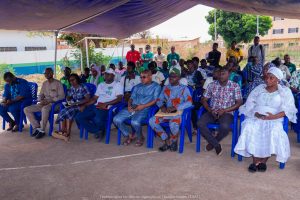
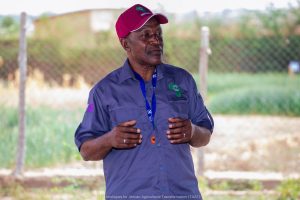
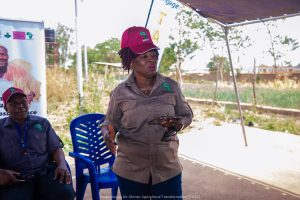
According to Dr Oluwatoyin Adetunji, TAAT Value Chain and Country Engagement Specialist, “this meeting also helped to increase the visibility of TAAT activities in the country, identify major value chain constraints, and formulate technical guidance required to strengthen the wheat value chain in preparation for the 2026 planting season.”
“The expected impacts of this initiative are significant for national agricultural development. These include increased wheat output through the introduction of improved technologies and protocols, strengthened capacities of farmers, students, youth and extension agents for better farm management, enhanced private sector participation in cereal production, and the sustainable expansion of local wheat production towards self-sufficiency and strengthened national food security in Benin,” she added.
Recent Stories
Related Stories
- TAAT engages Agro-Processors to Boost Soybean Oil Production in Ghana
- Sierra Leone: TAAT targets Food Security via Wheat Production
- Kenya: TAAT holds ToT Workshop on Soybean Agronomy, Seed Production and Entrepreneurship
- TAAT holds regional workshop for Seed Actors in fragile states
- TAAT Showcases Agricultural Innovations at the Kilimo Biashara Expo 2026