 IITA – Bénin Campus, 08 BP 0932 Tri Postal, Cotonou – République du Bénin
 @Taat_Africa
 TAAT Africa
 @taatafrica
From Breeders to Farmers: TAAT Brings Seed Technologies Closer to the Market in Nigeria
What happens after a new crop variety is developed?
For agricultural innovation to create real impact, the journey cannot end in a breeding programme or research station. A promising variety must move from research to seed production, from seed companies to farmers, and ultimately into fields where its performance can translate into greater productivity and stronger food systems.
Bridging this journey is at the heart of the African Cereal and Legume Breeding Consortium (ACLBC), established by the Technology for African Agricultural Transformation (TAAT) and the African Seed Trade Association (AFSTA).
In Nigeria, the consortium is bringing technology owners, seed companies, breeders and regulators closer together to create stronger pathways for improved varieties to reach the market and, ultimately, farmers.
With Nigeria hosting an estimated 600 seed companies, the country offers a strategic environment for accelerating the dissemination of improved agricultural technologies. The ACLBC Annual Workshop 2026 and Seed Summit, scheduled for 09 and 10 October 2026, will leverage this opportunity by targeting engagement with more than 200 seed companies interested in adopting and scaling TAAT-vetted seed technologies.
But this will not be a discussion confined to a conference room.
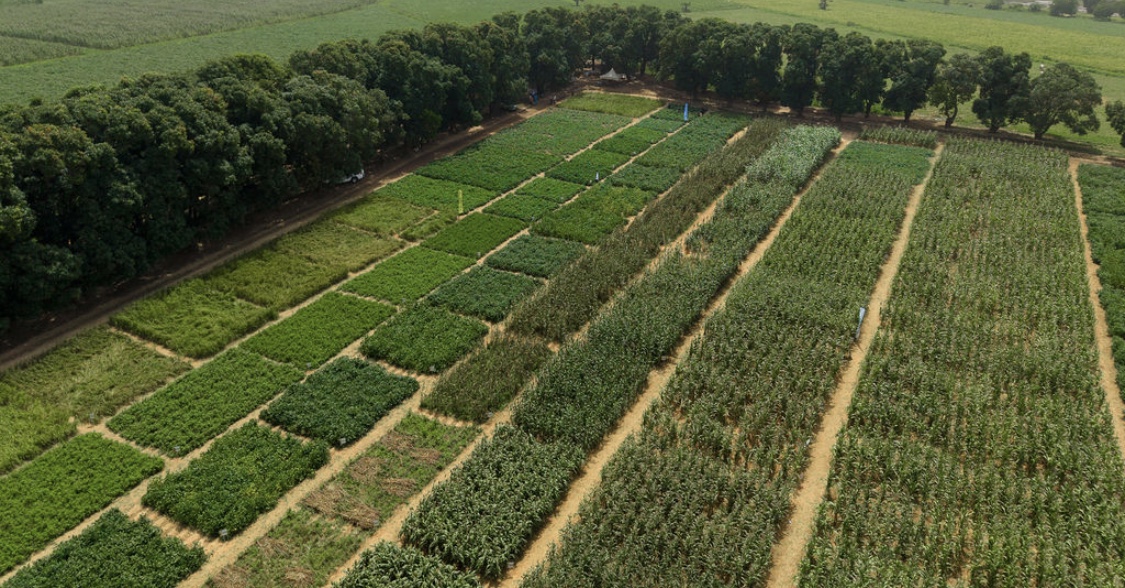
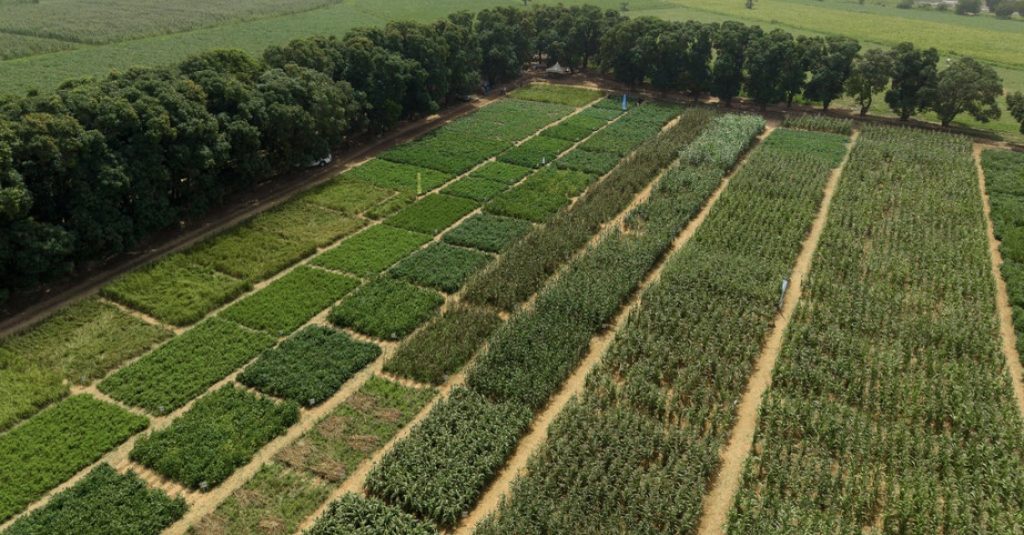
At the centre of the initiative will be a one-hectare demonstration plot located within the Kaduna, Jigawa and Kano agricultural zone. Established through the TAAT Clearinghouse in partnership with Premier Seeds, SEEDAN and NASC, the field will provide participants with an opportunity to see improved varieties at maturity and assess their performance directly.
On 09 October, the Green Field Day will put evidence in the hands of those making decisions about the future of seed markets. Participants will walk through plots showcasing rice, groundnut, cowpea, soybean, sorghum, millet and maize. They will examine yield potential, grain quality, post-harvest characteristics and comparative varietal performance, while selected plots will be harvested to demonstrate yield and grain quality.
The objective is simple but significant: to move the conversation from what a variety can potentially do to what it demonstrates in the field.
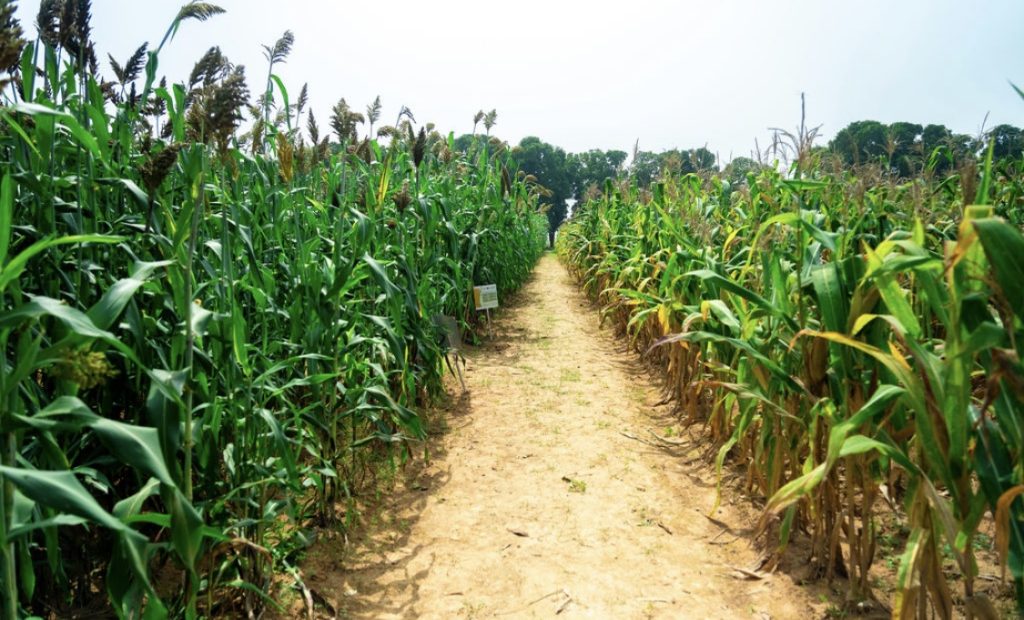
For seed companies, this direct exposure can provide the evidence needed to make informed decisions about which technologies to add to their portfolios. For technology owners, it creates a direct channel to companies capable of multiplying and distributing improved varieties. For the wider seed sector, it creates an opportunity to strengthen the connection between breeding innovation and market demand.
The conversation will continue on 10 October during the plenary sessions, panel discussions and technical exchanges under the theme “Scaling TAAT Seed Technologies – Partnerships for Impact”. Here, the focus will shift from what is happening in the field to how successful technologies can move beyond the demonstration plot.
A central moment will be the panel discussion, “Bridging the Gap: From Breeder to Farmer – Scaling TAAT Technologies”. The discussion will bring together technology owners, seed companies, regulators and breeders to examine one of the most important questions facing agricultural innovation: how can improved varieties move faster and more effectively from breeding programmes to farmers?
The answers will require more than good genetics. Seed companies need to understand varietal performance and market potential. Regulators must ensure quality and facilitate access to registered varieties. Breeders need to respond to private-sector demand and changing agro-ecological conditions. Technology owners need mechanisms that allow innovations to move efficiently into commercial seed systems.
The workshop will therefore create space for these different actors to meet around the same table—and, importantly, around the same field.
TAAT Compacts will also present improved varieties of maize, rice, sorghum, millet, soybean, groundnut and cowpea, sharing information on varietal characteristics, performance and availability. Participants will have the opportunity to engage directly with technology owners on varietal selection, seed access, intellectual property, licensing, scaling and partnership opportunities.
This approach reflects a broader ambition: to turn agricultural innovation into something that can be seen, evaluated, adopted and scaled.
The involvement of AFSTA, SEEDAN, NASC, Premier Seeds, IITA and the TAAT Compacts strengthens the platform by connecting breeding research, private-sector investment, regulatory systems and technology dissemination. Together, these partnerships can help create the conditions required for improved varieties to move through the seed value chain more efficiently.
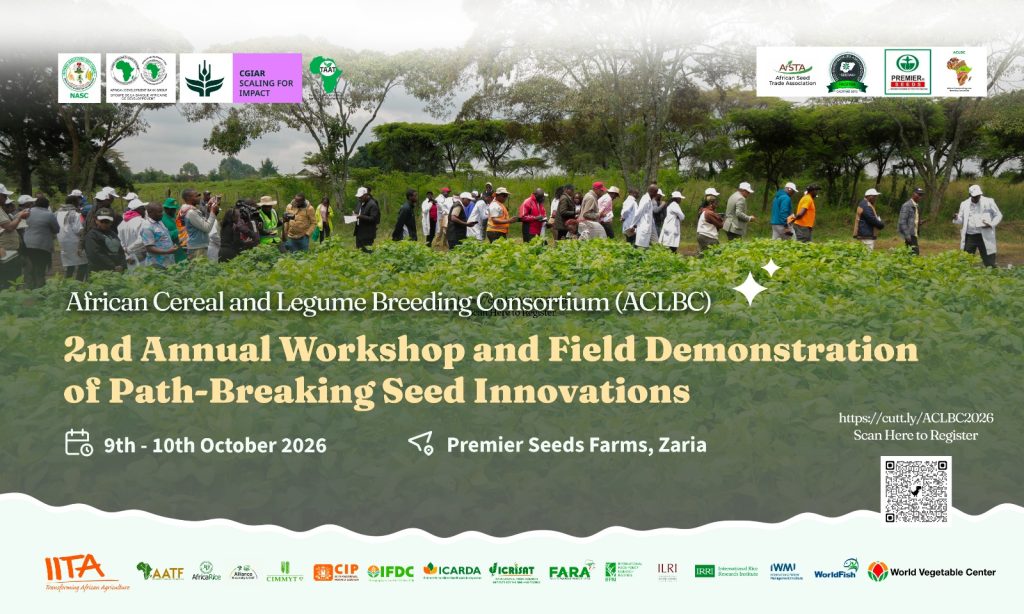
According to Geoffrey Nsofon, the TAAT Private Sector Engagement Officer, “For TAAT, the ACLBC Annual Workshop 2026 represents an opportunity to strengthen a critical link in Africa’s agricultural transformation: the link between innovation and adoption.”
“Because developing a better variety is only the beginning.” MrNsofon also added.
The real transformation starts when that innovation leaves the breeder’s hands, enters the seed system, and reaches the farmer’s field.
And in Nigeria, TAAT and its partners are bringing the actors who can make that journey possible closer together.
Recent Stories
Related Stories
- From Research to Farmers’ Fields: TAAT and AFSTA Mobilise Africa’s Seed Industry to Scale Improved Crop Varieties
- Seeing Is Believing: Nigeria’s Seed Industry Heads to the Field to Test Africa’s Next Generation of Crops
- Africa targets high yields amidst climate resilience as new cereal and legume breeding consortium takes off
- Nigeria: TAAT and Partners target Impact at Scale through Extension Master-Trainers
- Inspired by Nature for Climate and for the Future: How TAAT is Scaling Nature-Based Agricultural Solutions Across Africa