 IITA – Bénin Campus, 08 BP 0932 Tri Postal, Cotonou – République du Bénin
 @Taat_Africa
 TAAT Africa
 @taatafrica
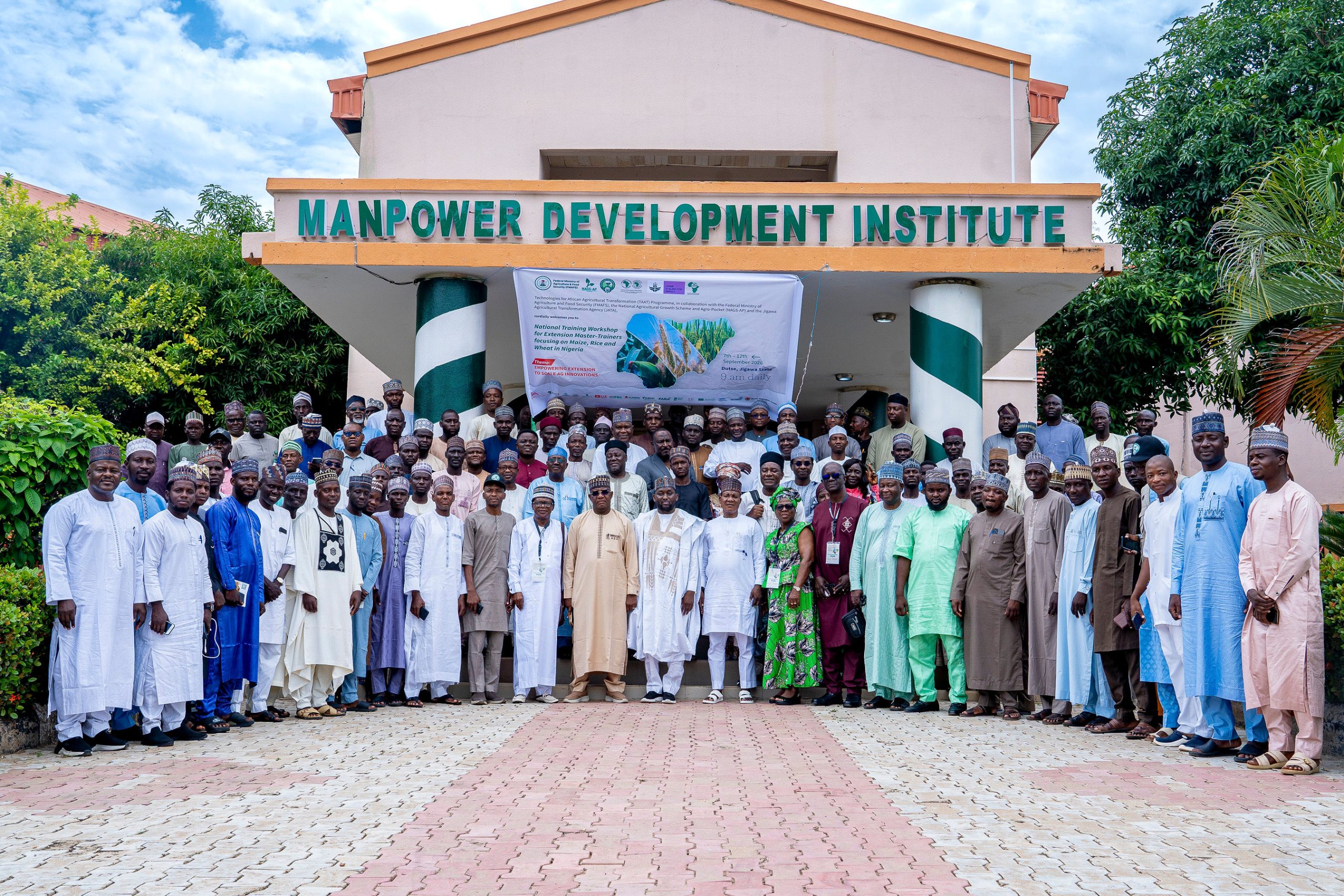
From Lab to Land: TAAT Arms 100 Extension Experts to Fast-Track Farm Innovation in Nigeria
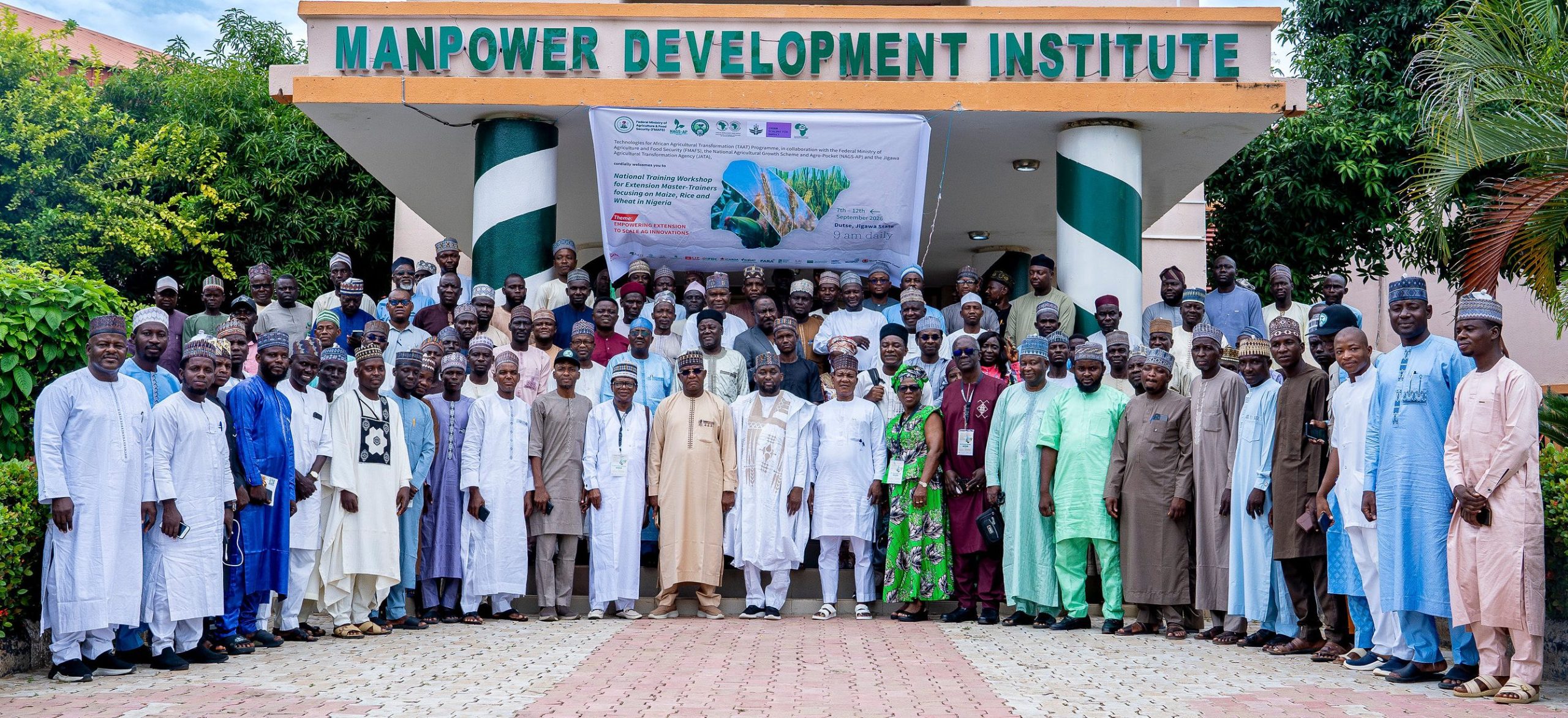
Nigeria just got 100 new “ambassadors of innovation.”
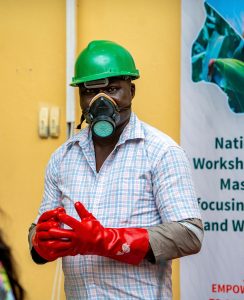
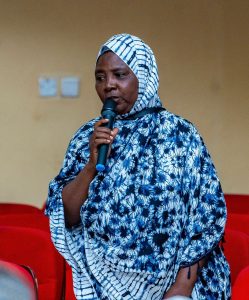
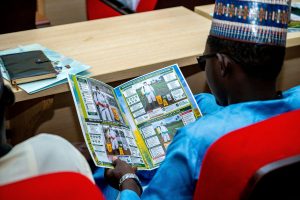
The Technologies for African Agricultural Transformation (TAAT) Programme has wrapped up a five-day training that arms agricultural extension master trainers with the tools to push proven farm technologies straight to the last mile — and the Jigawa State Government is calling it a game-changer.
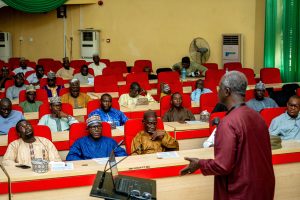
The training held 7–11 September 2026 under the theme “Empowering Extension to Scale Agricultural Innovations,” pulled together 100 extension specialists from seven North-West states: Jigawa, Kaduna, Kano, Katsina, Kebbi, Sokoto and Zamfara. Their mission now: close one of Nigerian agriculture’s most stubborn gaps — an extension system stretched dangerously thin, with just one agent for every 5,000 to 10,000 farmers.
“The real measure of this training will be the impact it has at the farm level.”
That’s the challenge Dr Saifullahi Umar, Director General of the Jigawa Agricultural Transformation Agency, threw down at the closing ceremony, representing the state governor. His target is bold: 500,000 farmers reached across the North-West, driven by the trainers now heading home to cascade what they’ve learned.
Why This Matters
Nigeria has no shortage of breakthrough agricultural technologies. What it lacks is a fast, reliable way to get them into farmers’ hands. Limited funding, thin technical capacity, weak logistics and patchy digital advisory tools have all slowed the journey from research lab to rural field.
That’s the exact gap TAAT is targeting. “The success of TAAT’s technology delivery model depends not only on the technologies themselves, but also on the people and institutions that take these innovations to farmers,” said Dr Solomon Gizaw, Head of the TAAT Clearinghouse.

A Coalition Built for Scale
The training didn’t happen in isolation. It drew on a heavyweight partnership: TAAT, the CGIAR Scaling for Impact Programme, Nigeria’s Federal Ministry of Agriculture and Food Security, the National Agricultural Growth and Agro-Pocket Programme (NAGS-AP), Sasakawa Africa Association, Lake Chad Research Institute, Nigerian Cereals Research Institute, the Institute of Agricultural Research (Zaria), and AfricaRice Centre.
It also plugs into two major investment pipelines: the African Development Bank’s $1.5 billion African Emergency Food Production Facility and Nigeria’s NAGS-AP programme (both aimed at boosting farmer access to technology, inputs and advisory support).
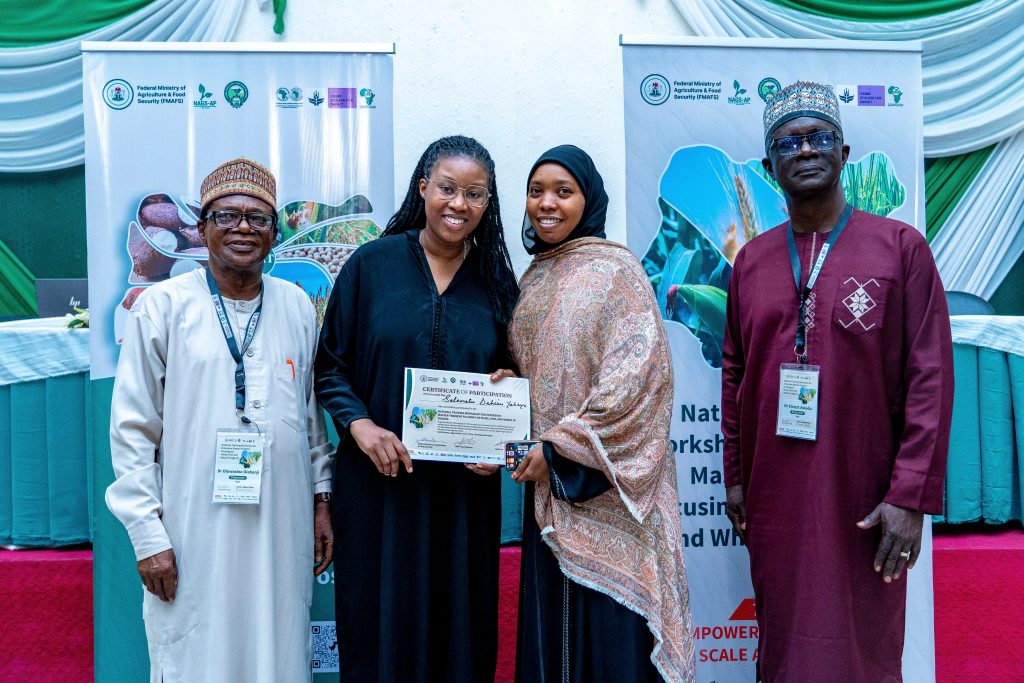
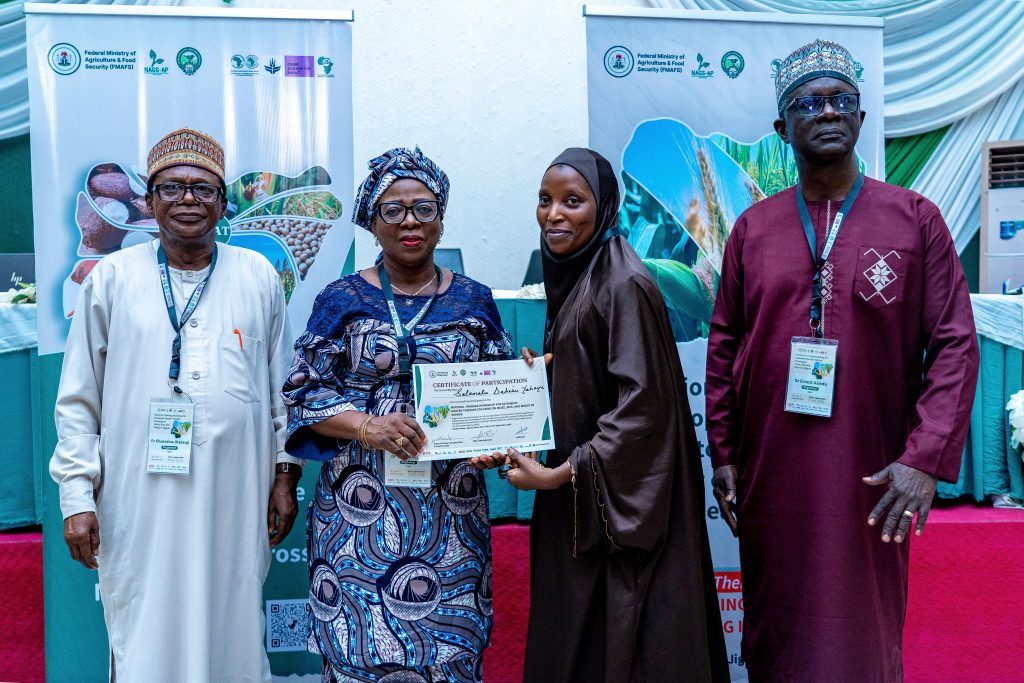
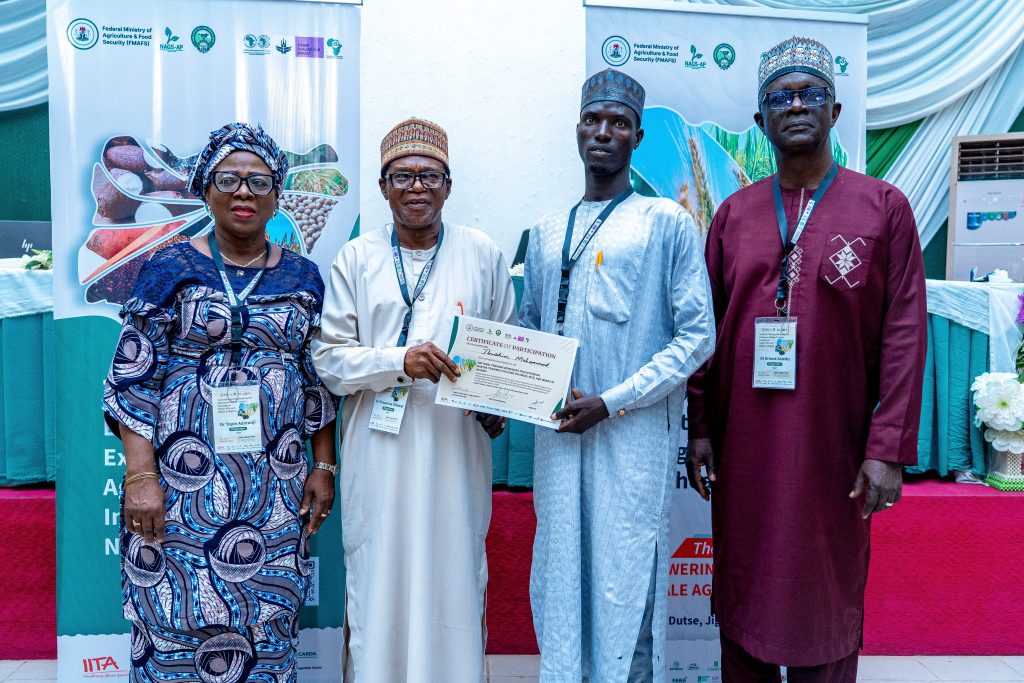
Trainers Turned Multipliers
For Sokoto’s Mallam Abubakar Danmaliki Mohammed, one of the master trainers, the mission is now personal. “Our responsibility now is to use the knowledge and experience we have gained to transform last-mile delivery in Nigeria,” he said. “We must ensure that farmers are not left behind.”
What Comes Next
The 100 trainers are now heading back to their states to cascade the training through local extension networks — turning a five-day workshop in Dutse into a wave of knowledge reaching farming communities across the North-West.
The bigger picture: scaling agriculture in Nigeria isn’t just about better seeds or new tech. It takes capable extension systems, strong partnerships, real investment and a direct line between research and the farmer’s field. This week in Dutse, TAAT bet on the people who make that connection happen.
Recent Stories

Related Stories
- Africa’s Wheat Revolution Gets a Regional Push as Experts Gather in Addis Ababa
- Nigeria: TAAT and Partners target Impact at Scale through Extension Master-Trainers
- TAAT Demonstrates that Food Systems Transformation and Sustainability Can Go Hand in Hand
- Jigawa State Delegation explores scale-up Opportunities with TAAT
- NIGERIA: TAAT hosts Stakeholders in second Wheat Seed Production Workshop