 IITA – Bénin Campus, 08 BP 0932 Tri Postal, Cotonou – République du Bénin
 @Taat_Africa
 TAAT Africa
 @taatafrica
Africa’s Wheat Revolution Gets a Regional Push as Experts Gather in Addis Ababa
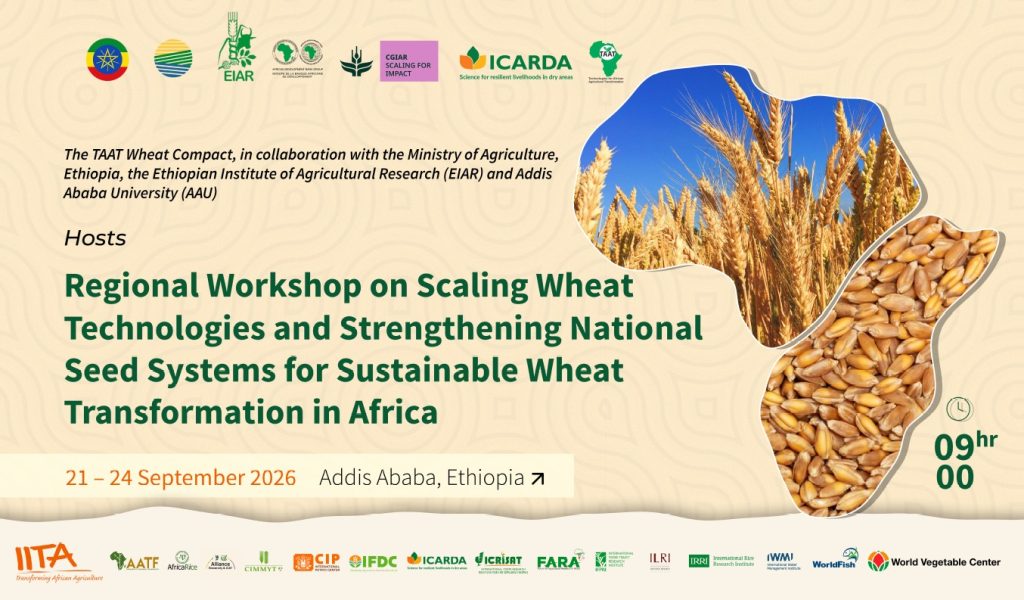
From 22–24 September 2026, Addis Ababa will host a high-stakes regional workshop bringing together the people driving one of the continent’s most consequential agricultural transformations: the race to scale improved wheat technologies and fix the seed systems that decide whether farmers can actually get their hands on them.
The gathering is convened under the Wheat Compact of Technologies for African Agricultural Transformation (TAAT), led by the International Center for Agricultural Research in the Dry Areas (ICARDA) and backed by the African Development Bank, and the stakes could hardly be higher. Wheat has become a cornerstone of food and nutrition security across Africa, yet the continent’s fields still can’t keep pace with its appetite. Millions of tonnes are imported every year to fill the gap.
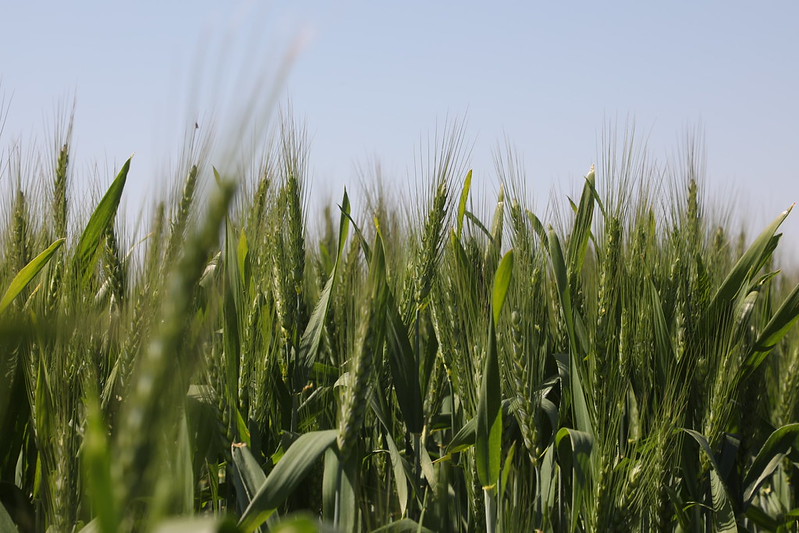
It isn’t for lack of good science. Breeders have delivered a new generation of wheat varieties bred to survive the extremes of a changing climate (heat-tolerant, disease-resistant, high-yielding). The problem lies downstream: weak seed systems, patchy access to certified seed, tangled regulations, and a seed trade that too often stops at the border. Brilliant varieties are only as powerful as farmers’ ability to plant them (and that’s exactly the bottleneck this workshop has been called to break).
A Continent Compares Notes
Over three days, the workshop will pull together an unusually broad coalition: policymakers, plant breeders, seed companies, regulators, farmer organisations, development partners, and digital technology providers (all in the same room, working the same problem from different angles).
Seven countries at the frontline of Africa’s wheat push (Ethiopia, Tanzania, Nigeria, Sudan, Zimbabwe, Kenya, and Mali) will lay their cards on the table, sharing hard-won experience in breeding, seed production, marketing, digital tools, and the policy frameworks that make or break scale-up efforts.
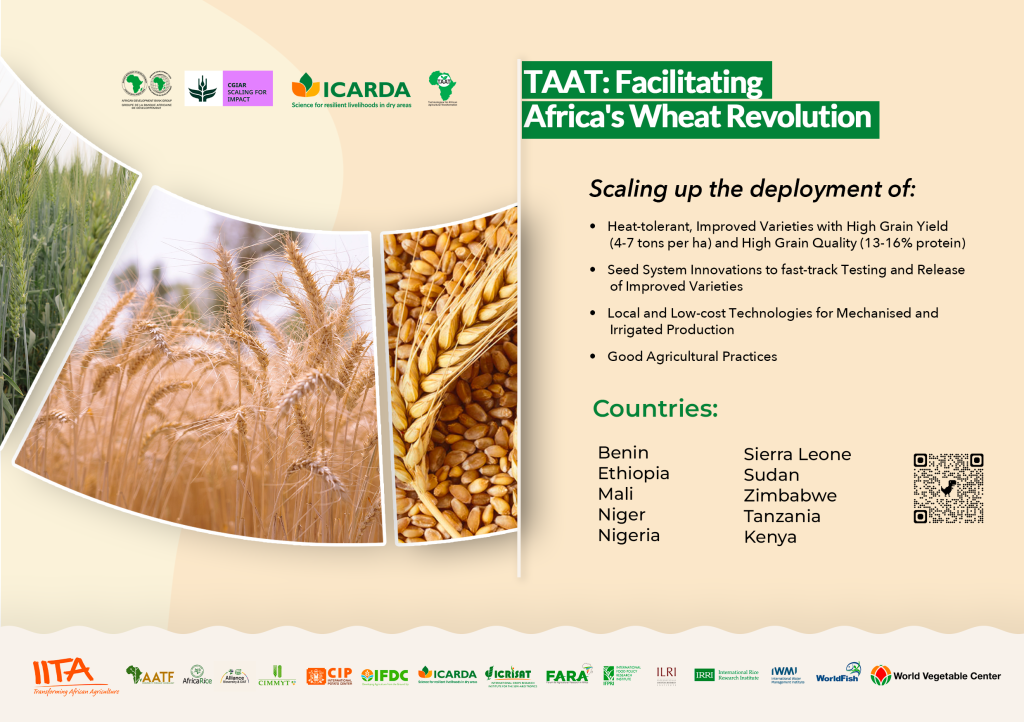
The agenda reads like a full diagnostic of the wheat value chain: where production and consumption trends are heading, how research and variety release pipelines are performing, the state of the seed sector (including the digital innovations and regional harmonization efforts working to smooth seed trade across borders), and a frank accounting of what TAAT’s first and second phases have actually delivered for farmers on the ground, successes and setbacks alike.
From Conference Room to Wheat Field
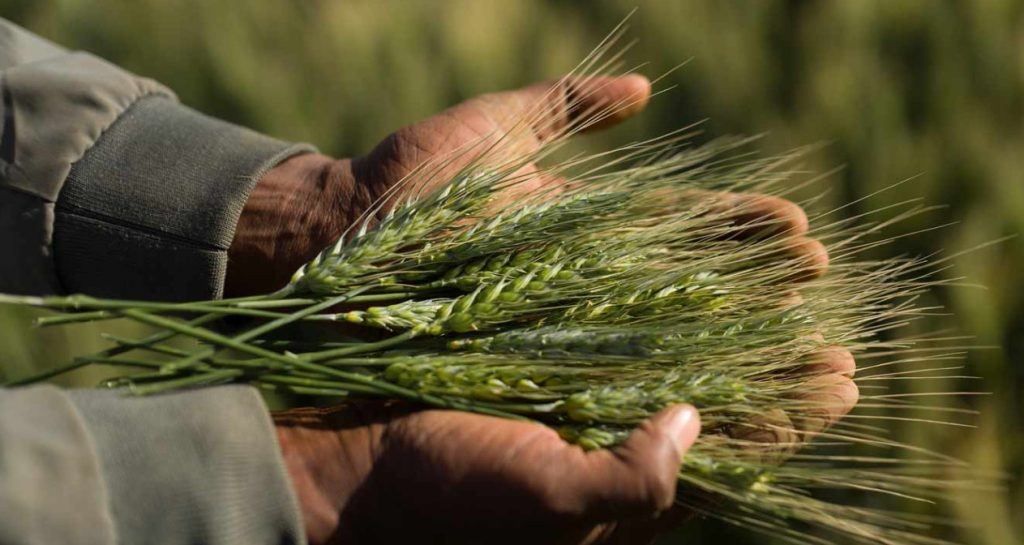
Crucially, this isn’t just a talking shop. Delegates will trade the conference hall for Ethiopian wheat fields, meeting farmers, breeders, and private-sector players firsthand (a chance for genuine south-south learning from a country widely seen as a bellwether for what an African wheat revolution can look like when the pieces come together).
What’s at Stake
By the close of the workshop, organisers aim for more than just good conversation. Expected outputs include a documented status report on wheat research and development across the participating countries, a record of TAAT’s achievements, best practices, and success stories, a concrete roadmap for scaling technologies and strengthening seed systems (digital tools included), plus deeper partnerships between public and private seed players, and published proceedings to carry the findings forward.
Dr Wuletaw Tadesse, TAAT Wheat Compact Leader, on behalf of the Organisers, says “the workshop will be a catalyst for Africa’s wheat transformation (unlocking better access to quality seed, faster technology adoption, stronger digital seed systems and regional markets, and the enabling conditions for productivity, food security, private investment, and lasting wheat self-sufficiency).”
The bigger prize is continental: faster access to quality seed, wider adoption of technology, smarter digital seed systems, stronger regional seed markets, and a more attractive climate for private investment. Put together, it’s a bid to push Africa meaningfully closer to wheat self-sufficiency (one seed, one field, one policy fix at a time).
If the ambition holds, Addis Ababa this September won’t just be a workshop. It could be a turning point in how Africa feeds itself.
Recent Stories


Related Stories
- TAAT Demonstrates that Food Systems Transformation and Sustainability Can Go Hand in Hand
- TAAT fosters Regional Approach to Innovative Wheat Seed Enterprise Development
- African Development Bank approves phase II of TAAT programme
- Zimbabwe Hosts National Seed Summit to Accelerate Food Systems Transformation
- TAAT holds regional workshop for Seed Actors in fragile states