 IITA – Bénin Campus, 08 BP 0932 Tri Postal, Cotonou – République du Bénin
 @Taat_Africa
 TAAT Africa
 @taatafrica
Seeing Is Believing: Nigeria’s Seed Industry Heads to the Field to Test Africa’s Next Generation of Crops
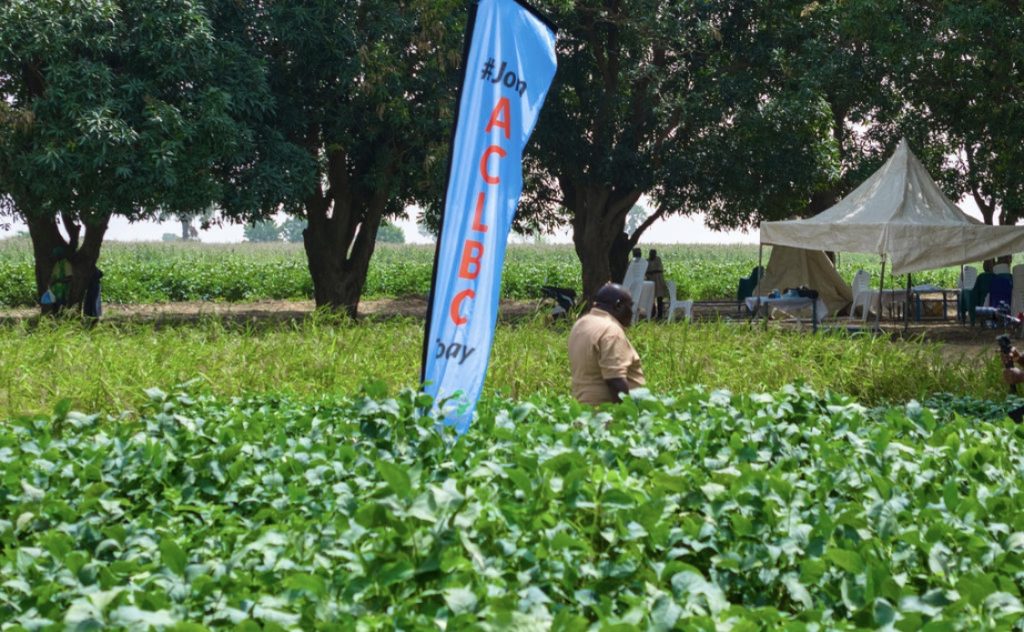
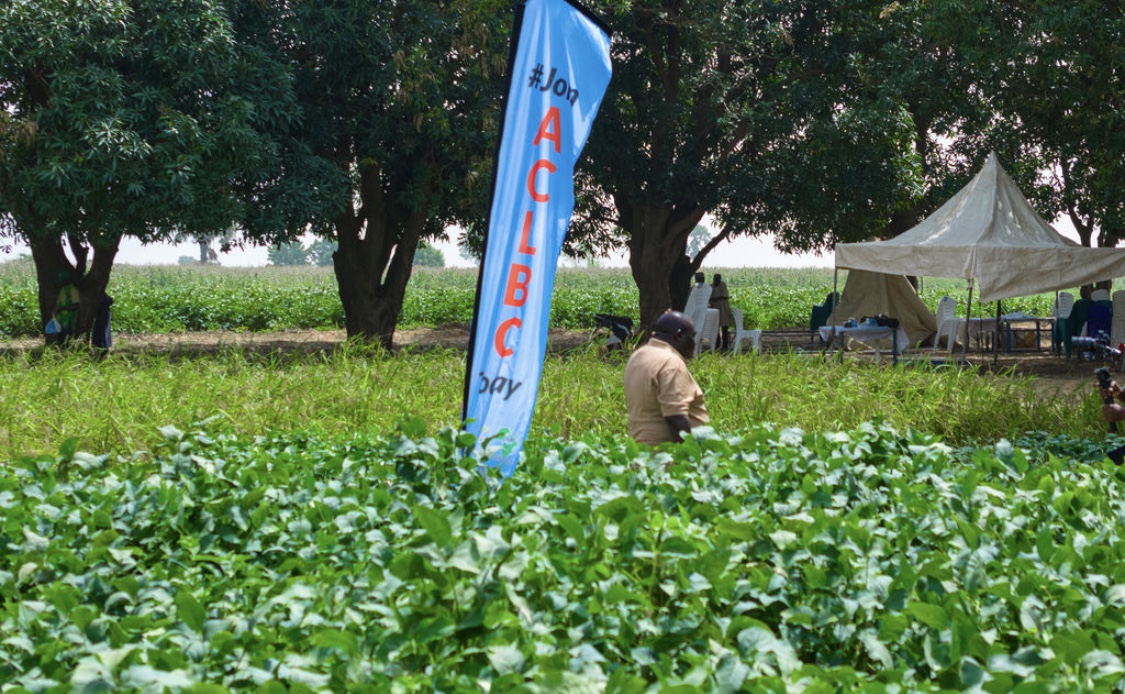
A 1-hectare living catalogue in Nigeria’s northern farm belt puts TAAT-vetted cereal and legume varieties in front of the buyers, who can take them to farmers
Nigeria has about 600 seed companies, more than any other country in Africa. The question facing that crowded industry is which new varieties deserve a place in its portfolios.
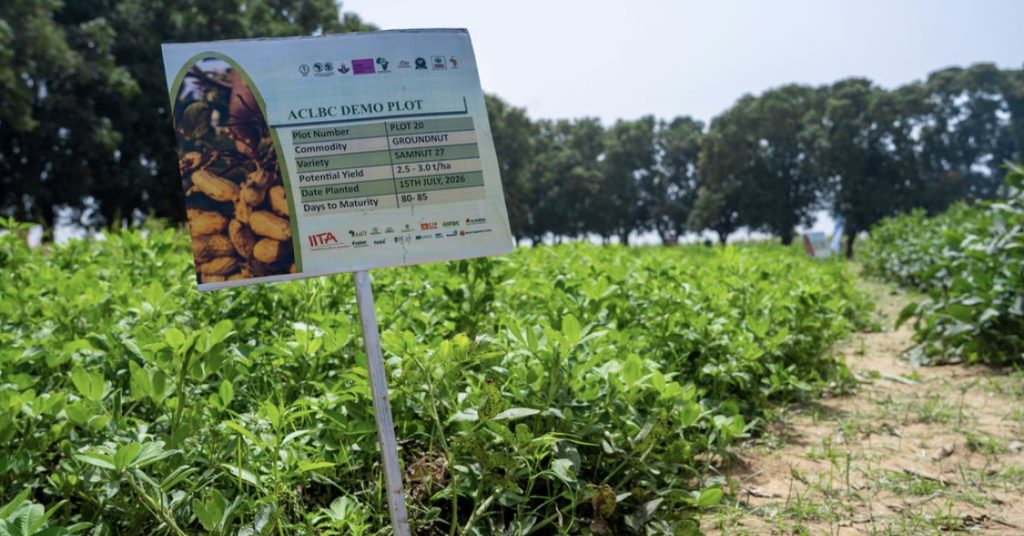
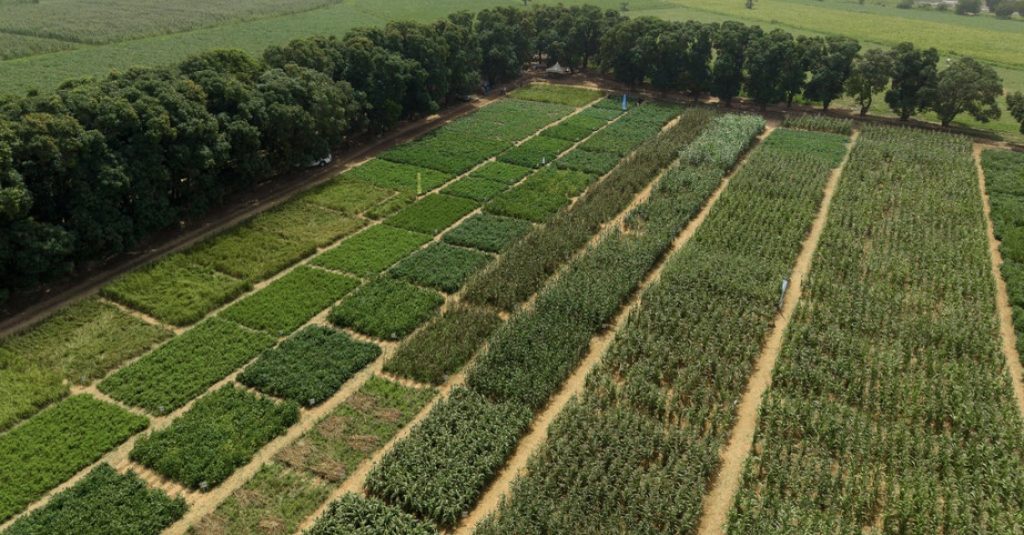
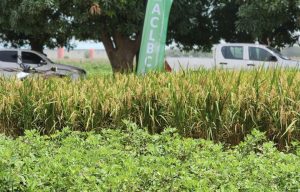
From 9-10 October 2026, the African Cereal and Legume Breeding Consortium (ACLBC) will seek to answer it with evidence rather than brochures. The Nigerian edition of its annual workshop is centred on a one-hectare demonstration plot in Zaria, within the Kaduna/Jigawa/Kano agricultural zone, where seed companies can inspect elite crop varieties at maturity before deciding which varieties to multiply and sell.
A Consortium Built for Business
ACLBC was created by Technologies for African Agricultural Transformation (TAAT) and the African Seed Trade Association (AFSTA) with a target of recruiting more than 200 seed companies to adopt and scale TAAT-vetted seed technologies. Members share genetic resources and breeding techniques to develop superior varieties, and the private sector invests in breeding research, seed multiplication and distribution.
The Nigeria workshop puts that model in front of the country’s largest seed market. The plot, set up through the TAAT Clearinghouse with contributions from TAAT Compacts, works as a showroom for high-potential varieties. It was established with Premier Seeds, ACLBC’s Champion Partner in Nigeria, the Seed Entrepreneurs Association of Nigeria (SEEDAN) and the National Agricultural Seeds Council (NASC).
Day One: Harvesting Evidence
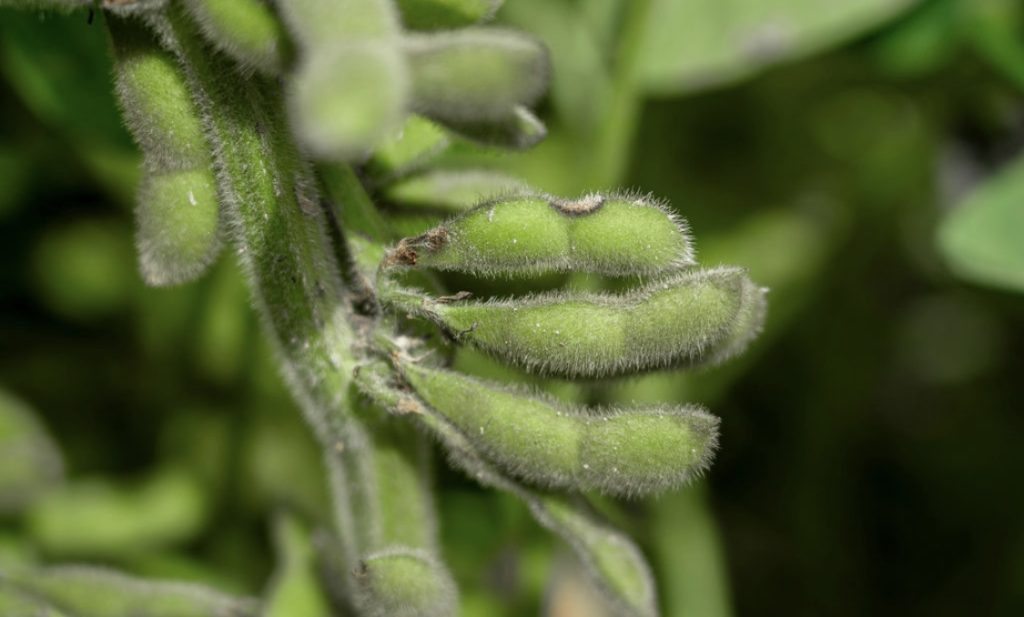
The programme opens on 9 October with the “Green Field Day,” themed Harvesting Evidence – Mature Crop Performance Showcase. Delegates travel by bus from Abuja and Kano to tour crops at maturity, including rice, groundnut, cowpea, soybean, sorghum, millet and maize, with TAAT Compact leads on hand.
Seed companies will assess final yield potential and grain quality, post-harvest and processing traits, and comparative performance across varieties. Selected plots will be harvested on-site, allowing delegates to assess yield and seed quality as they occur. Technicians will then take questions on agronomic practices and performance data.
Day Two: From Breeder to Boardroom
The second day moves to the plenary hall under the theme Scaling TAAT Seed Technologies – Partnerships for Impact. After goodwill messages from IITA, SEEDAN, NASC and Premier Seeds, two keynotes will set the tone. AFSTA will speak on the role of breeding consortia in Africa’s agricultural transformation, and SEEDAN’s Prof Onyibe will discuss Nigeria’s experience and vision for strengthening seed systems.
The centrepiece is a panel titled Bridging the Gap: From Breeder to Farmer – Scaling TAAT Technologies. It brings together technology owners presenting performance data, a seed company voice on adoption (Legacy Seed Ghana, an ACLBC member), NASC on variety registration and quality assurance, and an institutional breeder on the innovation pipeline.
The afternoon turns practical. Technology owners will give 10-minute presentations on maize, rice, sorghum, millet, soybean, groundnut, and cowpea, covering each variety’s characteristics, performance data, and availability. The session, Ask the Breeders, then lets participants question the people behind the varieties about selecting varieties for different agro-ecologies; seed availability and access; intellectual property and licensing; and scaling and partnership opportunities. The day closes by looking ahead to collaboration with the Seed Summit.
A Model with a Track Record
The format has already been tested. In August 2025, AFSTA and TAAT held a similar field demonstration and workshop at the Kenya Agricultural and Livestock Research Organisation (KALRO) station in Njoro, Kenya. Its theme was Catalysing Seed Technology Adoption through Partnership, Performance & Field Experience. A two-acre plot showcased newly released maize, soybean, rice, wheat, high-iron beans, sorghum and millet.
Seed companies, breeders, inspectors and farmers from across Africa attended.
ACLBC Lead Geoffrey Nsofon said the initiative “seeks to stimulate interest among seed companies and catalyse the adoption, branding, and scaling of these elite varieties and hybrids developed by CGIAR Centres and Advanced Agricultural Research Institutions.”
He stressed that the consortium works on demand. “We work on a demand-driven approach where we produce what the seed companies want, or seed companies collaborate with us to produce what they want for their particular market,” he said, adding that members can secure the right to exclusive lines of their choice. The consortium also aims to help seed companies produce their own parental lines.
AFSTA Secretary General Dr Yacouba Diallo said the aim is commercial: “We want to engage the private sector, mainly seed companies, to uptake the new varieties for business purposes by putting the new varieties in their portfolio, multiplying and selling to farmers.”
Dr Solomon Gizaw, Head of the TAAT Clearinghouse, urged companies to join. “This consortium offers a unique platform to facilitate large-scale investments, leverage state-of-the-art breeding technologies, and expand your footprint across the African agricultural landscape,” he said.
Why Nigeria, and Why Now
The partnership behind the Nigeria edition draws on earlier collaboration among SEEDAN, NASC, IITA and TAAT on seed system development. The roles are split. AFSTA co-creates and coordinates the consortium. The TAAT Clearinghouse leads programme design and budget. Premier Seeds hosts the plot; SEEDAN mobilises member companies; NASC aligns quality assurance and showcases registered varieties; TAAT Compacts supply seed and technical support; and IITA backstops the breeding side.
Organisers expect the workshop to deliver seed companies that make portfolio decisions from direct, side-by-side comparison of varieties; greater confidence in adopting and scaling TAAT-vetted varieties; stronger ties among Premier Seeds, SEEDAN, NASC and IITA; wider awareness of ACLBC across Nigeria’s seed industry; and a direct link between technology owners and the companies that can commercialise their varieties.
For farmers, the outcome that matters comes later: if seed companies pick up these varieties and multiply them, better seed reaches the field.
Recent Stories

Related Stories
- From Research to Farmers’ Fields: TAAT and AFSTA Mobilise Africa’s Seed Industry to Scale Improved Crop Varieties
- From Breeders to Farmers: TAAT Brings Seed Technologies Closer to the Market in Nigeria
- Zimbabwe Hosts National Seed Summit to Accelerate Food Systems Transformation
- Inspired by Nature for Climate and for the Future: How TAAT is Scaling Nature-Based Agricultural Solutions Across Africa
- Liberia Hosts Seed Sector Investment Roundtable to Unlock Agricultural Transformation