 IITA – Bénin Campus, 08 BP 0932 Tri Postal, Cotonou – République du Bénin
 @Taat_Africa
 TAAT Africa
 @taatafrica
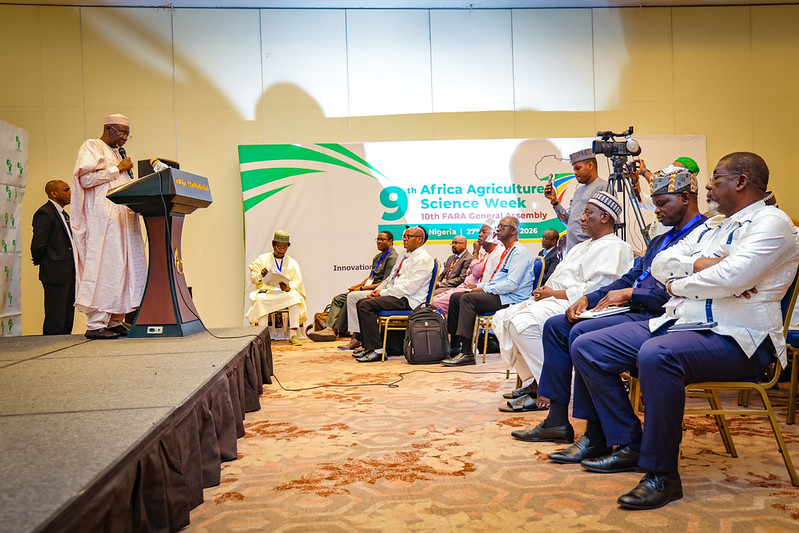
TAAT harps on Ag-Innovation Systems to Accelerate Africa’s Food System Transformation as Agriculture Science Week Ends
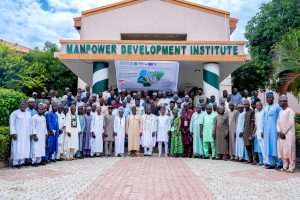
The Technologies for African Agricultural Transformation (TAAT) Programme has reaffirmed its commitment to building sustainable technology delivery systems capable of transforming Africa’s agrifood systems, as leaders from government, research, development finance institutions, the private sector and farming communities gathered at the 9th Africa Agriculture Science Week (AASW-9) in Abuja, Nigeria, from 27th to 30th July 2026.
One of the major highlights of the Agriculture Science Week was the High-Level Parallel Session, themed “Building a Sustainable Technology Delivery System to Accelerate the Scaling of Agricultural Innovations: The TAAT Experience.” The session provided a strategic platform to reflect on eight years of TAAT’s achievements while charting the next phase of Africa’s agricultural transformation through TAAT III.
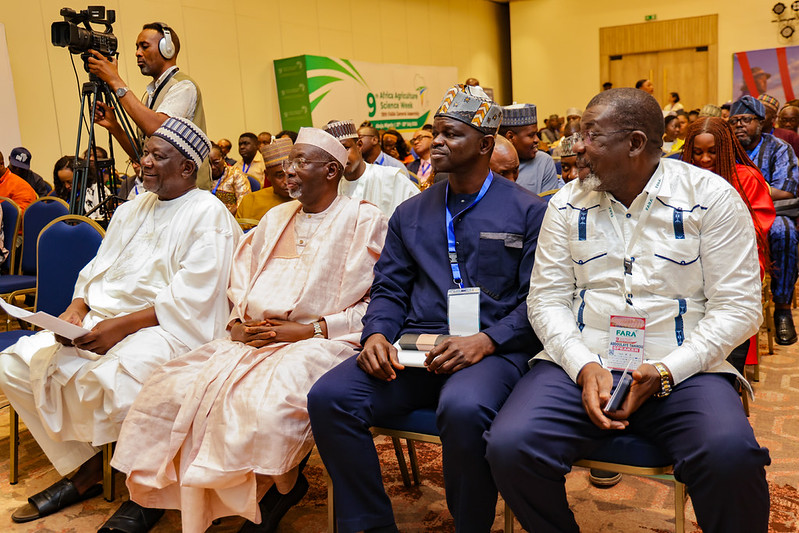
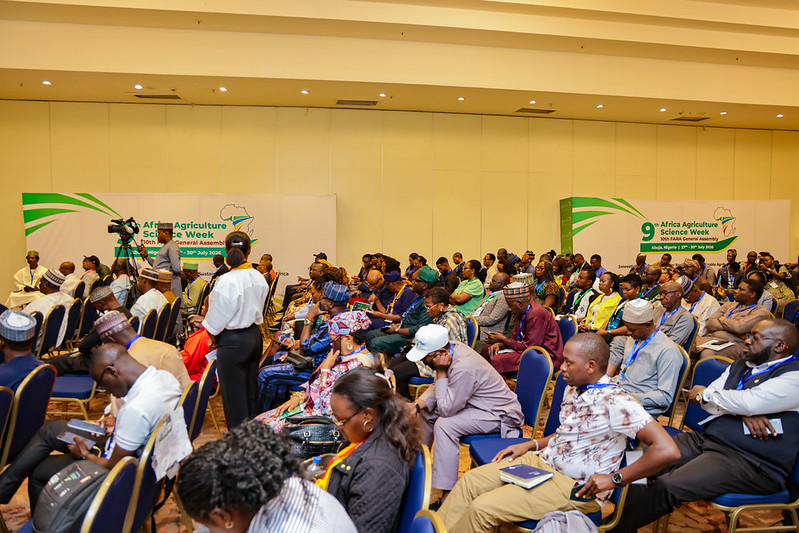
Organised by the African Development Bank (AfDB), the CGIAR Scaling for Impact Programme, and the International Institute of Tropical Agriculture (IITA), the session brought together about 200 policymakers, researchers, development partners, private-sector leaders, farmer organisations, universities and representatives of TAAT Commodity and Enabler Compacts from across Africa.
From Technology Generation to Technology Delivery
A recurring message throughout the session was that Africa’s greatest agricultural challenge is no longer the generation of new technologies, but ensuring that proven innovations reach millions of farmers at the scale and speed required to transform food systems.
Opening the session, Dr Tahirou Abdoulaye, Deputy Director General, Partnerships for Delivery and Scaling at IITA, observed that Africa possesses world-class scientific capacity and a growing portfolio of proven agricultural innovations. However, he emphasised that stronger partnerships and effective delivery systems are essential to translate scientific breakthroughs into tangible improvements in productivity, food security and rural livelihoods.
He noted that TAAT has successfully demonstrated how collaboration among CGIAR Centres, National Agricultural Research and Extension Systems (NARES), governments, development partners, farmer organisations, and the private sector can accelerate technology adoption and create lasting development impact.
Reaffirmed Support for TAAT III
Speaking on behalf of the African Development Bank, Dr Martin Fregene, Officer in Charge of the Vice Presidency for Agriculture, Human and Social Development, reaffirmed the Bank’s commitment to positioning TAAT as Africa’s flagship platform for scaling agricultural technologies.
Represented by Dr Innocent Musabyimana, Chief Agricultural Technologies Officer at the bank, Dr Fregene recalled that TAAT was established under the Bank’s Feed Africa Strategy to address one of the continent’s most persistent development challenges—the slow adoption of proven agricultural technologies.
According to Dr Fregene, TAAT has evolved into one of Africa’s largest agricultural technology delivery ecosystems by connecting research institutions, governments, development partners and the private sector around a shared vision of increasing productivity, improving food security, strengthening resilience and creating employment opportunities.
Looking ahead, he said TAAT III will expand its focus beyond technology deployment toward broader agrifood systems transformation, with strategic priorities including climate resilience, digital agriculture, commercialisation, investment mobilisation, institutional sustainability and stronger country ownership.
The call for Stronger Innovation Systems
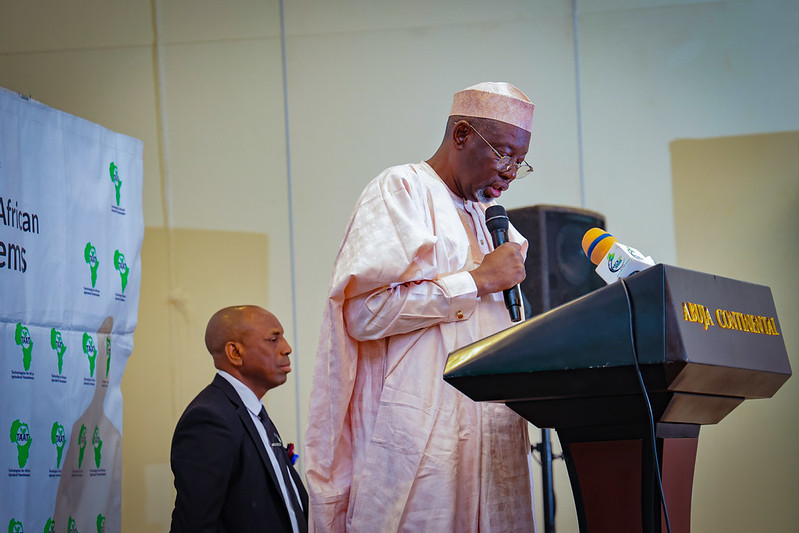
Delivering the keynote address, His Excellency Malam Umar Namadi, FCA, Executive Governor of Jigawa State, described agriculture as Africa’s greatest opportunity for inclusive economic growth and poverty reduction.
He noted that while African scientists have developed numerous improved crop varieties, livestock technologies, climate-smart production systems and digital agriculture solutions, the continent must now strengthen the institutions responsible for delivering these innovations to farmers.
The Governor emphasised that sustainable agricultural transformation requires more than technology alone. It demands effective public policies, quality extension services, modern seed systems, irrigation, mechanisation, private-sector investment and strong collaboration among governments, research institutions and development partners.
Commending the African Development Bank and its partners for establishing TAAT, he described the programme as a model for translating science into practical development outcomes through coordinated partnerships and sustainable delivery systems.
Eight Years of TAAT
During a technical presentation, Dr Solomon Gizaw, Head of the TAAT Clearinghouse, traced the programme’s evolution from its launch in 2018 to its emergence as one of Africa’s most comprehensive agricultural technology scaling initiatives.
Represented by Dr Ernest Asiedu, the TAAT West Africa Regional Coordinator, Dr Gizaw explained that TAAT I established the foundations for regional technology delivery through multi-country partnerships, technology toolkits and coordinated dissemination mechanisms.
Building on those achievements, TAAT II expanded its focus to strengthening Agricultural Innovation Systems through innovation platforms, capacity development, policy engagement, youth empowerment, digital coordination, Monitoring, Evaluation and Learning (MEL), climate resilience and Environmental and Social Safeguards.
Looking ahead, Dr Gizaw presented TAAT III as the next stage in the programme’s evolution—from technology deployment to comprehensive agrifood systems transformation. Central to this vision is the planned integration of the TAAT Clearinghouse into the CGIAR Scaling for Impact Programme under a blended financing model, ensuring greater institutional sustainability and enhanced support for responsible technology scaling across Africa.
The Future of Agricultural Transformation
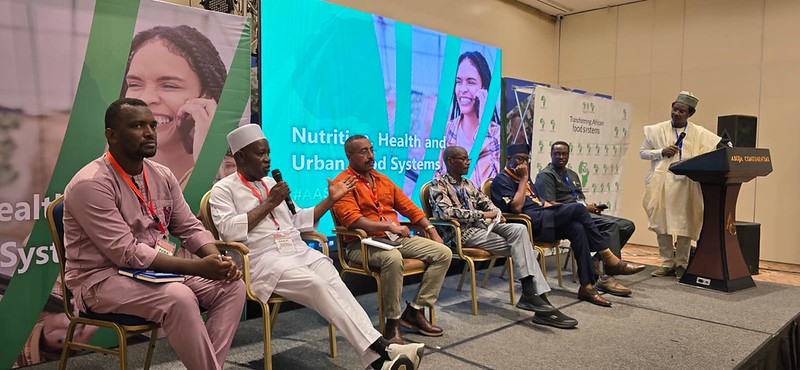
Two panel discussions brought together representatives from government, farmer networks, the private sector, research institutions, agribusinesses, and TAAT Commodity Compacts to examine practical strategies for strengthening technology delivery systems across Africa.
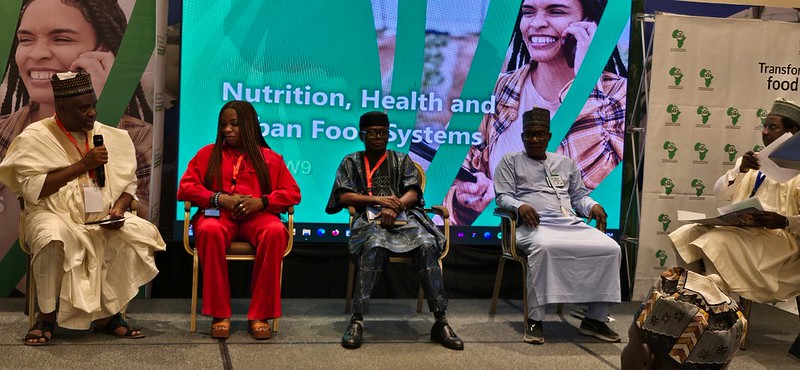
The first panel comprised Hon Baba Dan-Agundi, ex- Parliamentarian and Chair of Nigeria’s House of Representatives Committee on Agricultural Colleges and Institutions and currently Chairman of Rahama Integrated Farms; Dr Oluwasina Olabanji, Ex-Director General of the Lake Chad Research Institute (LCRI); Ms MaryAnn Okoli, CEO of Esomchi Foods; and Mr Ishaku Ado Buba, the National Coordinator of Nigeria’s National Agricultural Growth Scheme and Agro-Pocket (NAGS-AP).
Dr Wuletaw Tadesse Degu, Dr Munyaradzi Jonga, Dr Tunde Amole, Prof David Ojo, Dr Adebayo Abass, and Mr Noel Mulinganya, TAAT Compact Leaders for Wheat, Maize, Livestock, Soybean, Cassava, and Youth in Agribusiness Compacts led discussions during the second panel.
Participants agreed that the future success of agricultural transformation will depend on stronger Agricultural Innovation Systems capable of connecting research, extension, markets, finance, policymakers and farmers.
Discussions highlighted the growing importance of country ownership, private-sector participation, digital agriculture, innovation platforms, commercialisation, climate resilience and inclusive development in ensuring that proven technologies generate sustainable impact.
Commodity Compact Leaders also shared practical experiences demonstrating how integrated partnerships have accelerated technology adoption across wheat, maize, rice, cassava, livestock, biofortified crops, and youth-in-agribusiness initiatives.
The High-Level Session concluded with broad agreement on the strategic priorities that will shape TAAT III.
Participants called for stronger Agricultural Innovation Systems as the foundation for technology scaling, greater integration of TAAT technologies into national agricultural investment programmes, expanded private-sector participation, wider adoption of digital agriculture solutions, harmonised Monitoring, Evaluation and Learning systems, and increased investment in climate-smart and environmentally sustainable agricultural practices.
The session also emphasised the importance of strengthening Environmental and Social Safeguards, empowering women and youth, promoting regional collaboration and mobilising blended financing to ensure the long-term sustainability of the programme.
Building Africa’s Future Through Partnerships
As Africa confronts the challenges of feeding a rapidly growing population while adapting to climate change and creating employment opportunities, participants agreed that the continent’s success will depend not only on scientific excellence but also on building strong institutions capable of delivering innovations at scale.
The discussions reaffirmed TAAT’s position as a continental platform that connects science, policy, investment and partnerships to accelerate agricultural transformation.
With the transition to TAAT III, the programme is poised to build on eight years of experience by strengthening Agricultural Innovation Systems, expanding technology delivery, mobilising strategic investments and supporting resilient, inclusive and sustainable agrifood systems across Africa.
By bringing together governments, the African Development Bank, CGIAR, research institutions, development partners, the private sector, and farmers around a shared vision, TAAT continues to demonstrate that science, innovation, and collaboration remain the cornerstones of Africa’s journey toward food security, economic prosperity, and sustainable development.
In his wrap-up remarks, Dr Baboucar Manneh, AfricaRice Director General, emphasised that Africa’s primary challenge lies in scaling proven solutions rapidly to farmers. Tracing TAAT’s evolution from building regional infrastructure in Phase I to strengthening Agricultural Innovation Systems in Phase II, Dr Manneh set a compelling vision for TAAT III, focused on country ownership, private-sector partnerships, digital agriculture, and climate-smart, inclusive delivery.
Concluding the session, the AfricaRice DG highlighted that technology alone cannot transform African agriculture without robust institutions, supportive policies, and strategic investments. These insights provide vital guidance as TAAT transitions into its third phase, aiming to build a more resilient and inclusive ecosystem that drives lasting agrifood transformation across the continent.
Recent Stories


Related Stories
- Jigawa State Delegation explores scale-up Opportunities with TAAT
- From Lab to Land: TAAT Arms 100 Extension Experts to Fast-Track Farm Innovation in Nigeria
- Nigeria: TAAT and Partners target Impact at Scale through Extension Master-Trainers
- Jigawa State Positions Itself as a Strategic Implementation Partner for TAAT III
- Gov Namadi Hails TAAT as a Continental Model for Scaling Innovation, Positions Jigawa as a Launchpad for TAAT Phase III