 IITA – Bénin Campus, 08 BP 0932 Tri Postal, Cotonou – République du Bénin
 @Taat_Africa
 TAAT Africa
 @taatafrica
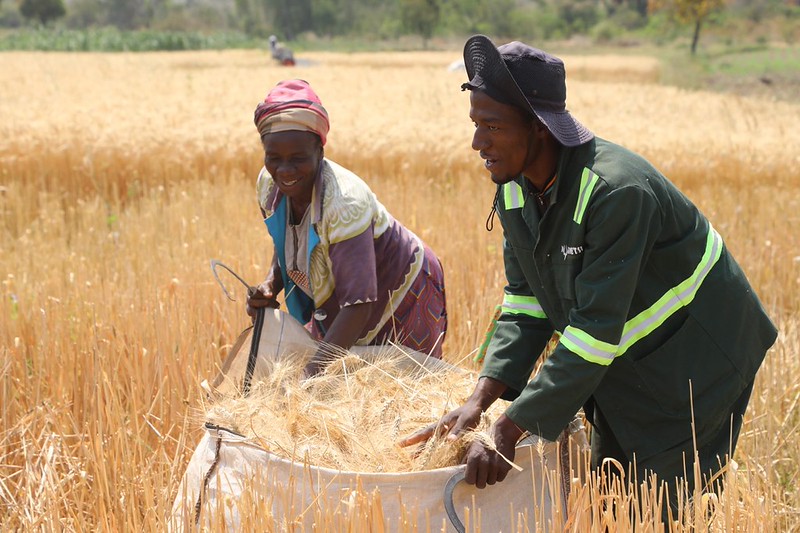
Zimbabwe’s Wheat Fields Become the Classroom as TAAT Takes Innovation Straight to Farmers
There’s a gap that no research paper can close on its own: the distance between a promising new wheat variety in a trial plot and a farmer’s decision to plant it. In Zimbabwe, TAAT is about to spend the better part of two months trying to close that gap — field by field, conversation by conversation.
Wheat is no small crop for Zimbabwe. It underpins food and nutrition security, feeds the country’s agro-processing sector, and supports countless livelihoods along the way. But producers keep running into the same wall: high production costs, limited access to quality seed, patchy adoption of improved technologies, an increasingly unpredictable climate, and knowledge gaps in good agronomic practice that quietly cap what farmers can achieve.
The Wheat Compact of the Technologies for African Agricultural Transformation (TAAT) programme thinks it has a fix — and it isn’t just another report or policy brief. It’s a series of field days built around Innovation Platforms that TAAT has been using to bring farmers, researchers, extension officers, seed producers, agro-dealers, and processors into direct contact with each other and with the technologies designed to help them.
Seeing Is Believing
Under the banner “Accelerating Adoption and Scaling of Improved Wheat Technologies for Higher Yields Under Changing Climate Conditions,” the TAAT Wheat Compact — led by the International Center for Agricultural Research in the Dry Areas (ICARDA) — is teaming up with Zimbabwe’s Ministry of Agriculture, Mechanisation and Water Resources Development, through its Directorate of Research, Education and Specialist Services (DRESS), to put improved wheat varieties and practices on display in real field conditions, not just in presentations.
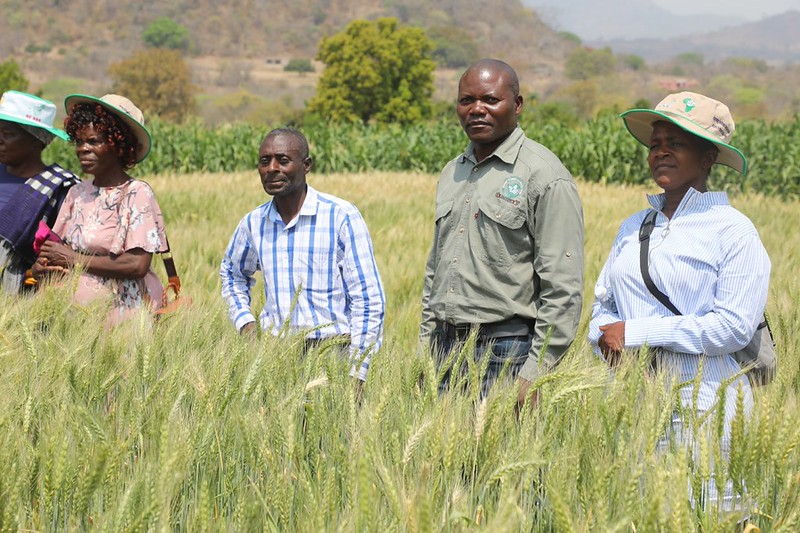
Farmers will get to walk through demonstrations covering everything from improved varieties and fertiliser management to weed and pest control, water-use efficiency, seed production, and climate-smart production techniques — then take their questions straight to the researchers and technical specialists standing beside the crop.
Dr Dumisani Kutywayo, Chief Director of DRESS, called the collaboration between the ministry, the African Development Bank’s Feed Africa programme and the TAAT Wheat Compact a credible example of long-standing commitment to transforming Africa’s food systems, crediting TAAT’s partnership with national research institutions for advances like heat-tolerant wheat varieties capable of pushing production into warmer growing zones.
“The National TAAT Wheat Field Day will bring these innovations into the field, giving farmers, researchers, seed companies, input suppliers, processors and other wheat value-chain stakeholders an opportunity to see, compare and evaluate wheat varieties that can contribute to increased productivity, reduced reliance on imports and strengthened national food security,” Dr Kutywayo said.
Farmers Teaching Farmers
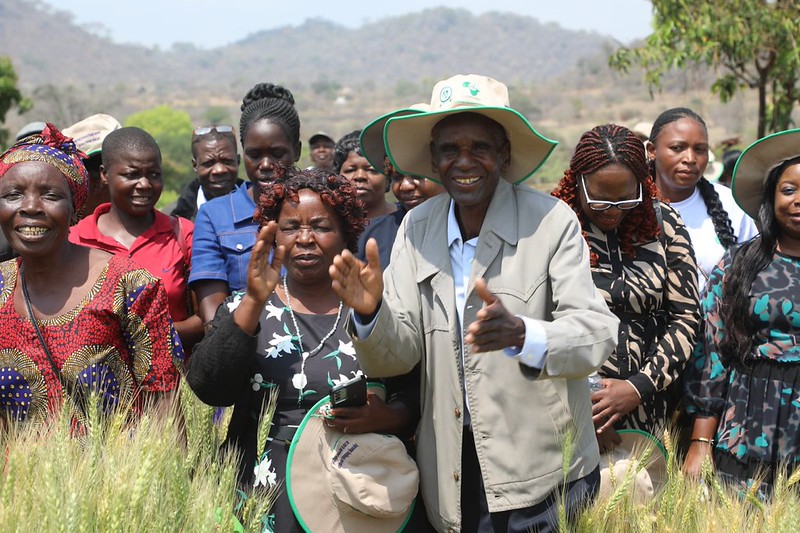
What sets these field days apart isn’t just the technology on show — it’s who’s doing the talking. According to Dr Wuletaw Tadesse Degu, the TAAT Wheat Compact Leader, “Beyond technology demonstration, the field days will place practical learning and farmer-to-farmer knowledge exchange at the centre of the process.”
That means TAAT lead farmers and established wheat producers will take the floor alongside the scientists — sharing not just successes but the real challenges of adopting new technologies, while other farmers get the chance to push back, ask hard questions, and weigh in on what’s actually working in the field.
Women and youth are receiving particular attention in the initiative, with an eye toward drawing them further into wheat production, seed multiplication, and the agribusiness and value-addition opportunities emerging around the crop.
A Calendar Built for the Whole Country
The rollout is deliberately spread across Zimbabwe’s wheat-growing map: the first field day lands on 10 September 2026 at the Rupike Seed Production and Value Addition Innovation Platform in Masvingo, followed by Nyamubarawanda in Nyanga on 17 September, Jombe in Mutasa on 18 September, DRESS office in Harare on 30 September, and Hermann Gmeiner High School in Bindura on 24 October 2026.
Taken together, the events are designed to do more than showcase technology — they’re meant to strengthen the entire web of relationships that makes a wheat value chain work, linking farmers, researchers, extension officers, seed producers, agro-dealers and millers more tightly together, while feeding lessons learned back into future scaling efforts. As Zimbabwe pushes for higher wheat productivity against a backdrop of shifting climate conditions, these Innovation Platform field days offer something research alone rarely can: a direct line between innovation and the people expected to put it to work — connecting knowledge with action, and technology with opportunity, one field at a time.
Recent Stories
Related Stories
- Africa’s Wheat Revolution Gets a Regional Push as Experts Gather in Addis Ababa
- Zimbabwe: How TAAT is unlocking new opportunities for women and youth through value addition
- TAAT fosters Regional Approach to Innovative Wheat Seed Enterprise Development
- Zimbabwe: TAAT reinforces Wheat Seed Production and Inspection capacity
- TAAT Demonstrates that Food Systems Transformation and Sustainability Can Go Hand in Hand