 IITA – Bénin Campus, 08 BP 0932 Tri Postal, Cotonou – République du Bénin
 @Taat_Africa
 TAAT Africa
 @taatafrica
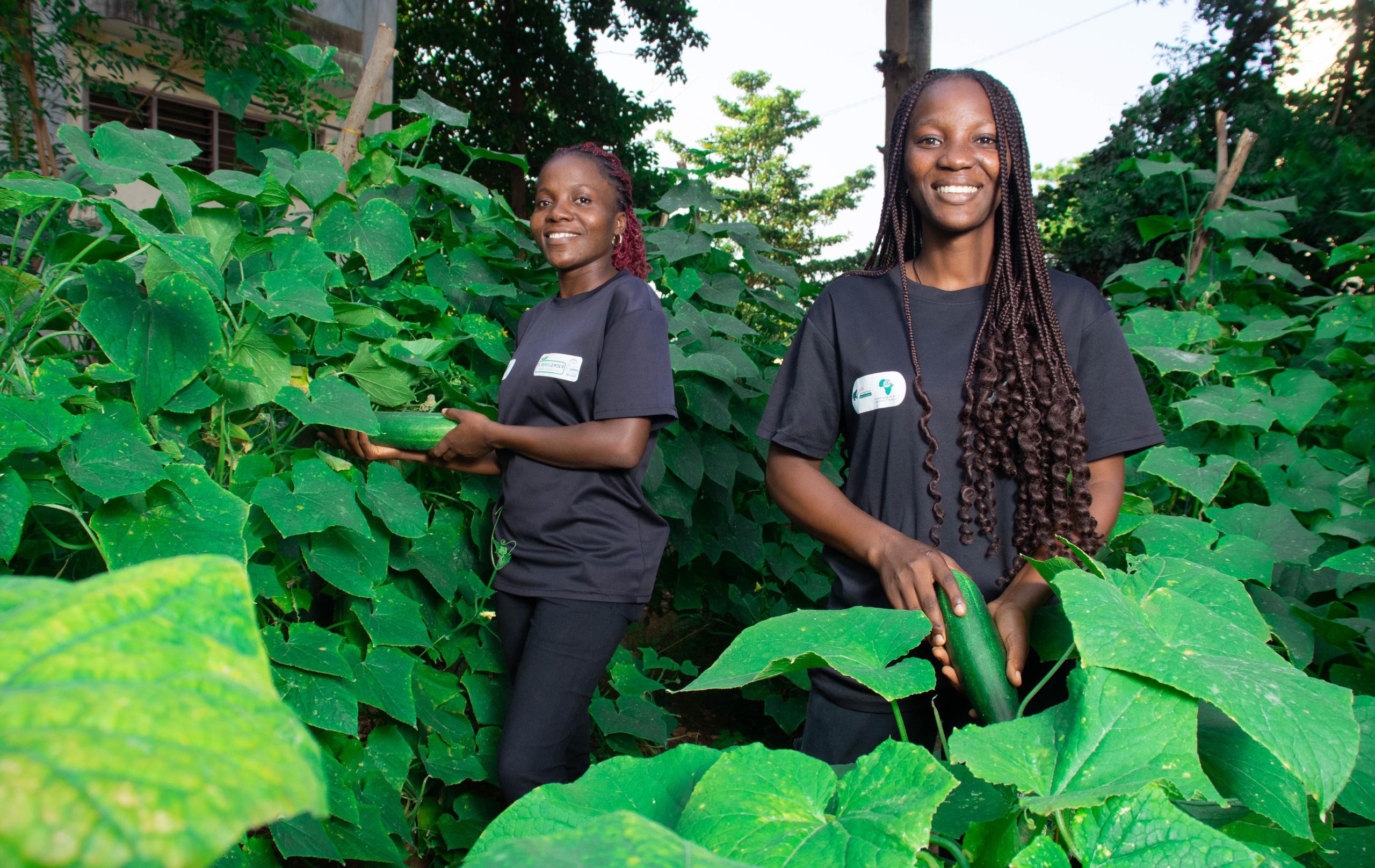
From Hoe to Hustle: TAAT underlines why Africa’s Farms Need a Youth Rebrand
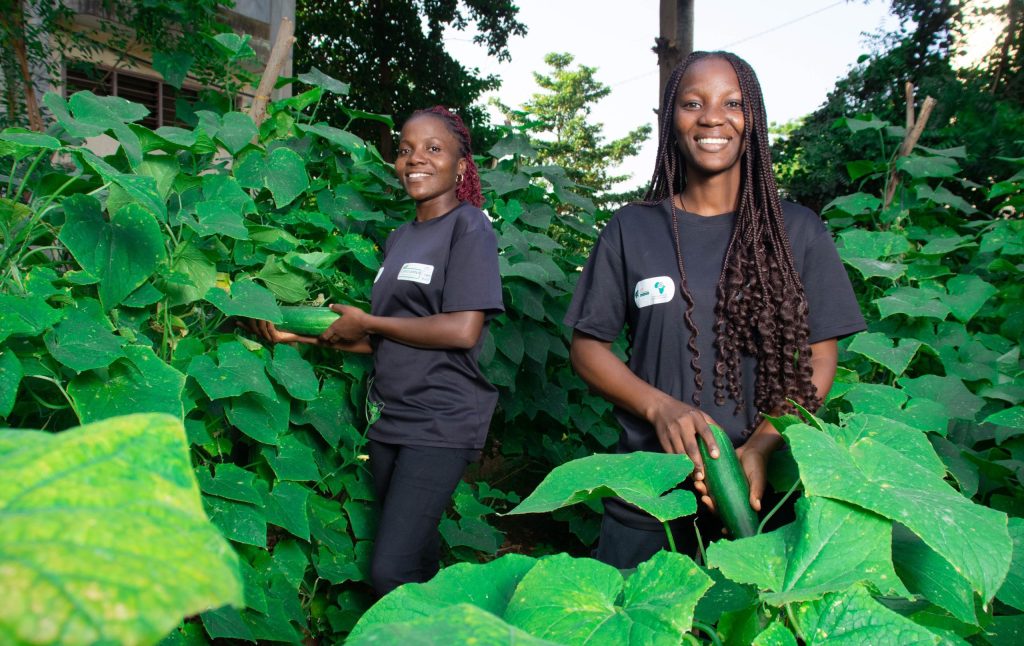
Africa’s farms need a rebrand — And young people are the ones to do it.
Ask a teenager to picture a career in agriculture, and the image that comes to mind is rarely a business. It’s usually a hoe, a field, and hard physical labour: not code, not capital, not a company.
That gap between perception and reality, argues the Technologies for African Agricultural Transformation (TAAT) Programme, may be the single biggest obstacle standing between Africa’s youth and its agricultural future.
The case was laid out in a keynote at the IFE Crop Day Conference 5.0, hosted by the Nigerian Association of Crop Production and Protection Students at Obafemi Awolowo University, Osun State, Nigeria. Delivered by Mr Idowu O. Osun of the TAAT Youth in Agribusiness Compact, the presentation carried a title that doubled as a mission statement: “Sowing Innovation to Reap Growth.”
Its core argument was simple but pointed: Africa doesn’t just need better farming technology. It needs an entire generation to stop seeing agriculture as something you do and start seeing it as something you build.
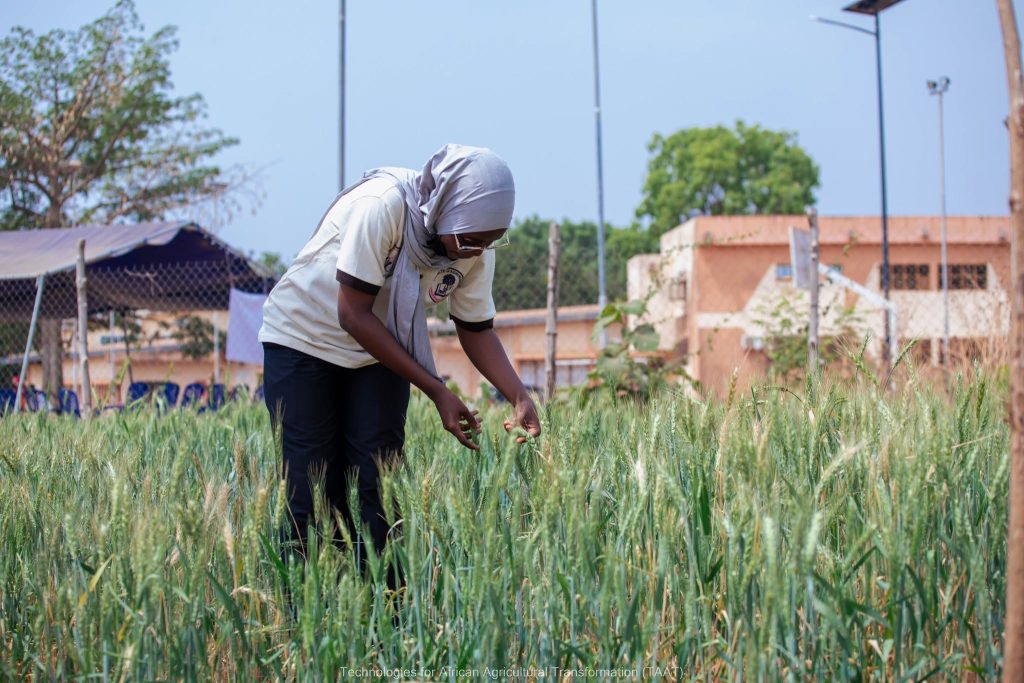
Beyond the Field
The old picture of agriculture (plant, tend, harvest) is rapidly being overtaken by a much bigger one. Improved seed varieties, mechanisation, digital platforms, processing and logistics, new financing models: innovation is now touching every link of the agricultural value chain, turning what was once subsistence work into an economic ecosystem with room for engineers, entrepreneurs, and executives alongside farmers.
That shift matters because Africa’s agricultural sector isn’t short on problems: low productivity, climate shocks, thin access to finance, crippling post-harvest losses, weak mechanisation, tight market access, and rising costs. But where there are problems at scale, there’s also opportunity at scale, and the presentation made the case that innovation is the tool that can unlock it.
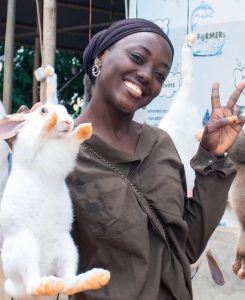

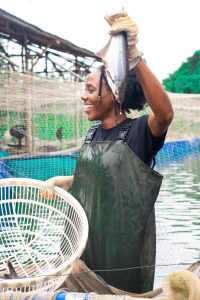
Why Youth Are the Missing Piece
For young Africans, the pitch went, this reframing opens doors far beyond the farm gate: into agritech, food processing, logistics, e-commerce, renewable energy, and agribusiness consulting. Their advantages are already built in: digital fluency, adaptability, and an entrepreneurial instinct suited to exactly the kind of value chain agriculture is becoming.
But instinct alone doesn’t build a business. What’s missing, the presentation stressed, is access to technology, knowledge, mentorship, and the support systems that turn a good idea into a viable enterprise. That’s the gap TAAT’s Youth in Agribusiness Compact, known as ENABLE-TAAT, is closing: pairing young people with proven agricultural technologies, business incubation, mentorship, and connections to finance and markets.
From Innovation to Enterprise
The message translated the abstract into the concrete. Better crop varieties raise yields. Mechanisation cuts costs. Processing and value addition open new revenue lines. Stronger market access and private-sector participation create room for entirely new businesses. Climate-smart technology builds resilience into everything. Each is a technology story — but also, potentially, a business plan.
Delivering that message to a room full of students and aspiring agripreneurs was itself deliberate: a generation already fluent in technology and entrepreneurship doesn’t need convincing that innovation matters — it needs to be shown where agriculture fits into that world, not apart from it.
The Bigger Picture
TAAT itself (an African Development Bank initiative led by the International Institute of Tropical Agriculture, working with CGIAR centres, national research systems, governments and private-sector partners) exists to scale proven agricultural technologies across the continent, driving productivity, food security, farmers’ incomes, and climate resilience along the way.
But the tagline of Mr Osun’s presentation was that technology alone won’t transform African agriculture. Adoption will. And adoption depends on people (specifically, on whether the next generation sees a future for itself in the sector at all).
The shift being called for is threefold: from viewing agriculture as farming to seeing it as an interconnected economic system; from developing technologies to ensuring they’re actually adopted; and from spotting opportunities to actually equipping young people to build something from them.
Sow innovation today. Cultivate enterprise. Reap growth tomorrow — but only if the mindset changes first.
Recent Stories

Related Stories
- TAAT fosters Regional Approach to Innovative Wheat Seed Enterprise Development
- Comoros: TAAT targets Food Systems Resilience through Innovations and Entrepreneurship
- Kenya: TAAT holds ToT Workshop on Soybean Agronomy, Seed Production and Entrepreneurship
- TAAT to showcase climate-smart soybean opportunities at Kenya’s Agribusiness Trade Fair 2026
- Guinea-Bissau: How TAAT is Cultivating the Next Generation of Agribusiness Leaders